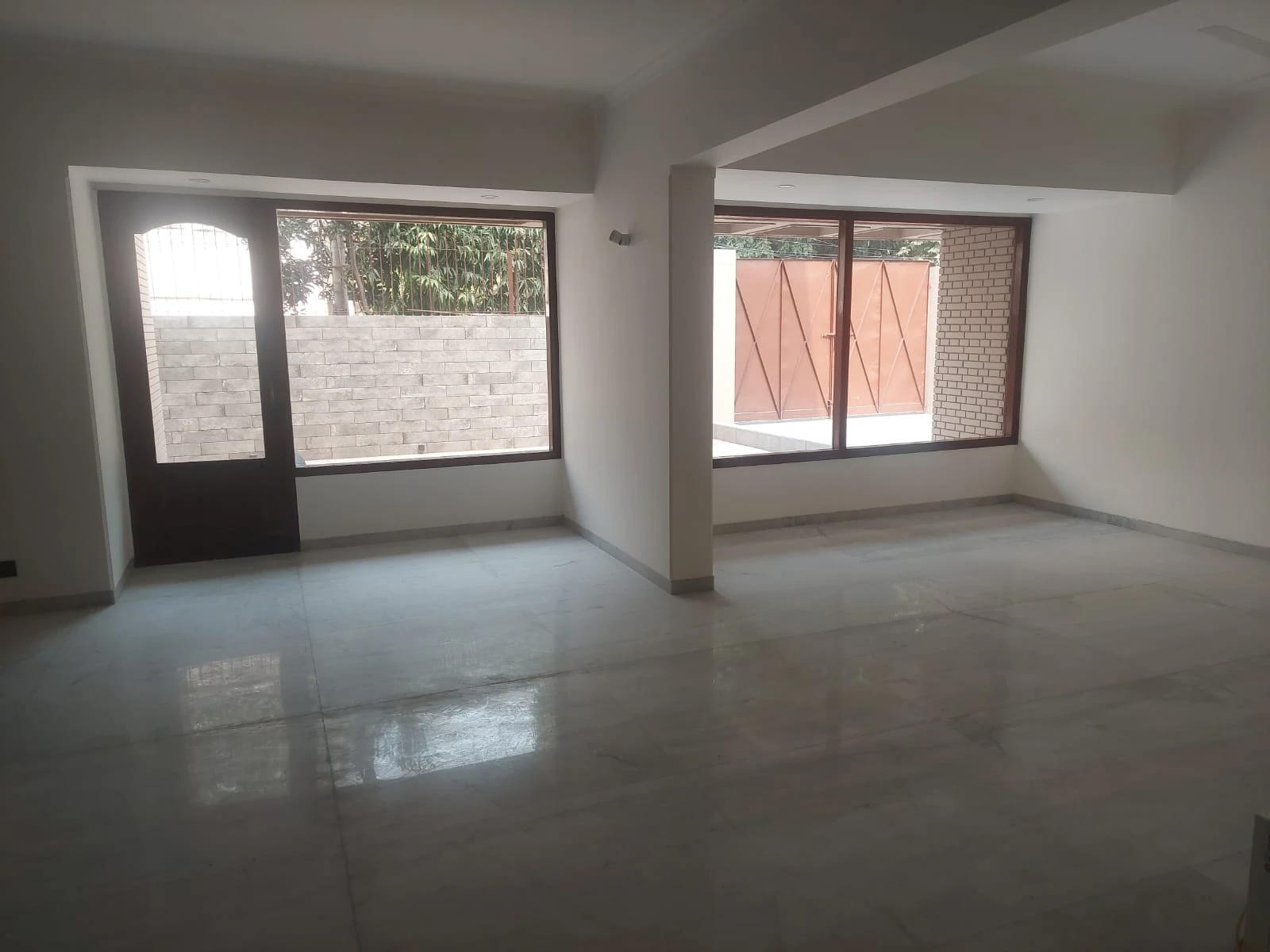
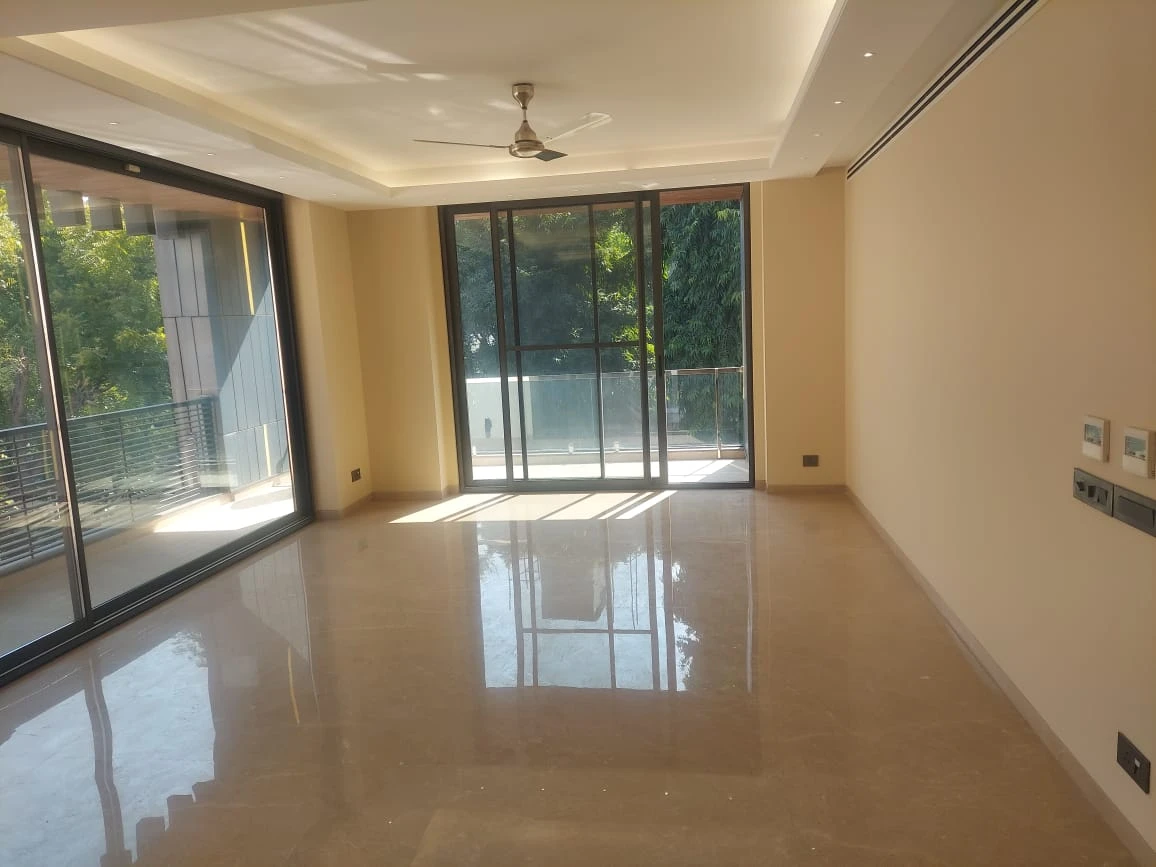
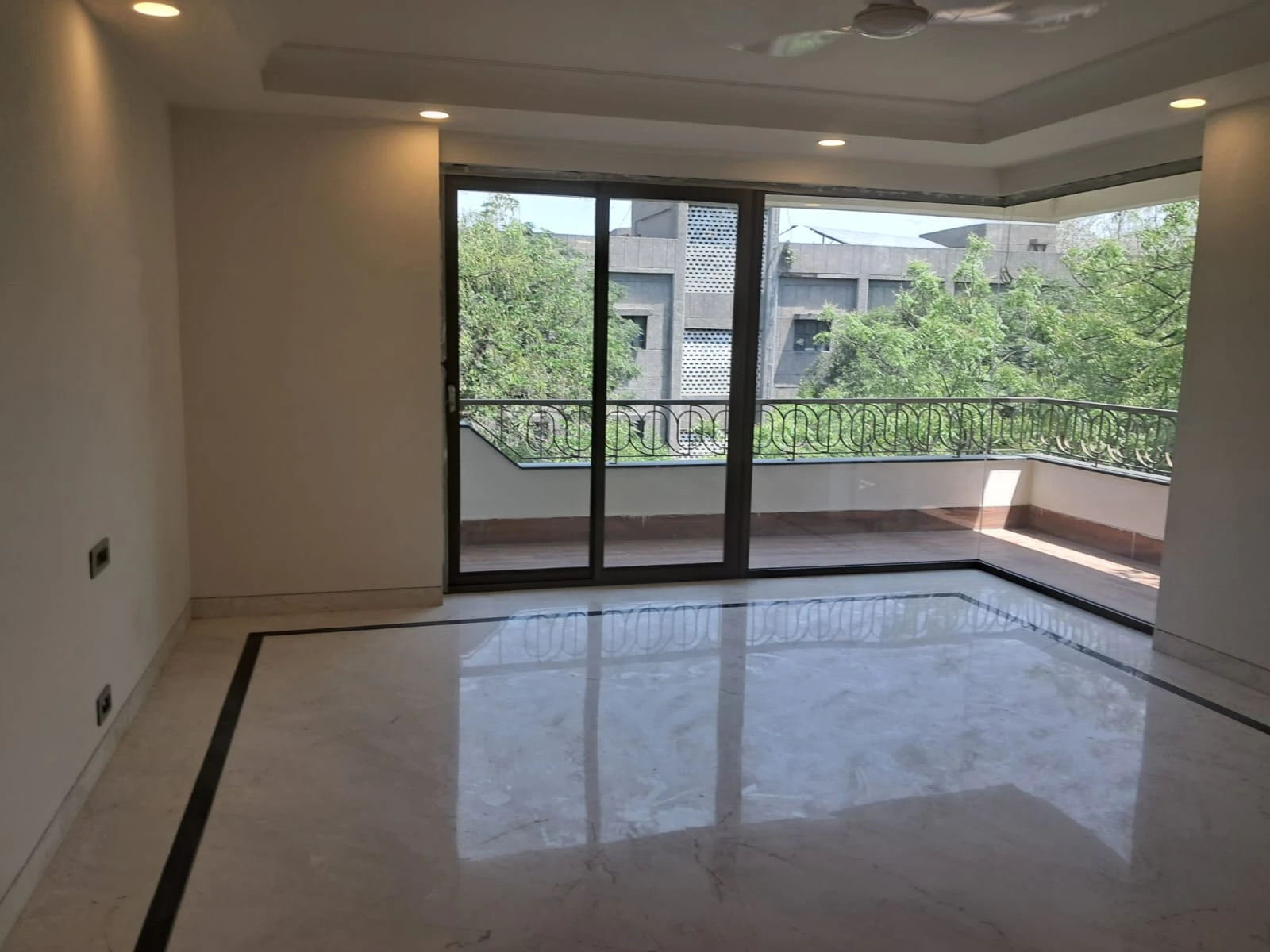
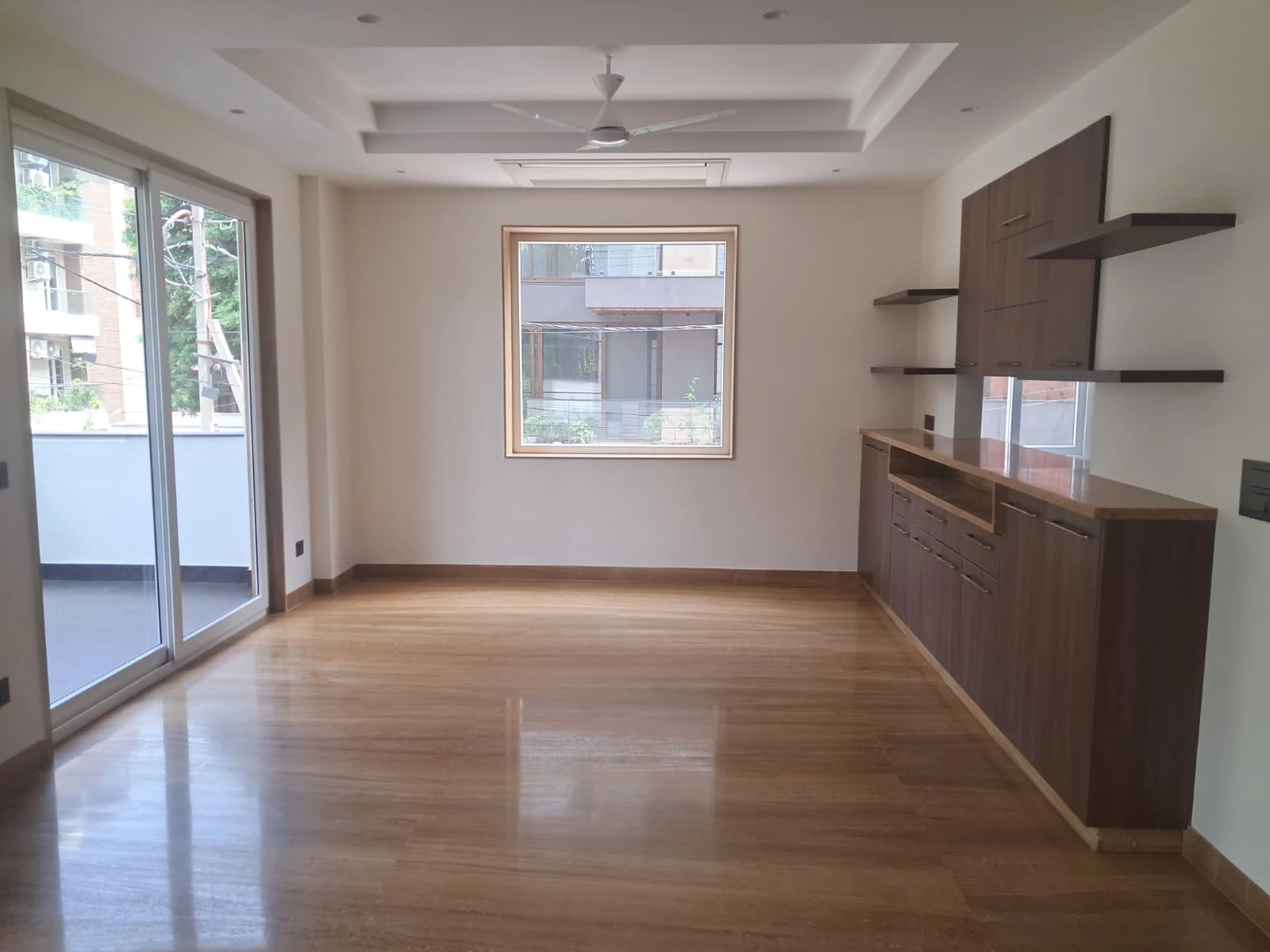
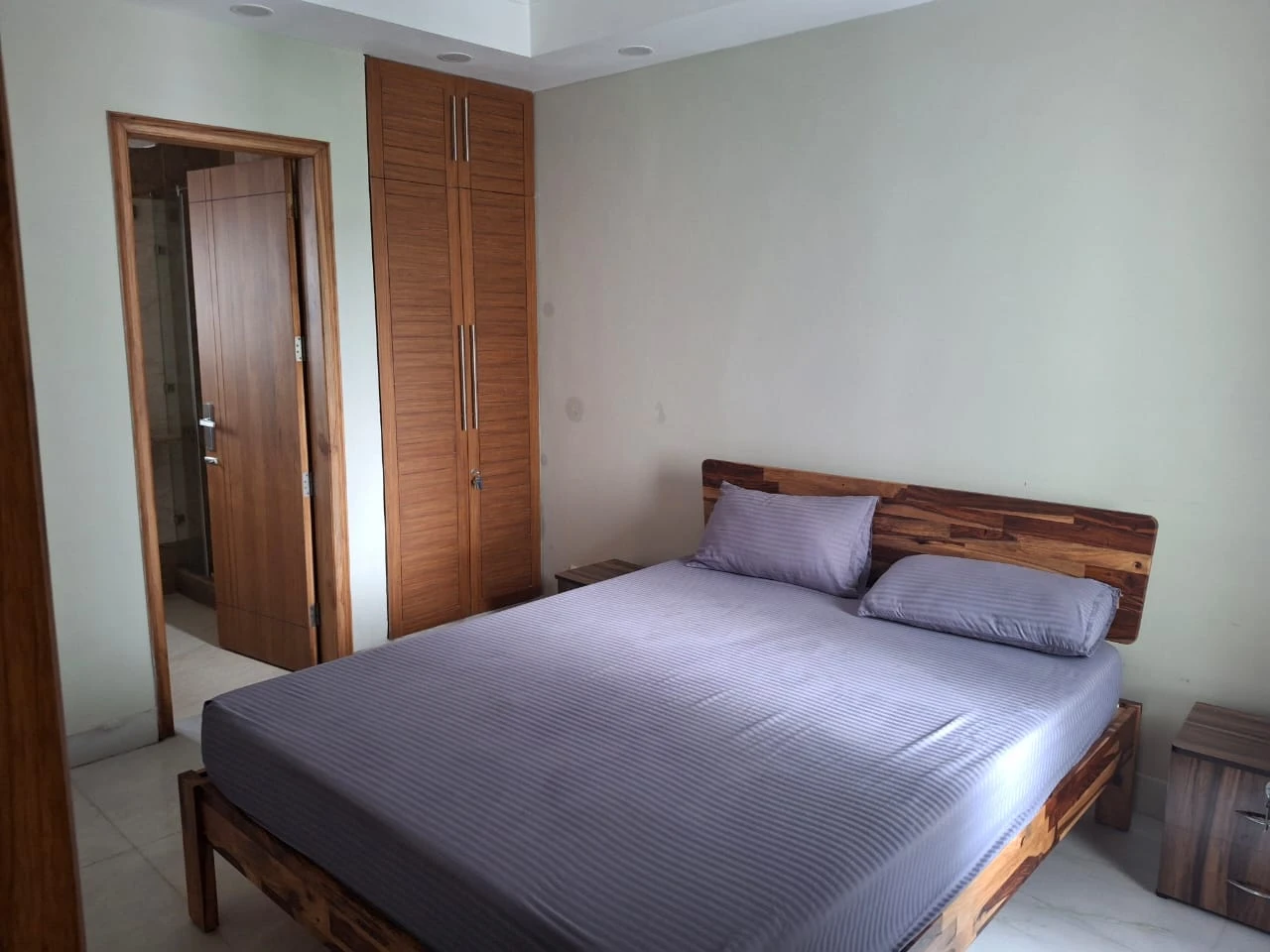
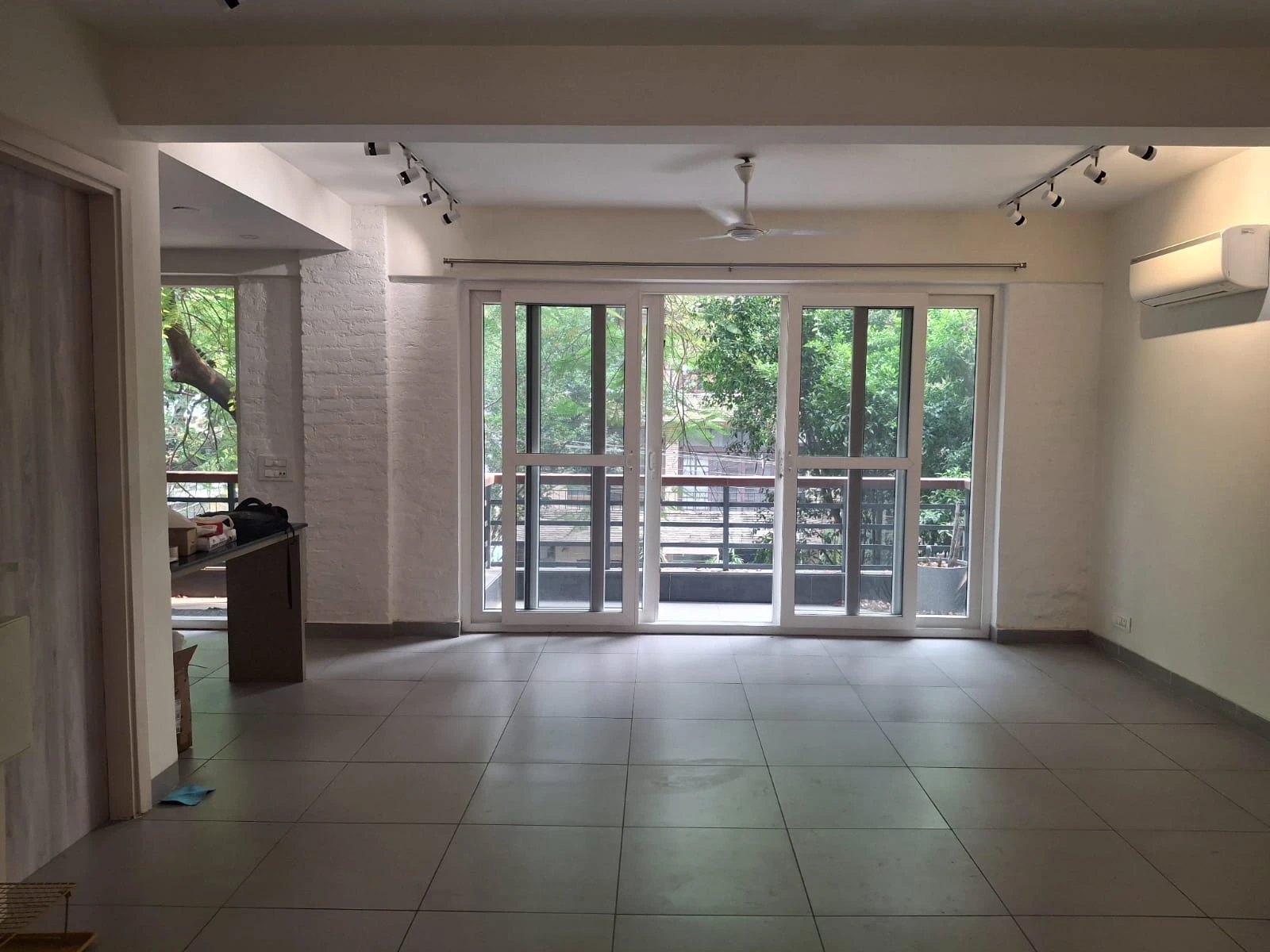
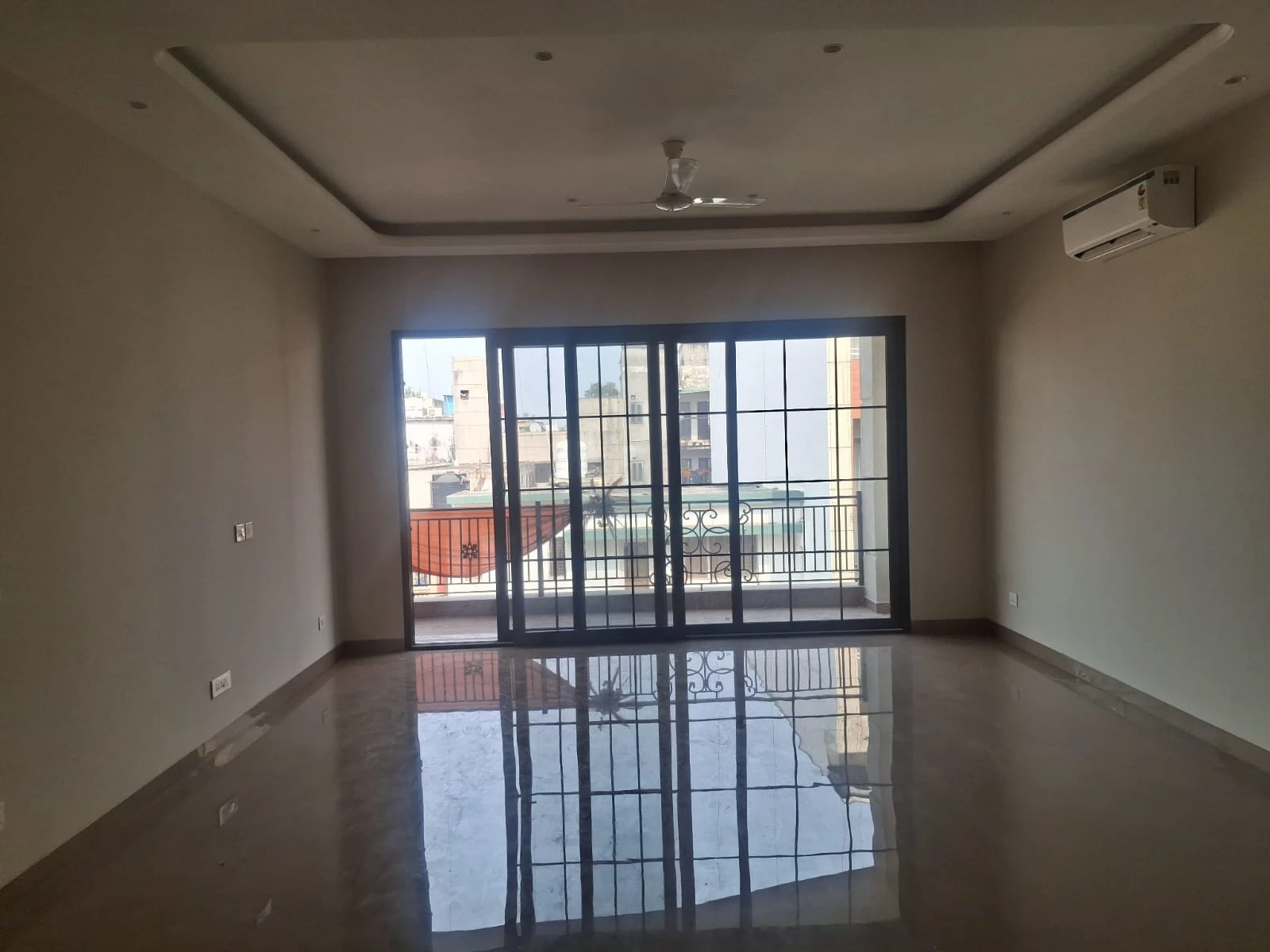
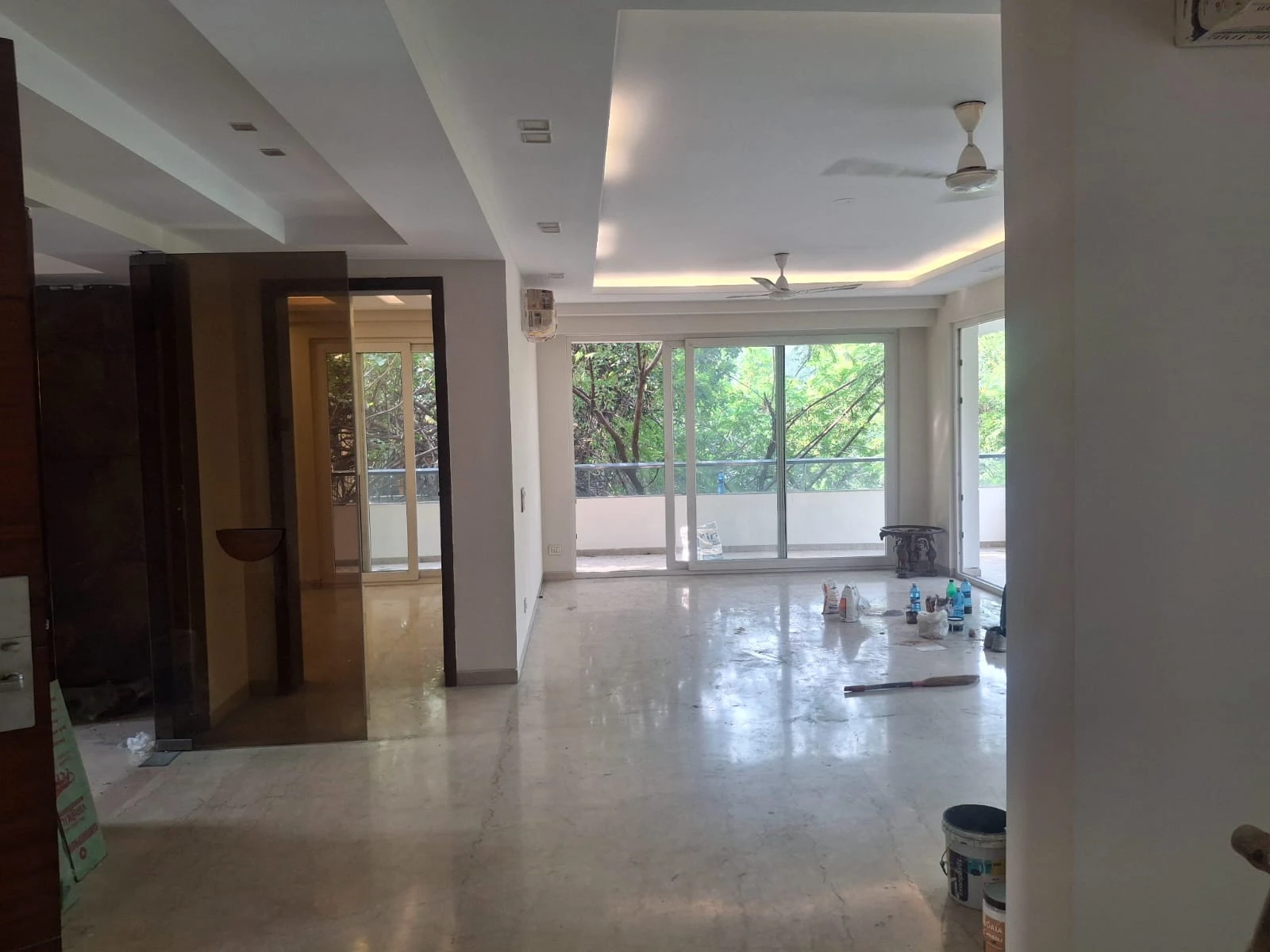
Property For Rent In Defence Colony Delhi
Property For Rent In Defence Colony Delhi: Prices, Locality And Best Options Finding the perfect property for rent in Defence Colony Delhi becomes easier when you know the locality, ren...
Read more...
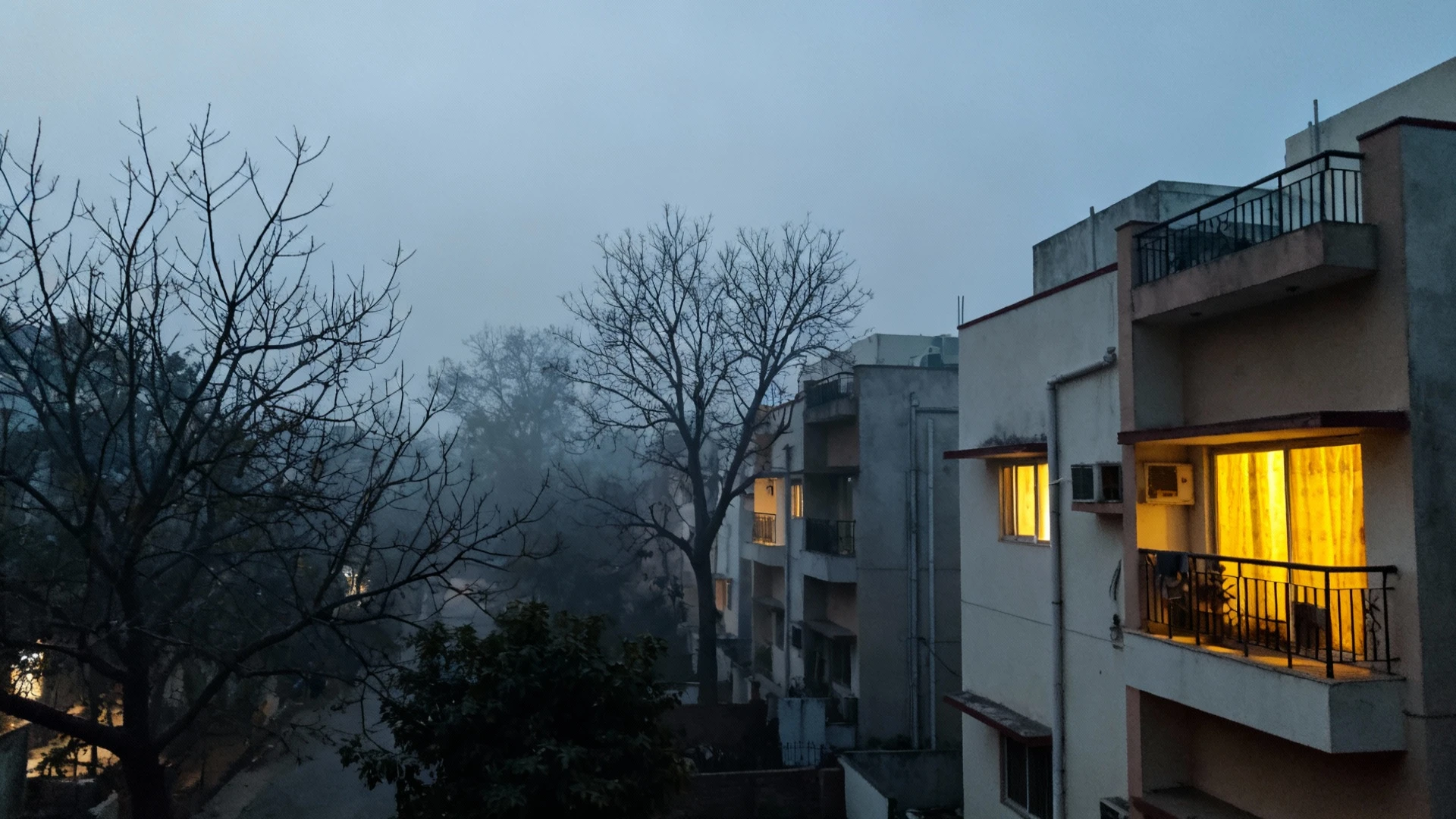
The capital city, Delhi undergoes a breathtaking transformation at the time when North Indian summer starts fading into a cool, golden autumn season. This place in winter has a rhythm of its own, when the air feels crisp, the sunlight is gentler, and evenings seem to invite you to slow down over a cozy stay in the comfort of home.
For those looking for luxury rental properties in South Delhi, specifically diplomats, foreign professionals, NRIs, expats, and elite families with sophisticated living, the winter months offer an entirely different perspective of the city.
The true quality of home is everything that matters for the residents of South Delhi.
A rental property that looks impressive on summer days is completely different when temperature drops. From the orientation of the living room, quality of windows, availability of heating, natural sunlight, flooring, furnishings, and even the atmosphere of the surrounding location suddenly become much more important.
This is why choosing a rental property for the Delhi winter is about more than finding a beautiful address. In this blog, we will discuss all the factors that can help you find the right home that can transform your winter experience from simply comfortable to genuinely exceptional.
As the weather cools down, the way you stay at your home naturally shifts from outdoor spaces to cozy indoor areas. For international professionals and expats, this change highlights how important a warm and well-designed residence is in the chilling months of South Delhi.
Look at the factors below to understand how does Delhi Winters change your way of living as residents of South Delhi:
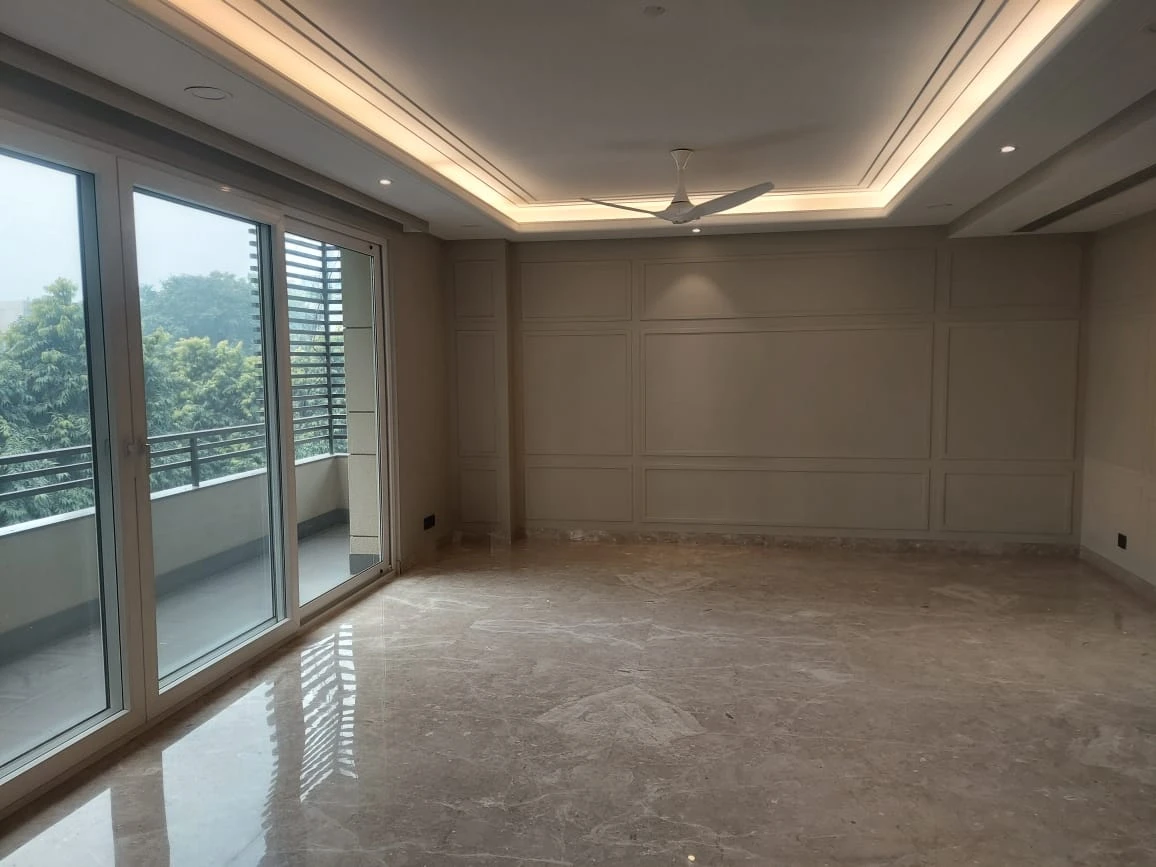
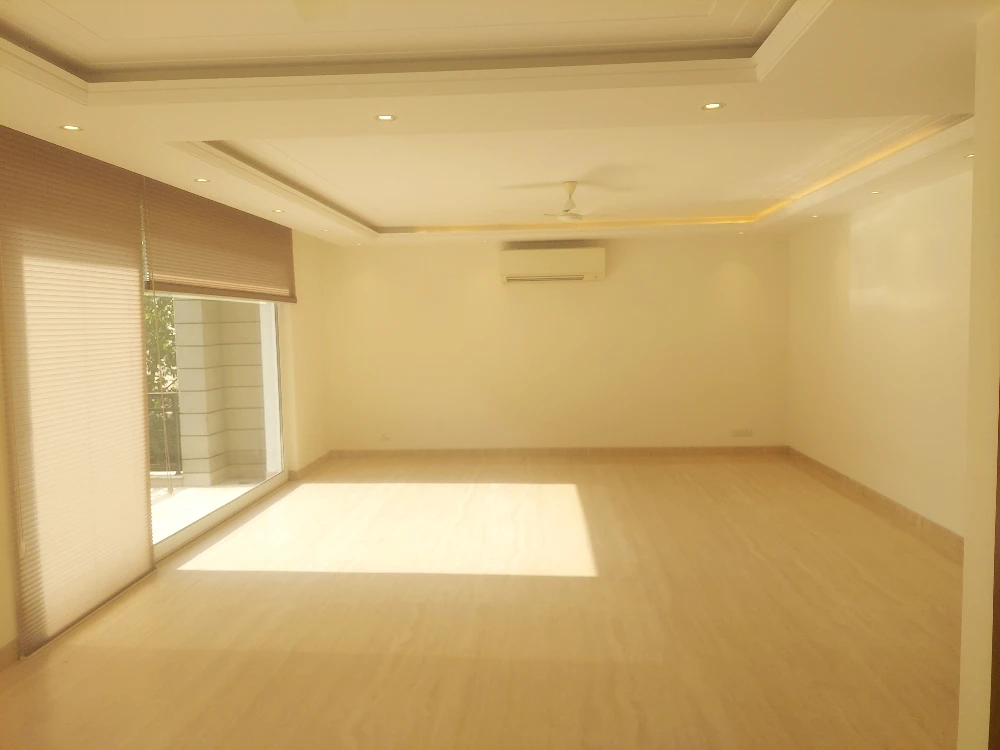
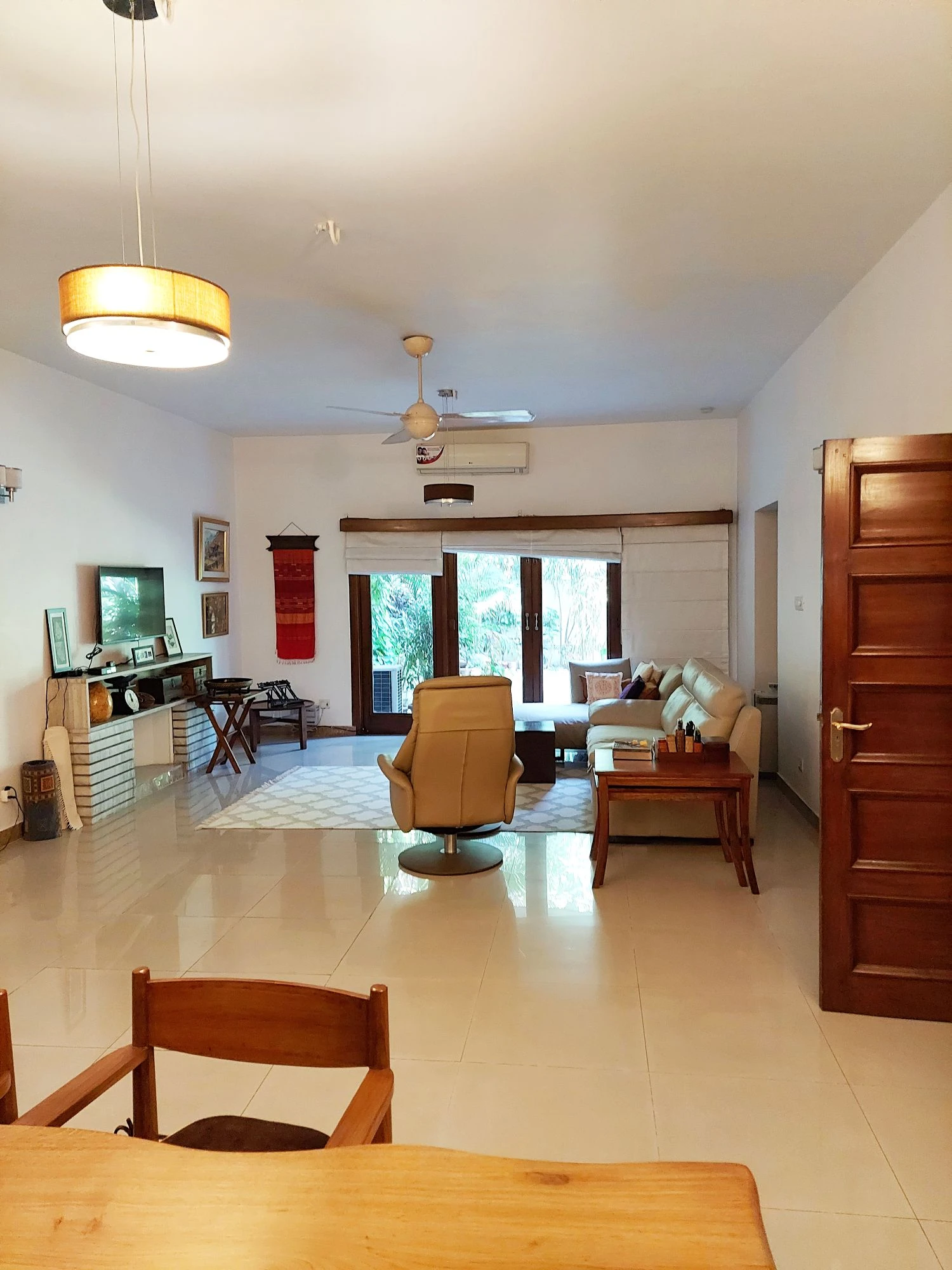
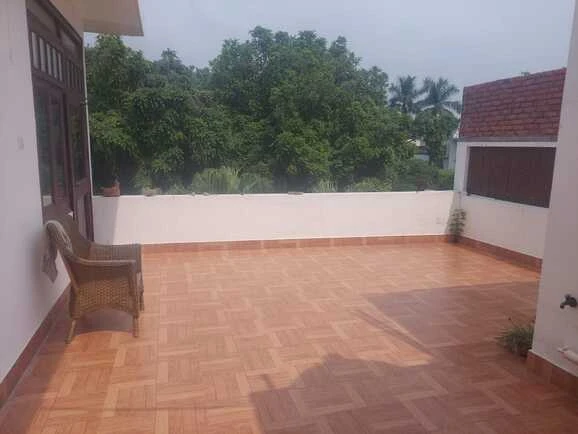
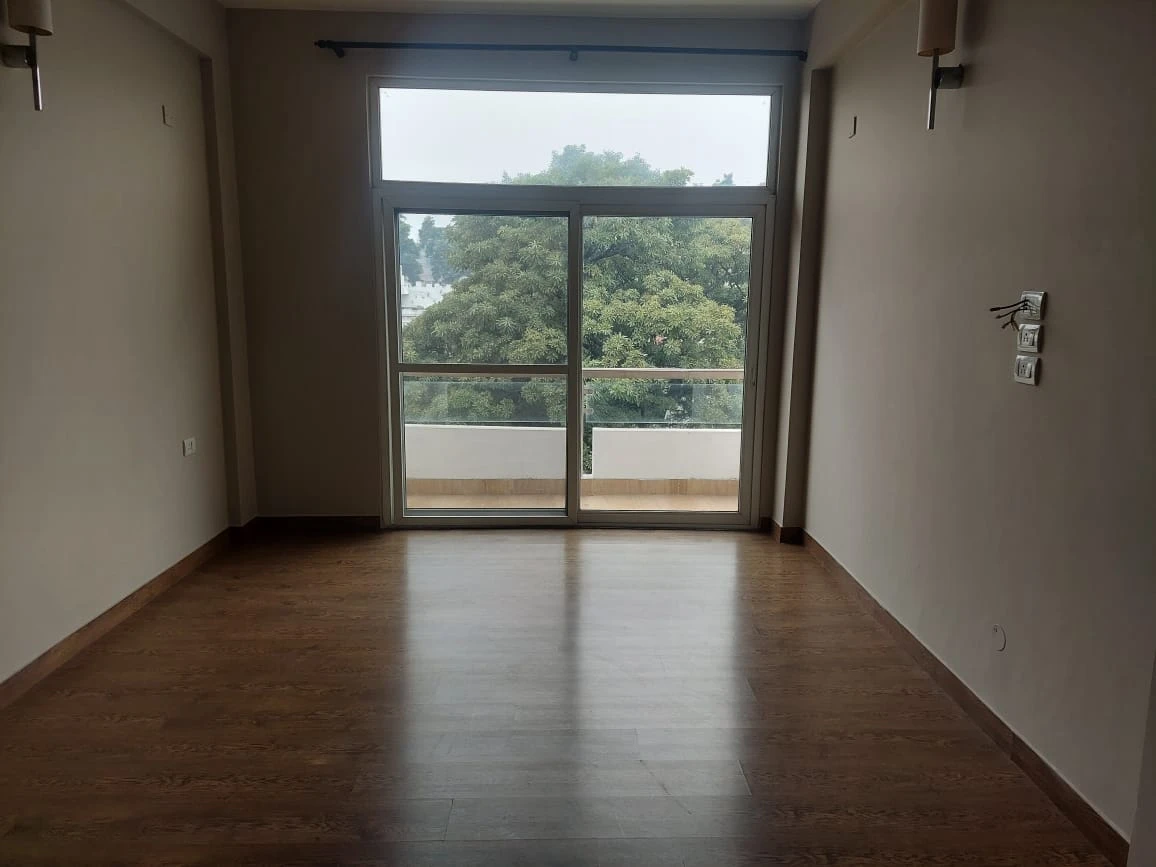
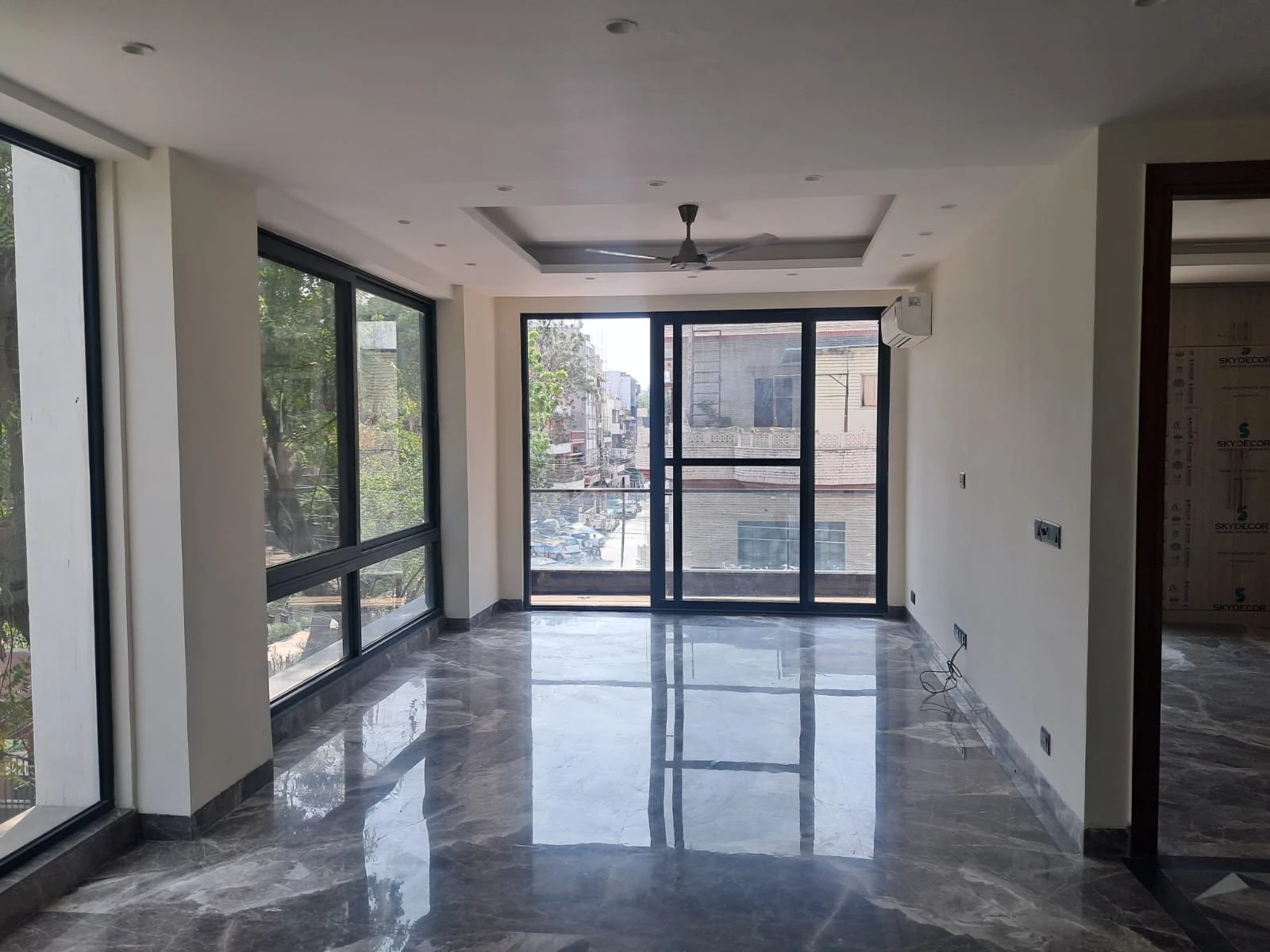
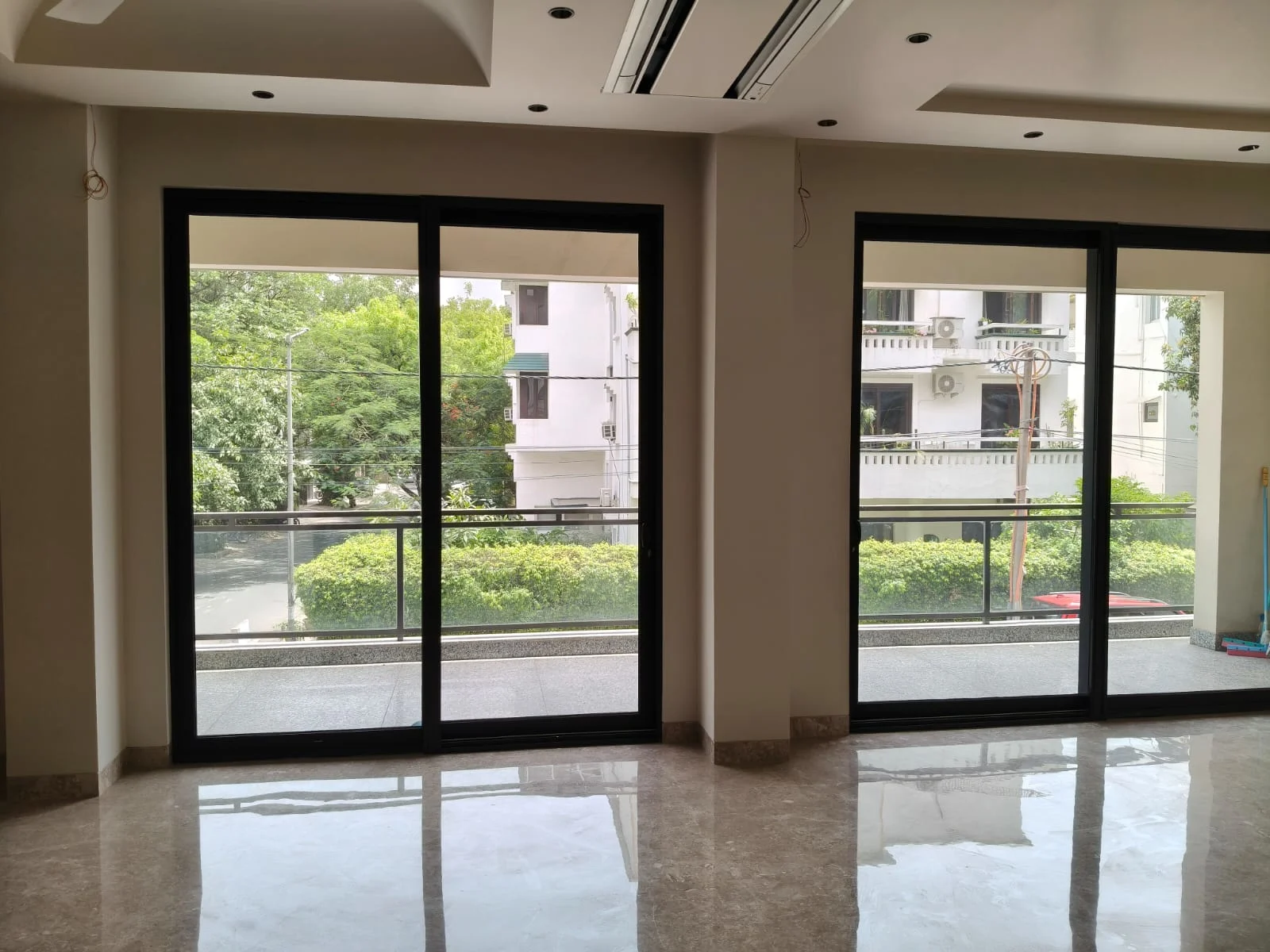
South-facing living rooms, private balconies, and sun-drenched terraces become the most desirable corners of the home during Delhi’s winter months.
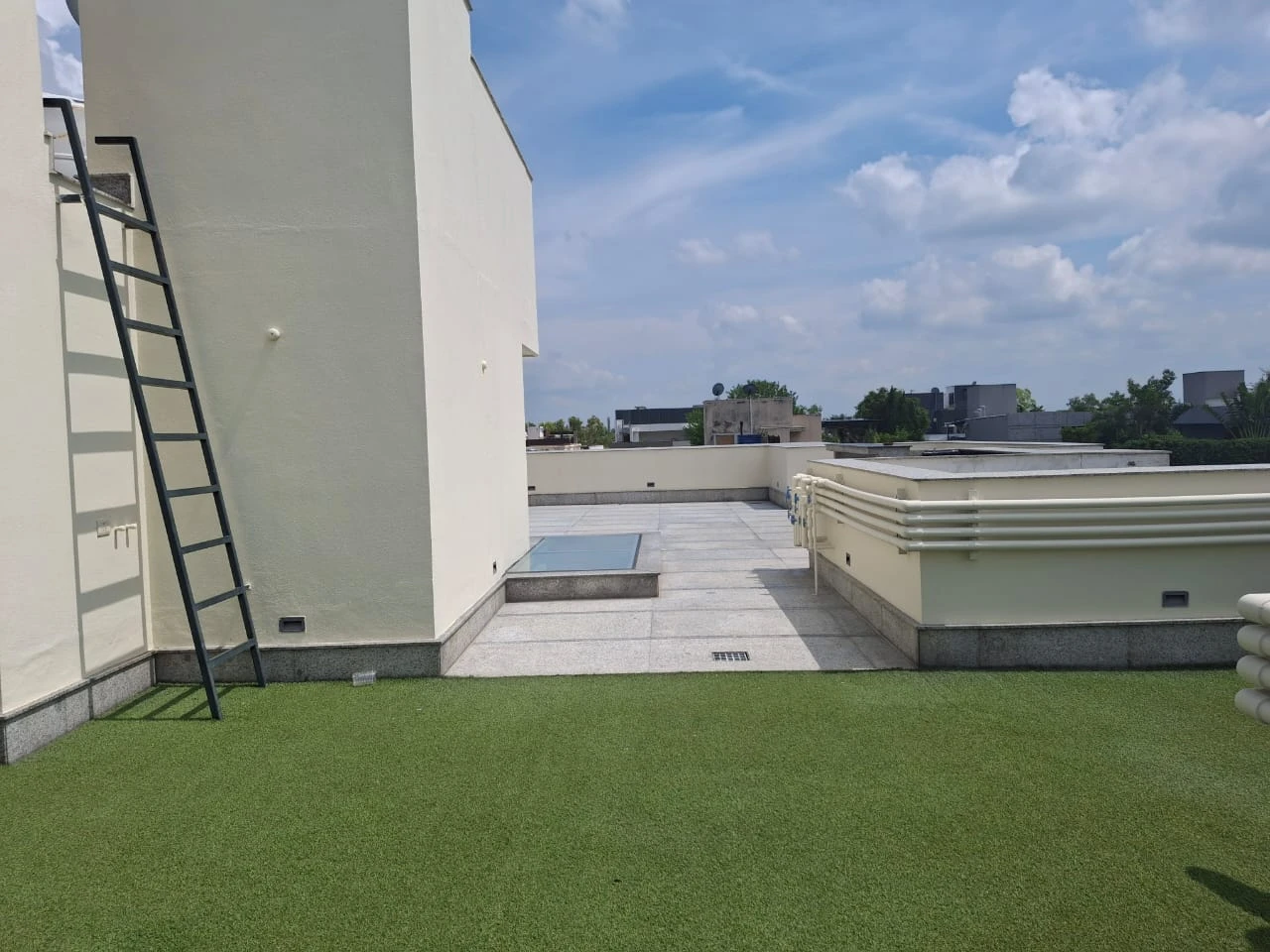
Pleasant afternoons make spacious balconies, landscaped gardens, terraces, and verandahs an extension of your living space.
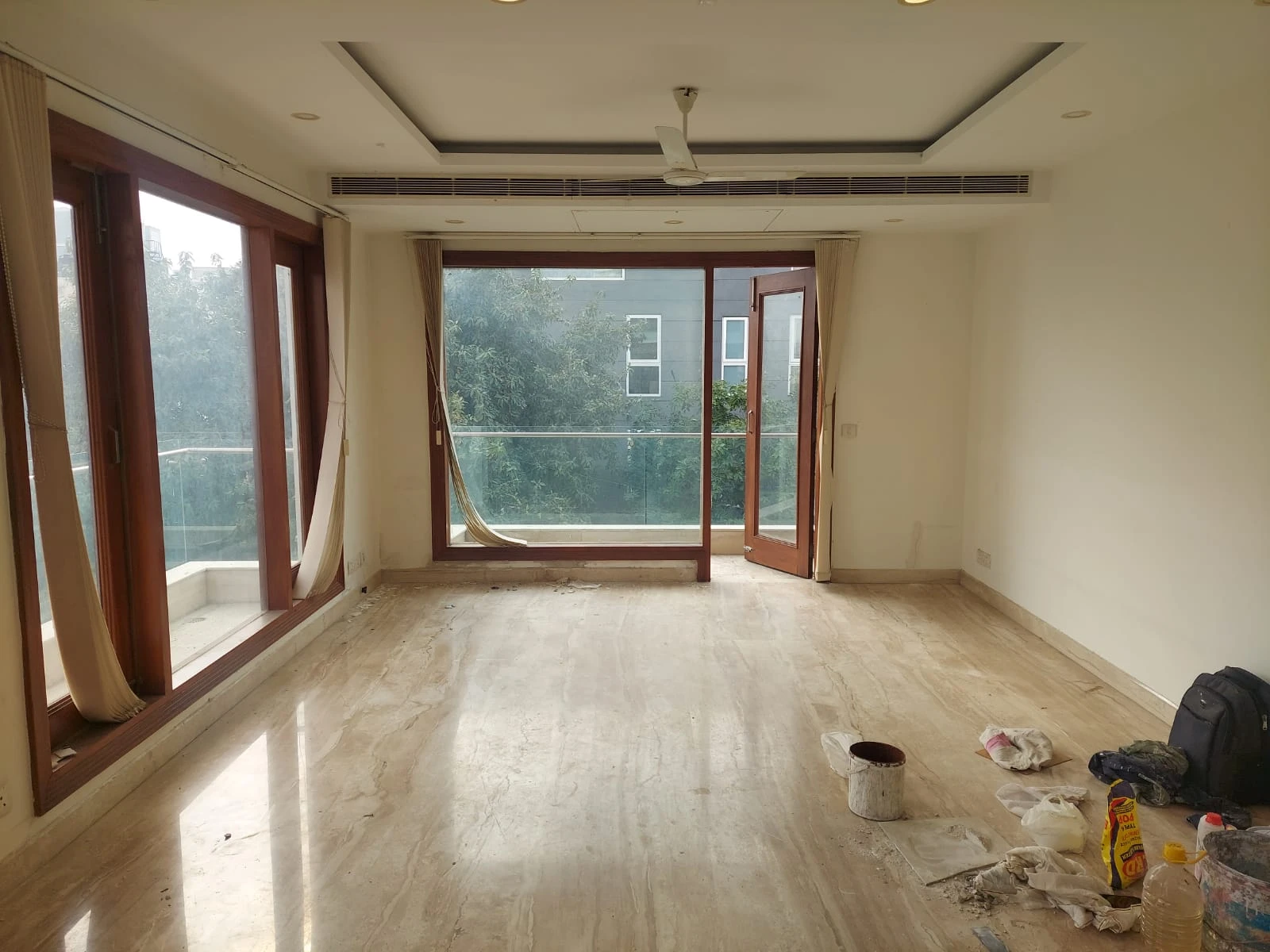
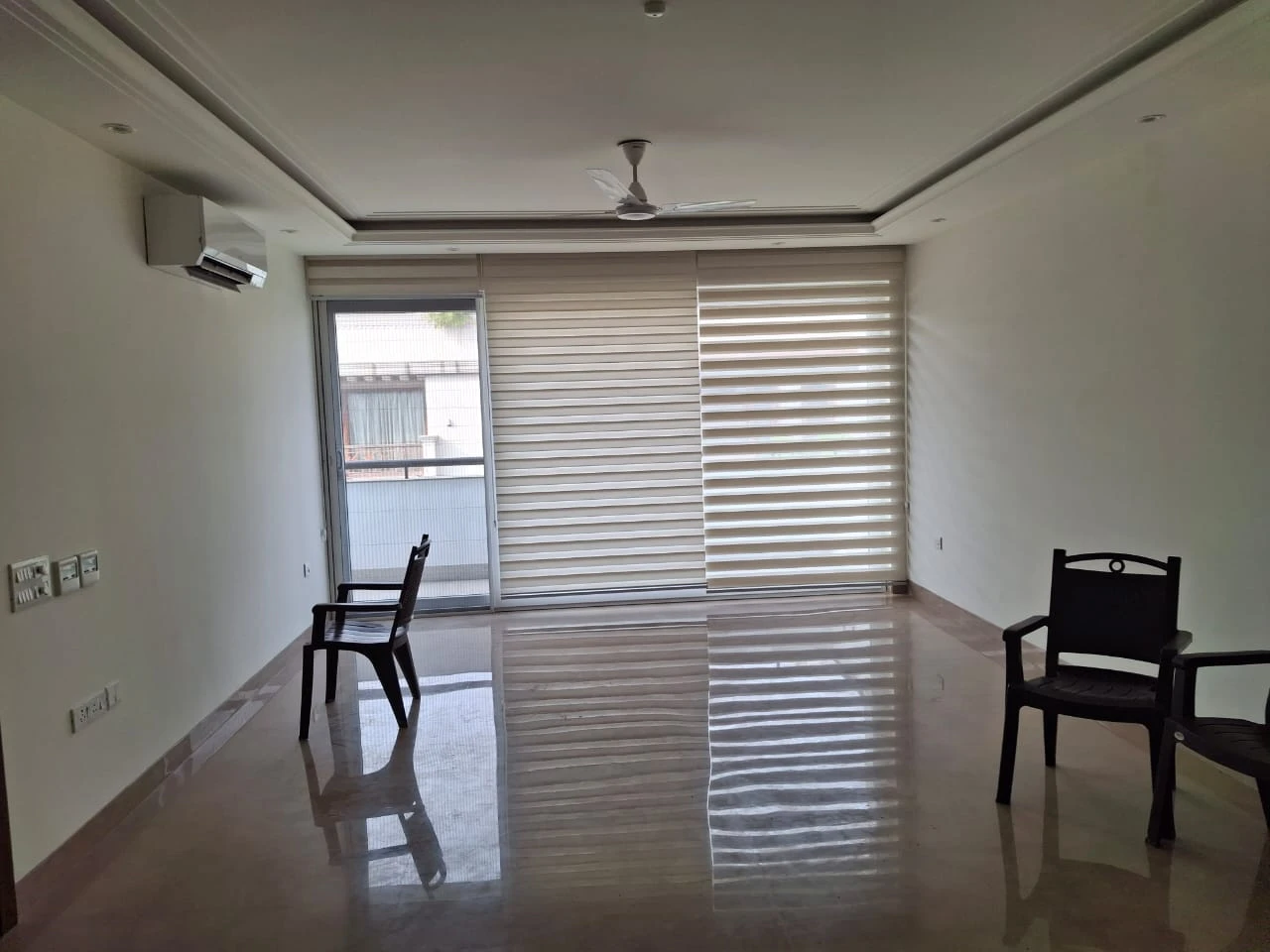
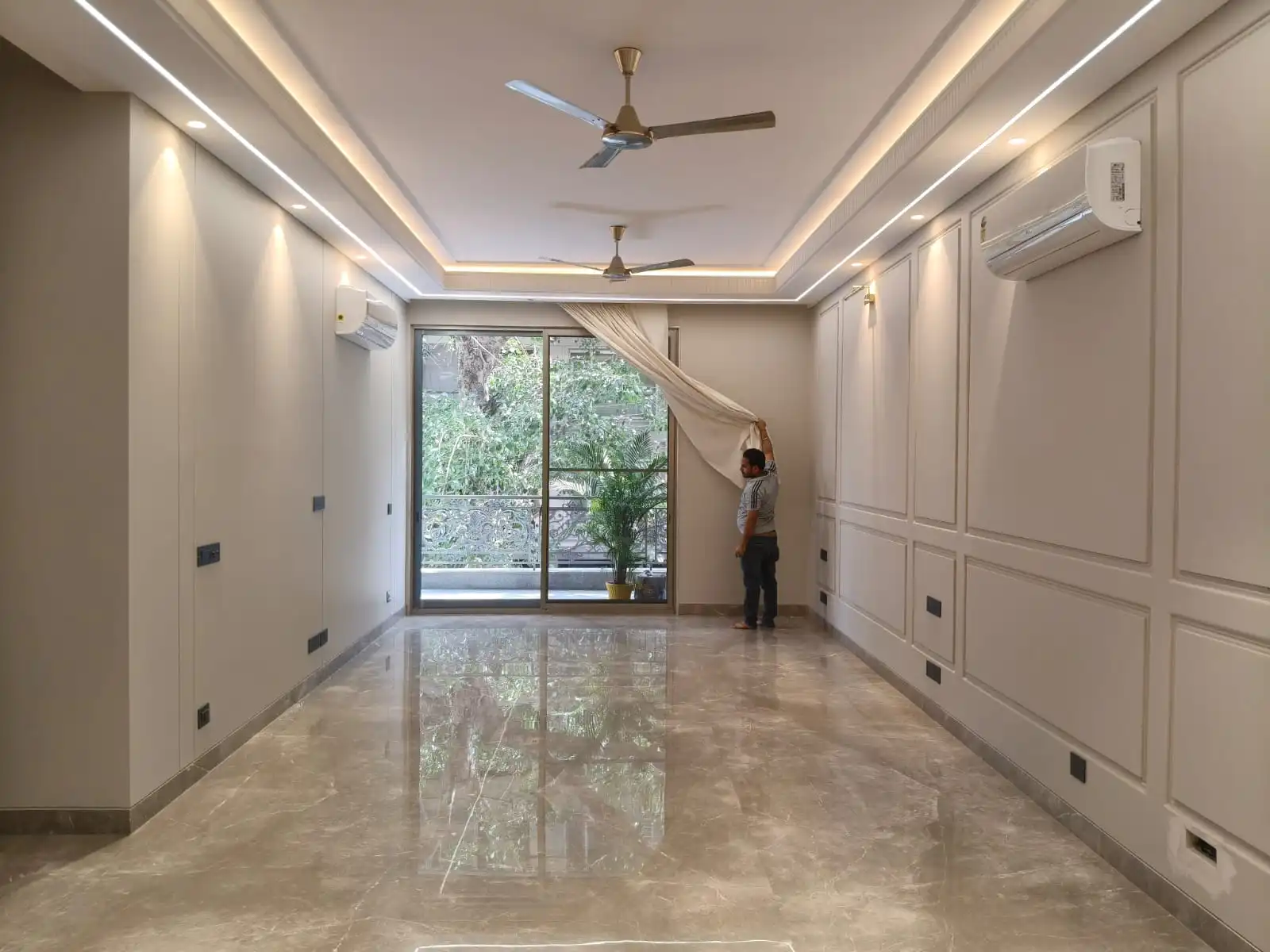
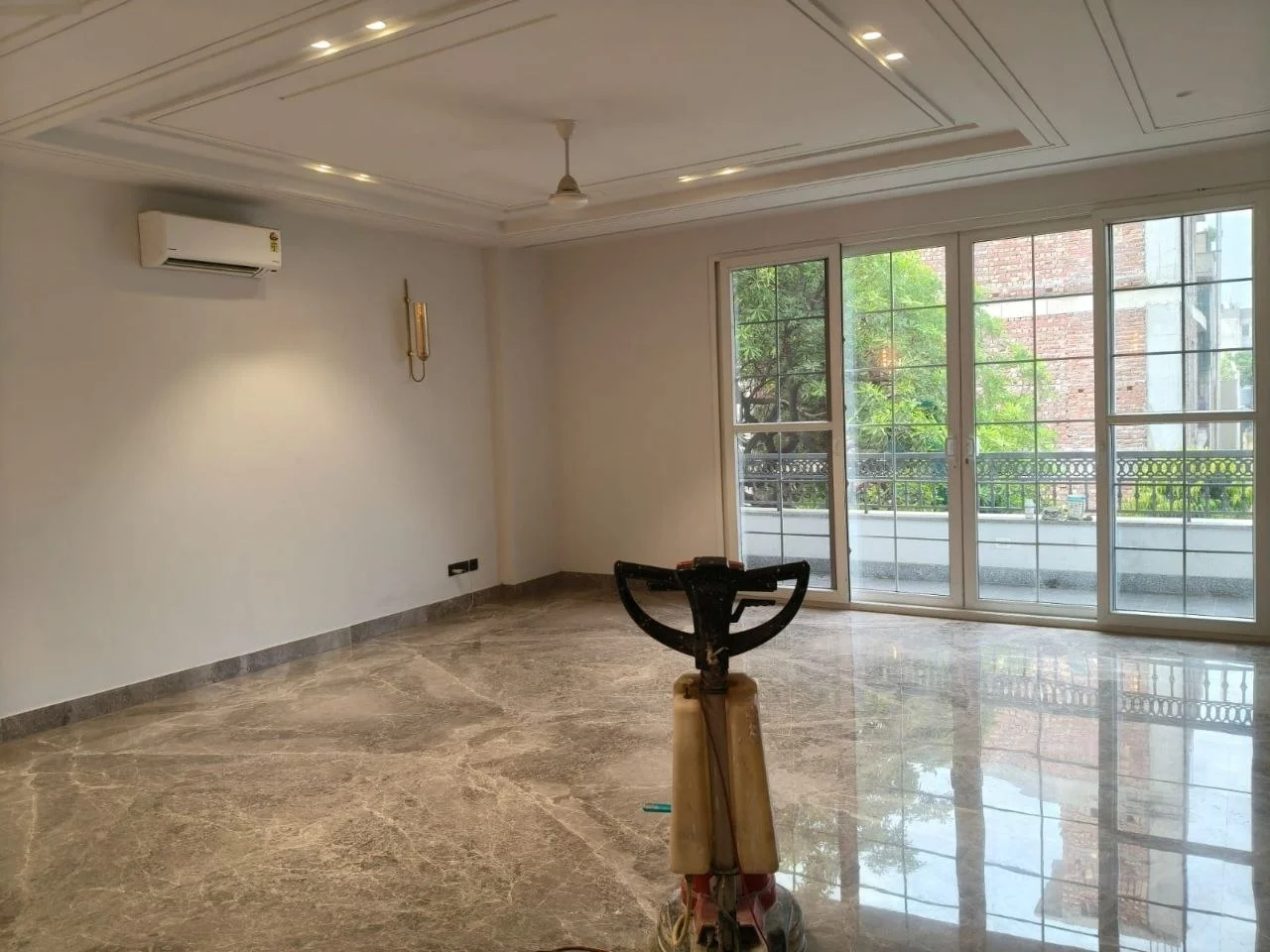
Winter in Delhi naturally brings people together. Large living rooms, elegant dining areas, and entertaining spaces become perfect for intimate gatherings and long evenings with family and friends.
From peaceful tree-lined avenues to easy access to South Delhi’s cafés, restaurants, clubs, and cultural hubs, the neighbourhood becomes part of the luxury living experience.
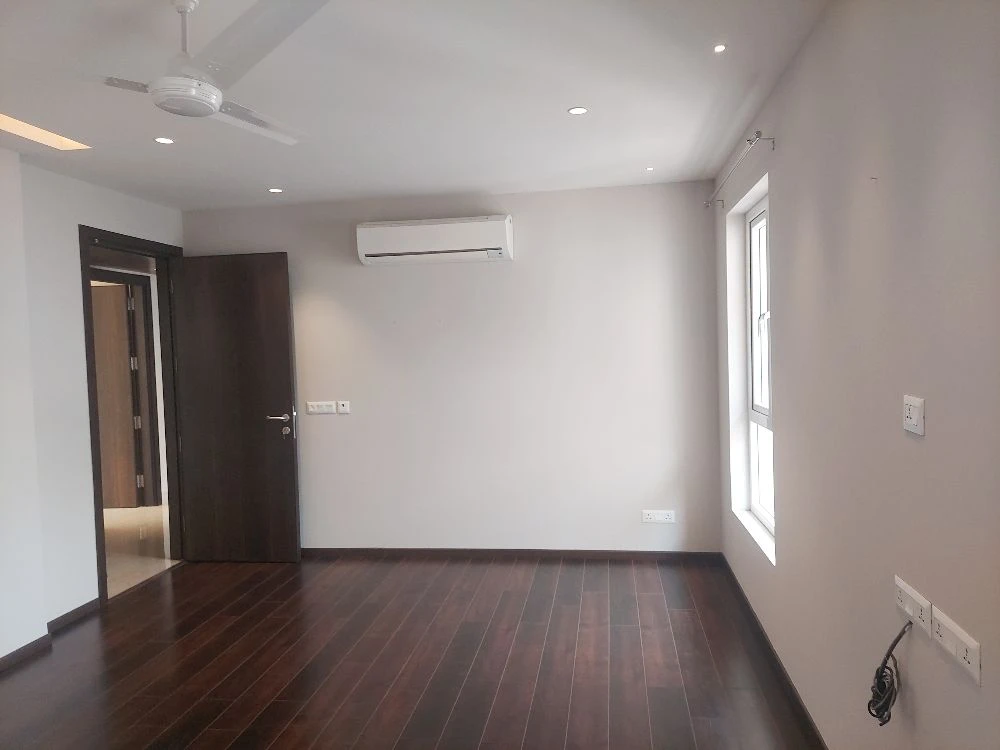
Features such as central heating, well-insulated rooms, fireplaces, heated bathrooms, and thoughtfully designed windows can make a noticeable difference during colder months.
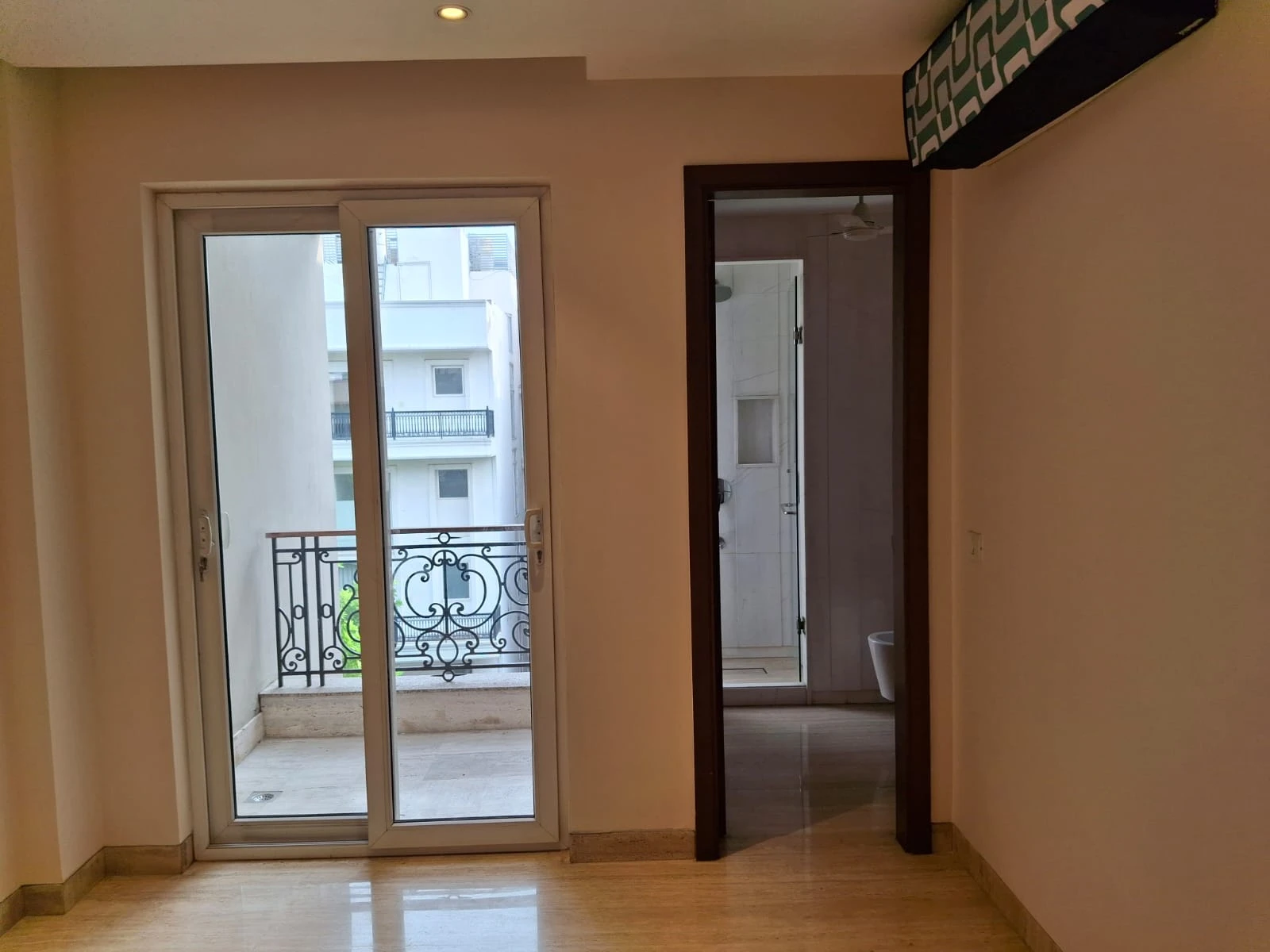
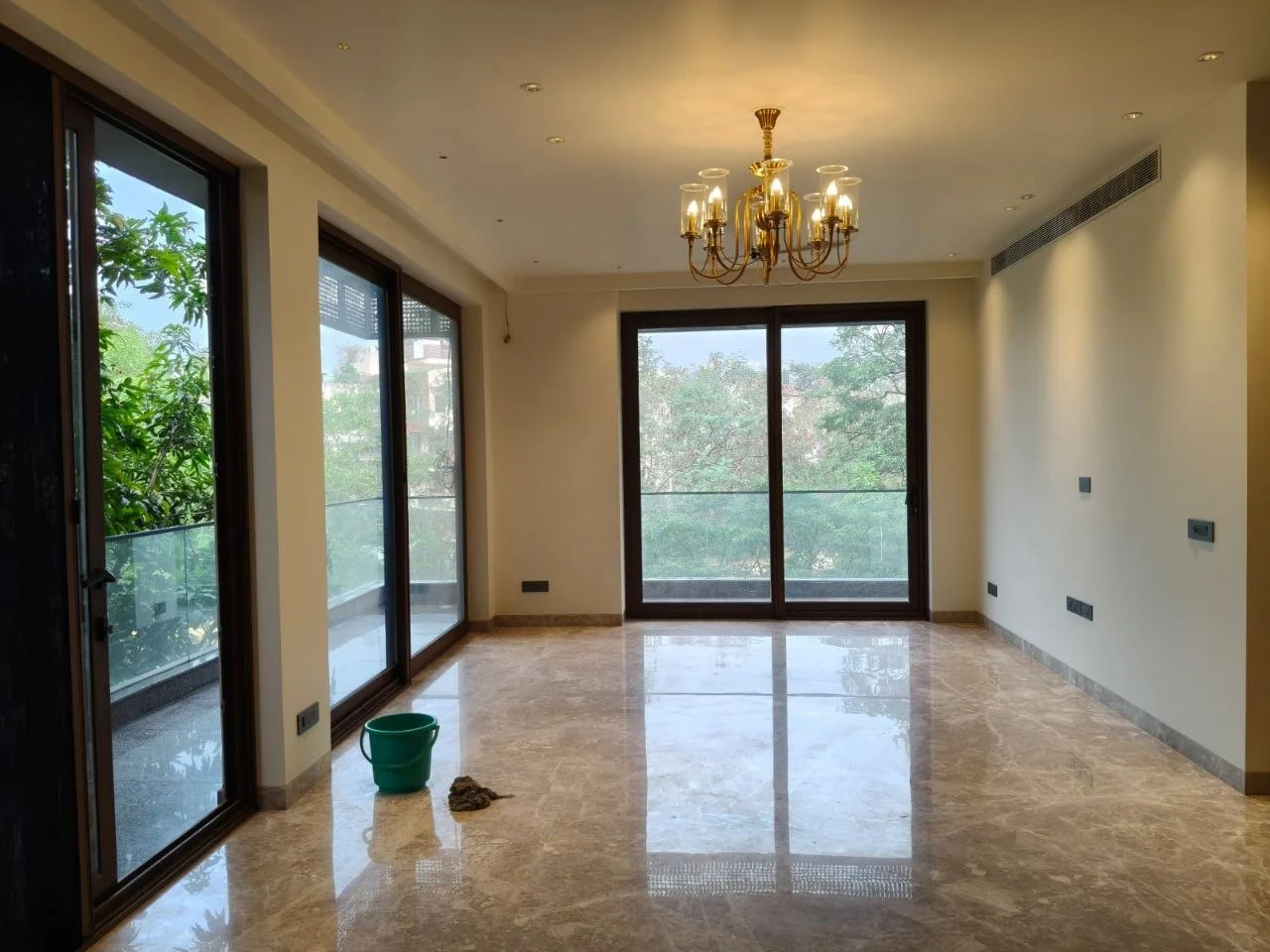
A private balcony overlooking greenery, a quiet terrace, or a sunlit reading nook can turn an ordinary winter morning into a more enjoyable daily ritual.
In Delhi’s warmer months, some outdoor spaces may be overlooked. Winter brings terraces, lawns, balconies, and courtyards back into everyday life.
The best South Delhi rental homes aren't just about premium finishes or impressive addresses, they're about how comfortably and beautifully the property fits into your lifestyle throughout the year.
When finding the right winter-ready home among the luxury rental properties in South Delhi, consider the necessary architectural and amenity checklist.
Tick-mark the below given aspects to ensure an absolute well-being and thermal comfort of home in South Delhi:
Advanced Thermal And Climate Engineering
Indoor-Outdoor Flow And Winter Gardens
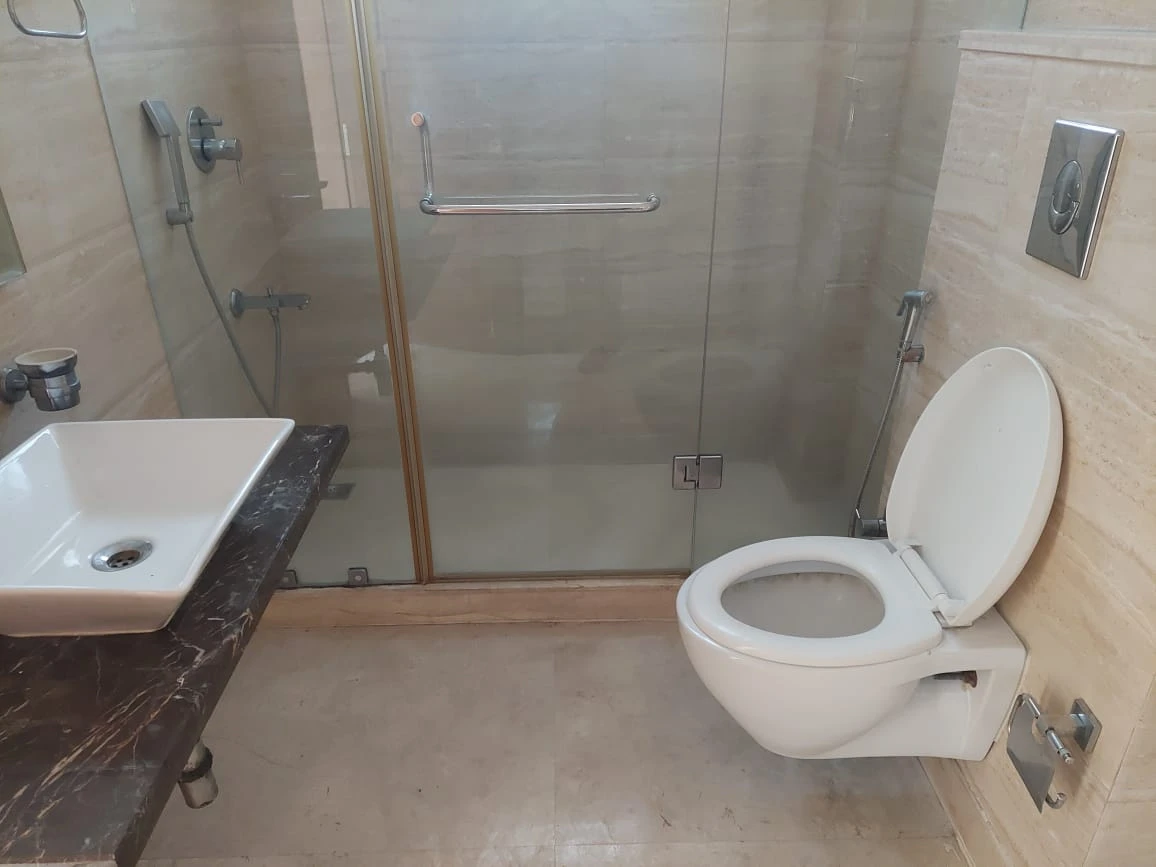
Wellness And Spa-Grade Bathrooms
Entertainment And Winter Hosting Setup
South Delhi is a rare mosaic of aristocratic heritage, diplomatic prestige, and cosmopolitan vibrants. As the winter season descends upon the capital, different neighborhoods take on unique character traits, offering distinct atmospheres for international assignees, diplomats, and elite families.
Exploring the premier micro-markets reveals how each location offers its own version of winter luxury, architectural brilliance, and lifestyle convenience:
1. Chanakyapuri And The Diplomatic Enclave
Ultra-secure, impeccably manicured, and deeply steeped in international prestige, Chanakyapuri is home to foreign embassies, high commissions, and elite ambassadorial residences.
2. Jor Bagh And Golf Links
Defined by heritage wealth and elite exclusivity, these neighborhoods offer immediate proximity to the historic Delhi Gymkhana Club, Khan Market, and the verdant expanses of Lodhi Gardens.
3. Vasant Vihar And Anand Niketan
Cosmopolitan, green, and consistently favored by top-tier expats, multinational CEOs, and international organization directors.
4. Westend And Shanti Niketan
Gated, ultra-private, and heavily guarded residential enclaves that offer absolute discretion, quiet lanes, and a tight-knit community of elite families.
Delhi winters bring a different change to residential living. With dense morning fog, shorter daylight hours, and cooler evenings, families naturally spend more time indoors and return home earlier.
For diplomats, embassy officials, NRIs, expats, and defence families, this makes privacy, controlled access, and dependable security even more important when choosing a luxury rental home in South Delhi. A winter-ready home should not only ensure warmth and comfort but also create a secure and unique environment for everyday living, private family time, and seasonal entertaining.
Secure Access In Foggy Winter Mornings
Dense fog can significantly reduce visibility during early mornings and late evenings. A well-managed luxury home should have clearly controlled entry points, adequate exterior lighting, CCTV control, and reliable security standards.
For families with drivers, domestic staff, and regular visitors, controlled access can make daily arrivals and departures more organised without compromising privacy.
Privacy For Gatherings And Quality Time
Delhi's pleasant winter afternoons are ideal for private lunches, garden gatherings, diplomatic dinners, and family occasions. Properties with landscaped boundaries, private terraces, enclosed courtyards, and thoughtfully designed outdoor areas allow residents to enjoy and entertain comfortably without feeling exposed to neighbouring properties or passing traffic.
Well-Lit Outdoor Areas For Winter Evenings
Winter brings earlier sunsets, making exterior lighting an important factor to consider. Driveways, entrances, pathways, gardens, terraces, and parking areas should be adequately illuminated without creating a harsh atmosphere.
Ideally, lighting should provide both security and ambience, allowing residents to continue using outdoor spaces comfortably after sunset.
Fog-Friendly Arrival And Parking Arrangements
For residents who frequently travel early in the morning or return late in the evening, the arrival experience matters. Covered parking, clearly marked driveways, good exterior lighting, security-controlled gates, and sufficient vehicle manoeuvring space can make a noticeable difference when winter fog reduces visibility.
This is particularly relevant for embassy and diplomatic households where multiple vehicles, drivers, and scheduled movements may be part of everyday life.
Specific Layouts For International Families
For diplomats, embassy personnel, and senior international professionals, discretion should be considered at the property-selection stage itself.
Private entrances, appropriate setbacks from the road, boundary walls or landscaping, separate staff circulation, and limited visibility into principal living areas can create a more private residential environment. The objective is simple: that the home should feel open and welcoming to the people you invite in, while remaining appropriately private from the outside.
Security Complementing The Winter Lifestyle
The best luxury residences do not make security feel irrelevant. Instead, security systems, access controls, surveillance, lighting, and professional personnel should work quietly in the background. Typically, the shorter days, earlier evenings, and early-morning fog of Delhi winters need more thoughtful protocols of home security.
In ultra-private micro-market areas, such as Westend, Shanti Niketan, and Anand Niketan, security gates, strict visitor screening, and round-the-clock patrolling ensure that your household remains completely secure and you peacefully enjoy cozy evenings indoors or host late-night family time.
Heating, Ventilation, And Air Quality
Winter comfort is not simply about keeping a property warm. A premium home should maintain a comfortable indoor temperature and ensure adequate ventilation and healthy air circulation.
When evaluating luxury rental properties in South Delhi, ensure the heating and HVAC systems are installed in the residence. For international residents, air quality is equally installed in the property. As Delhi experiences increased pollution levels in the colder months, it’s essential to determine a property with proper air-purification systems.
As South Delhi transforms into a cozy winter destination, your residence should offer an excellent blend of warmth, comfort, and security. Choosing a winter-ready luxury rental property in South Delhi allows you to enjoy living in an advanced climate control, effortless indoor-outdoor, and comfortable residence.
Ready to explore exclusive, winter-ready, and cozy estates in South Delhi? Contact us today and schedule your private property tour today!
Property For Rent In Defence Colony Delhi: Prices, Locality And Best Options Finding the perfect property for rent in Defence Colony Delhi becomes easier when you know the locality, ren...
Read more...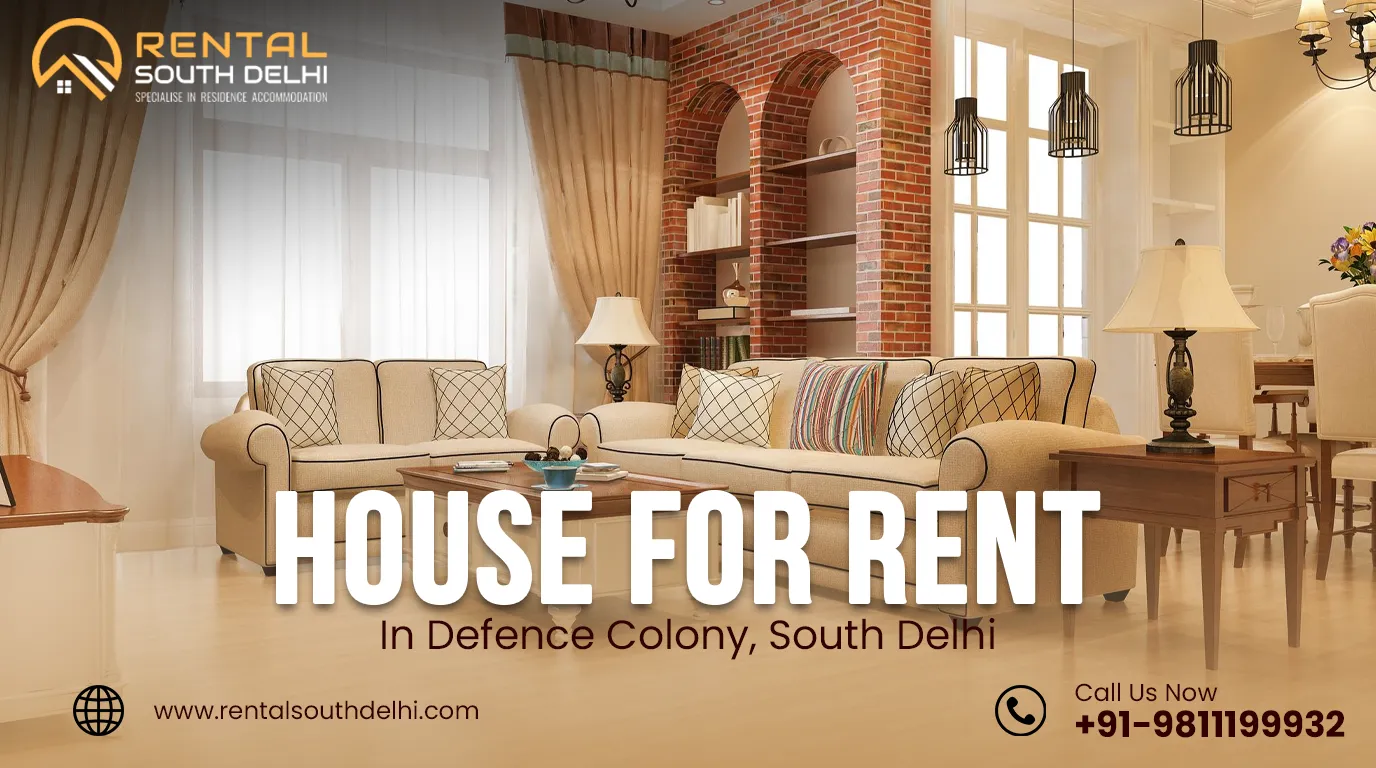
Find A House For Rent In Defence Colony Delhi Are you looking for a house for rent in Defence Colony Delhi? We understand it's not only about deciding on a place to live, but it'...
Read more...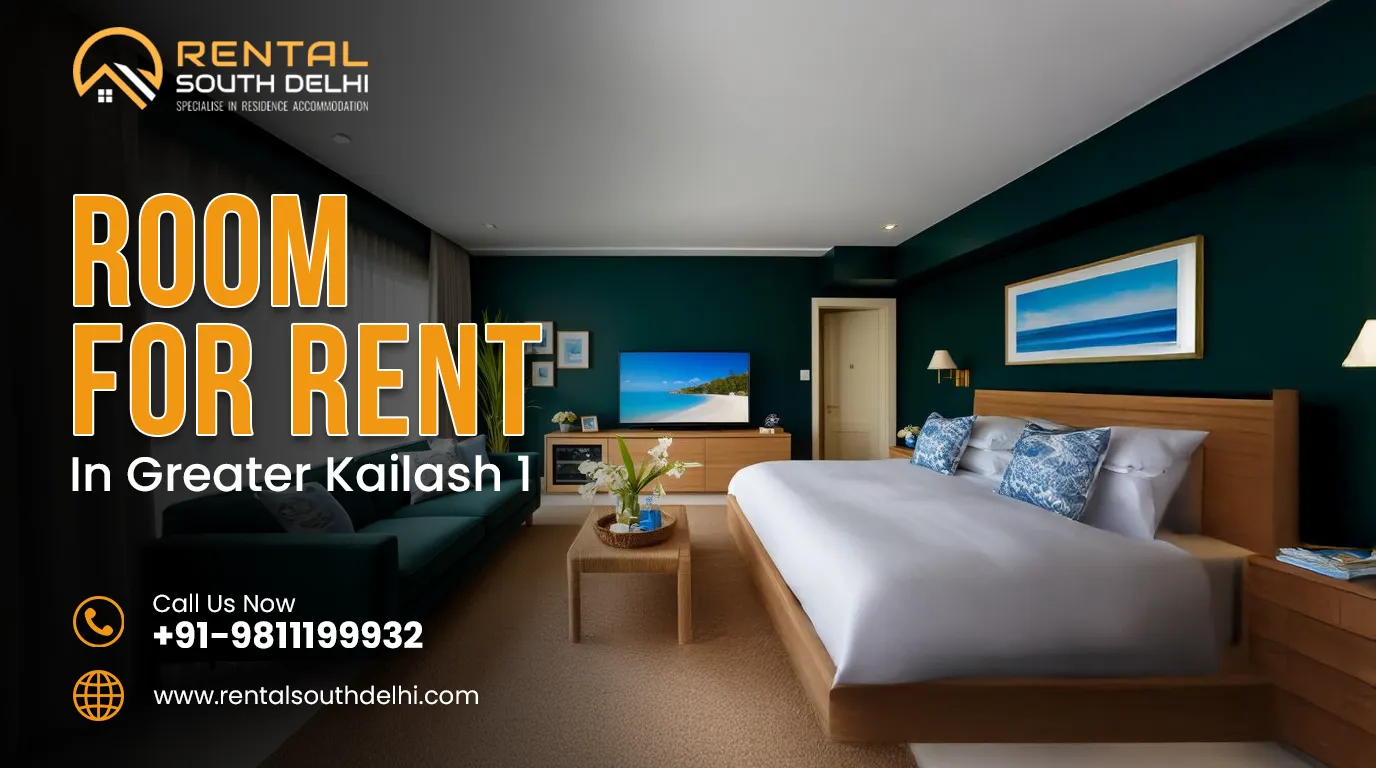
Room For Rent In Greater Kailash 1 If you've been searching for a room for rent in Greater Kailash 1 and actually finding what you want feels like it's taking forever, you'r...
Read more...Stand-Alone Apartment | Penthouse Villas | Inependent Bungalows | Un/Furnished Homes | Independent House with drive-way | Apartment with Terrace Garden