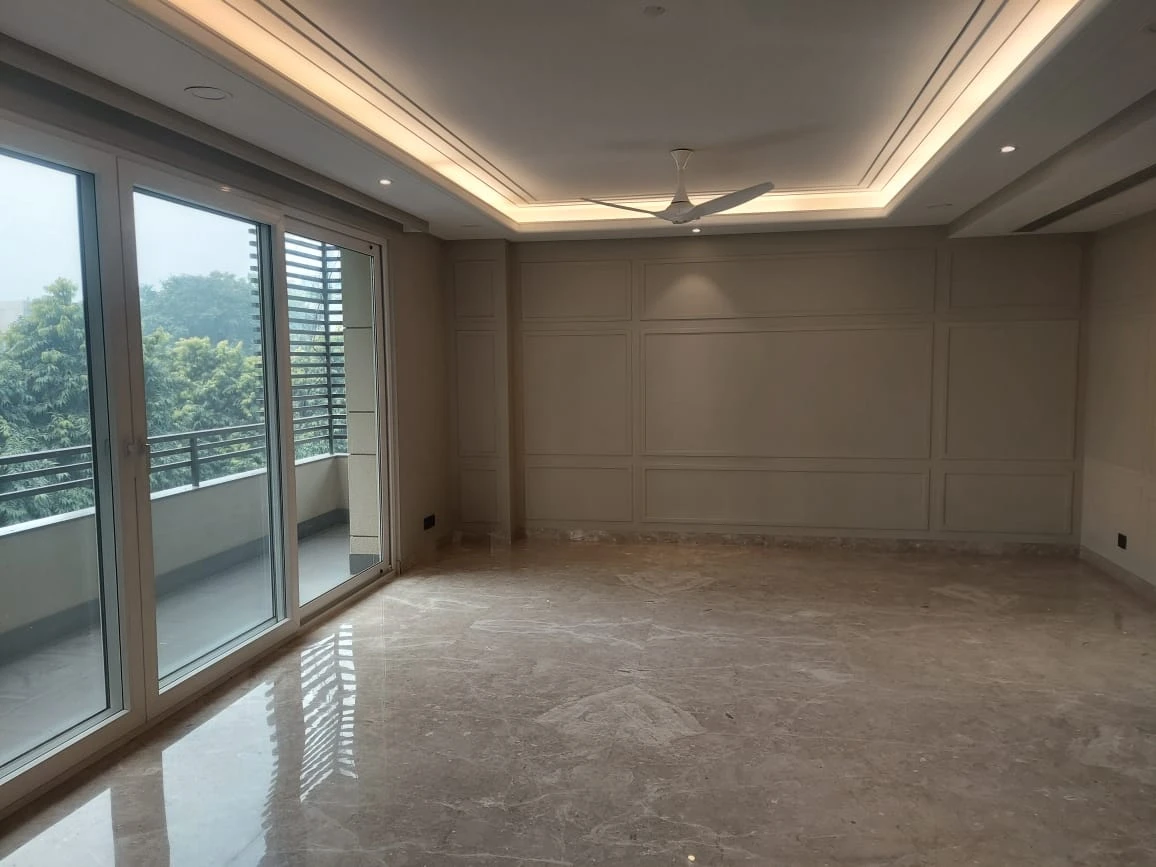
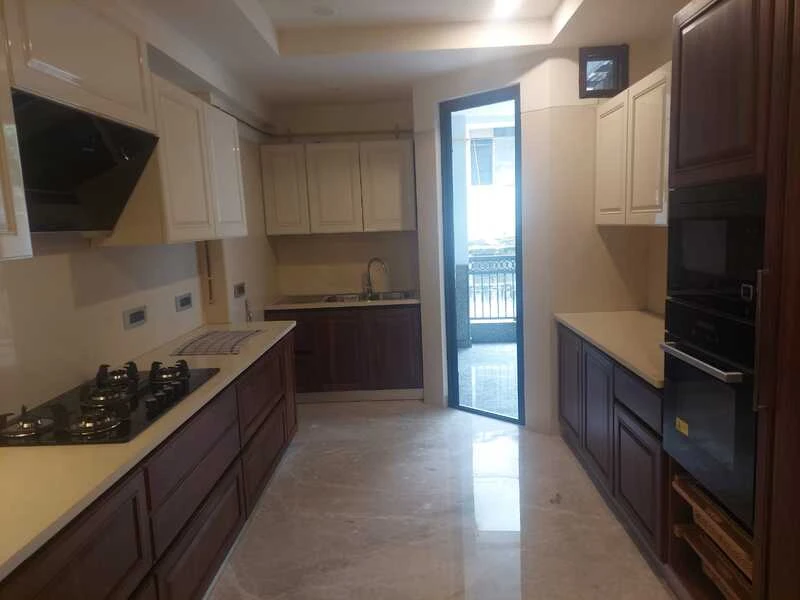
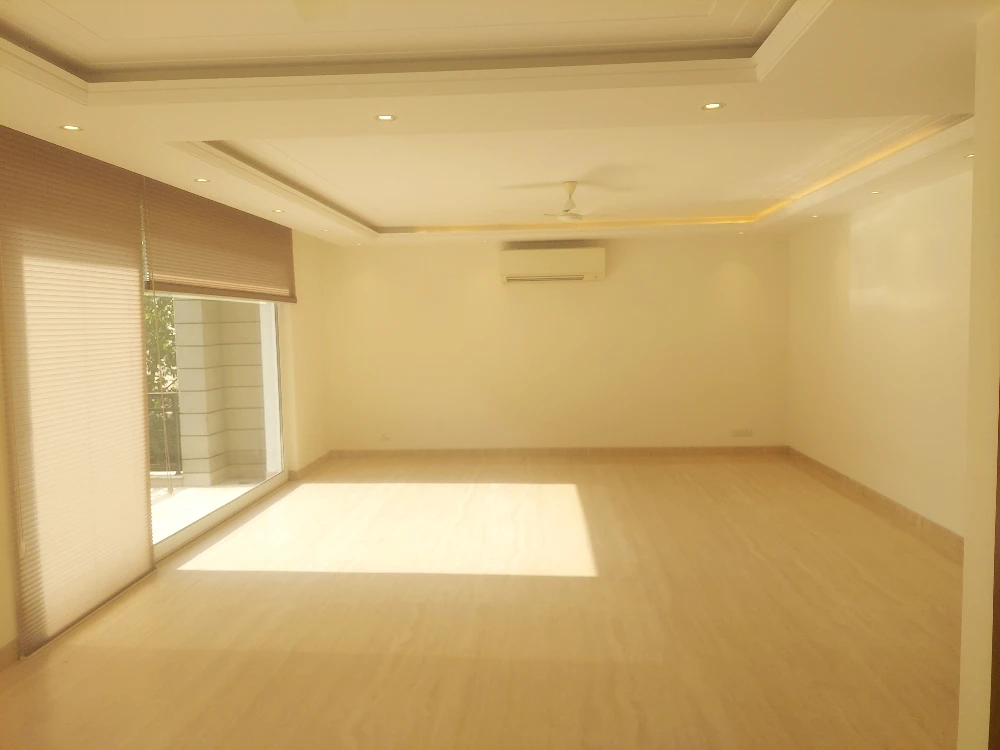
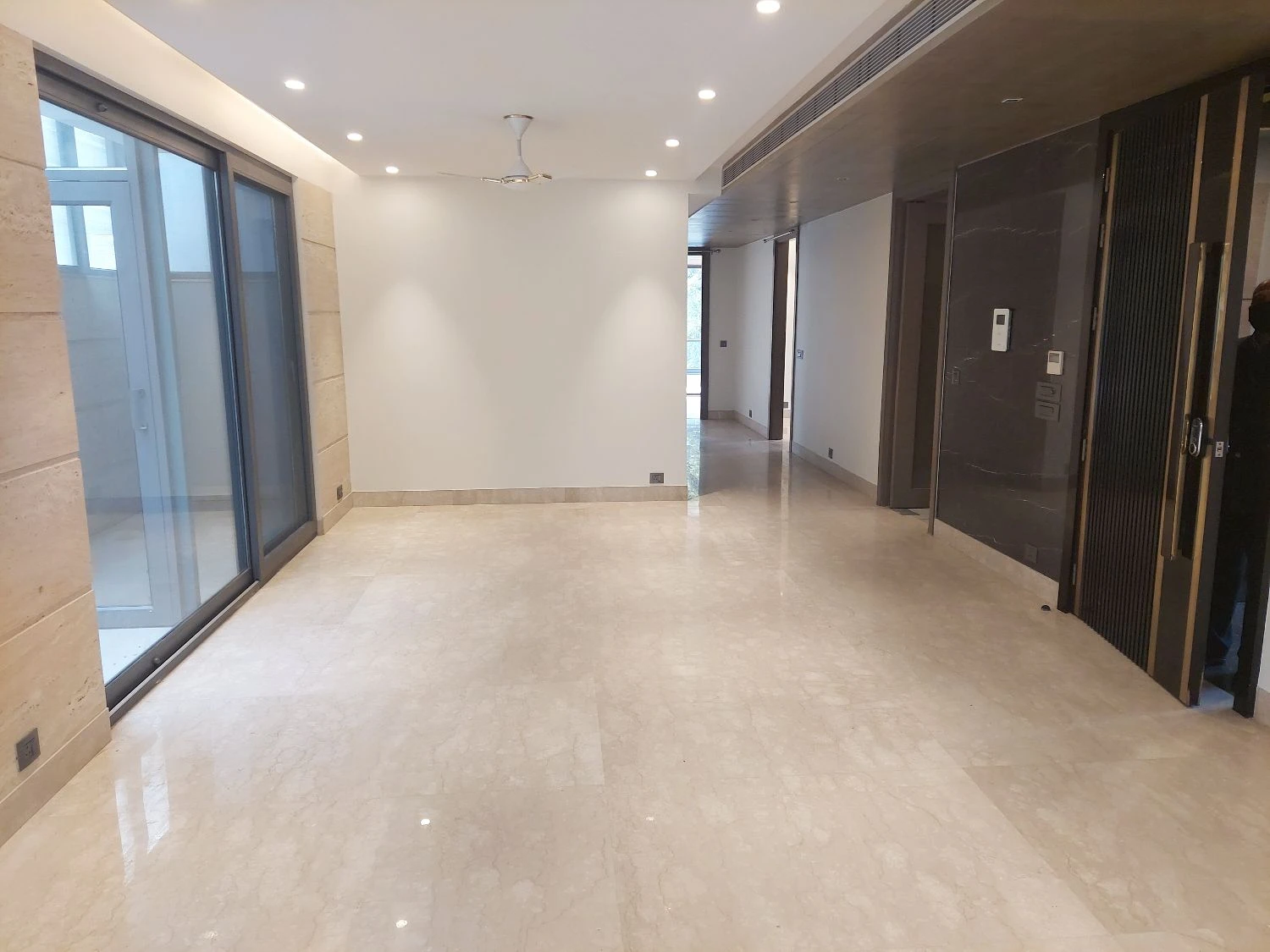
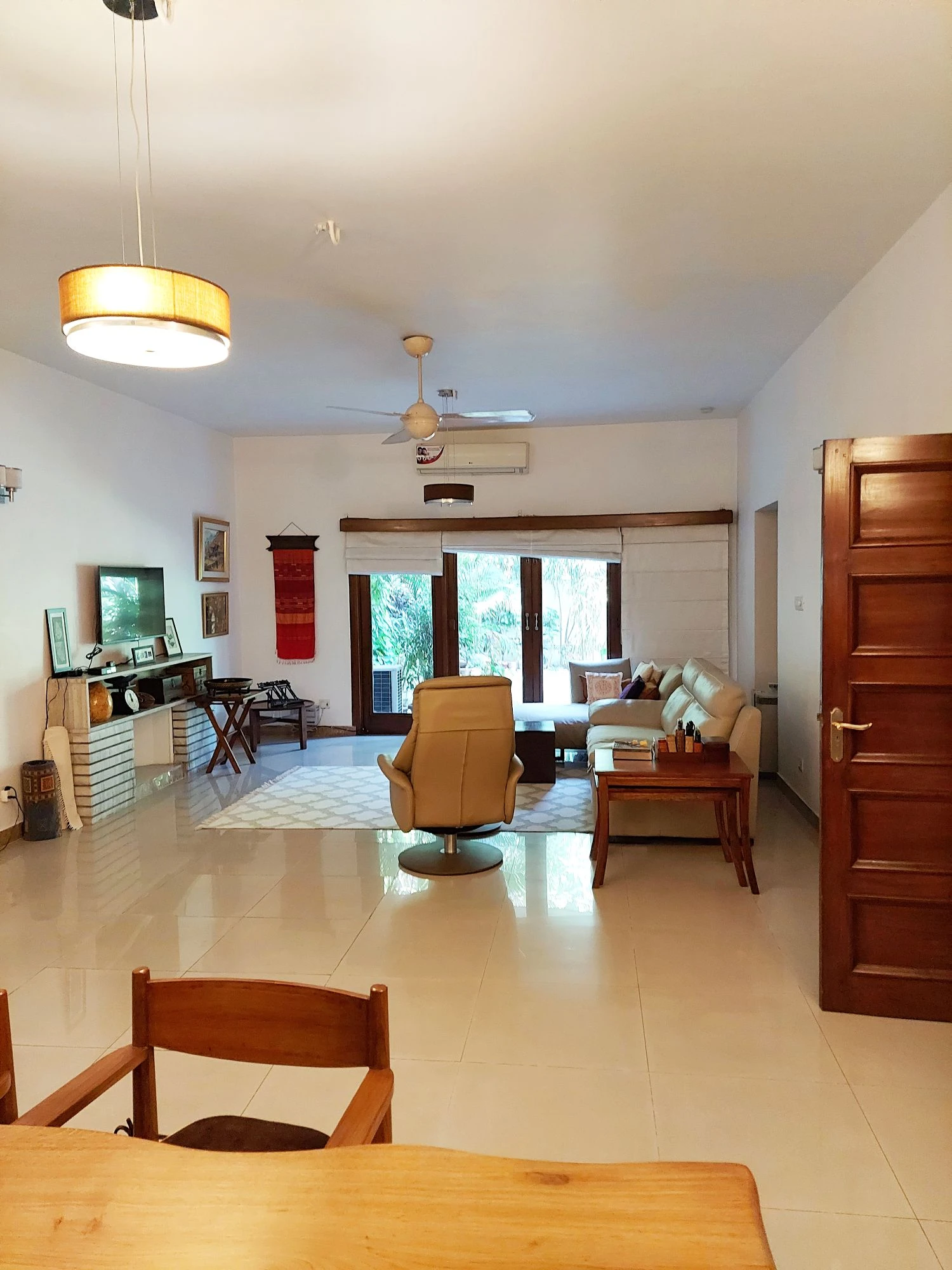
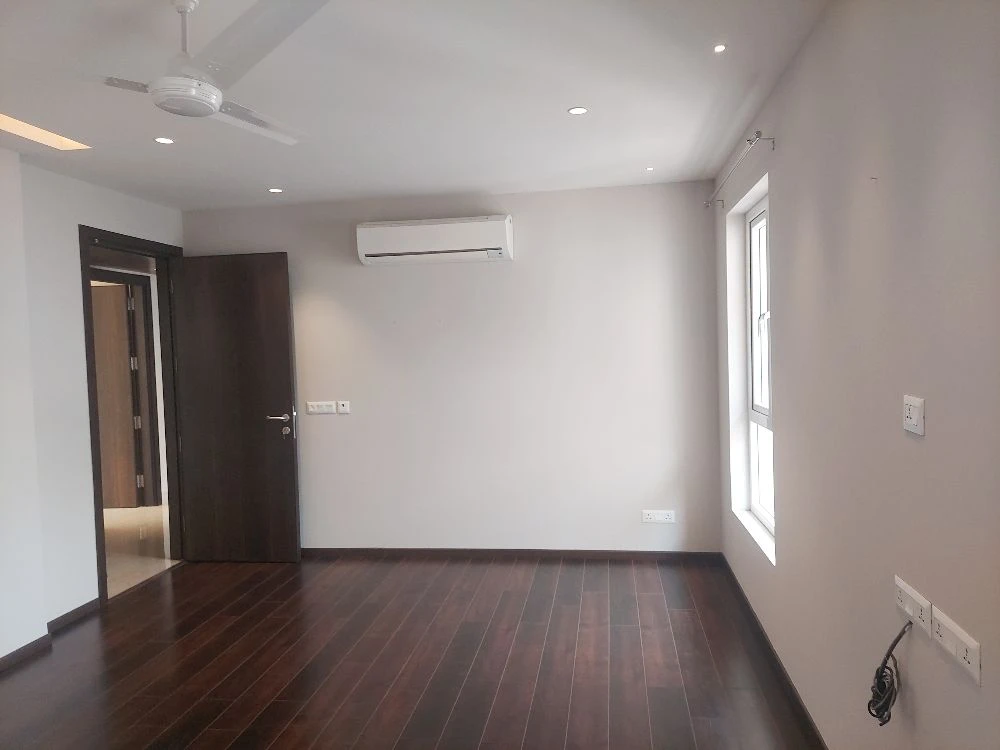
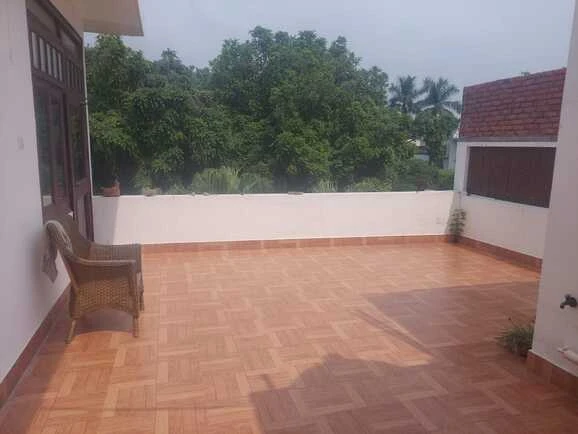
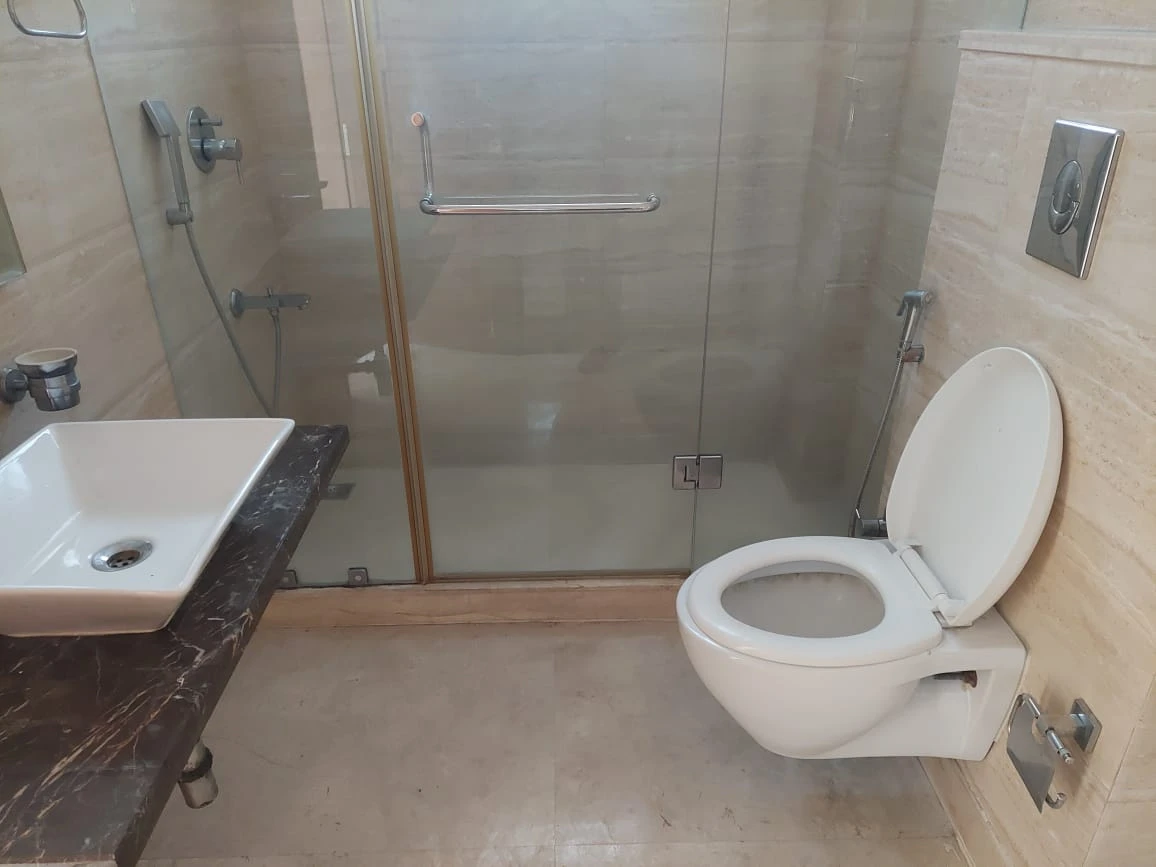
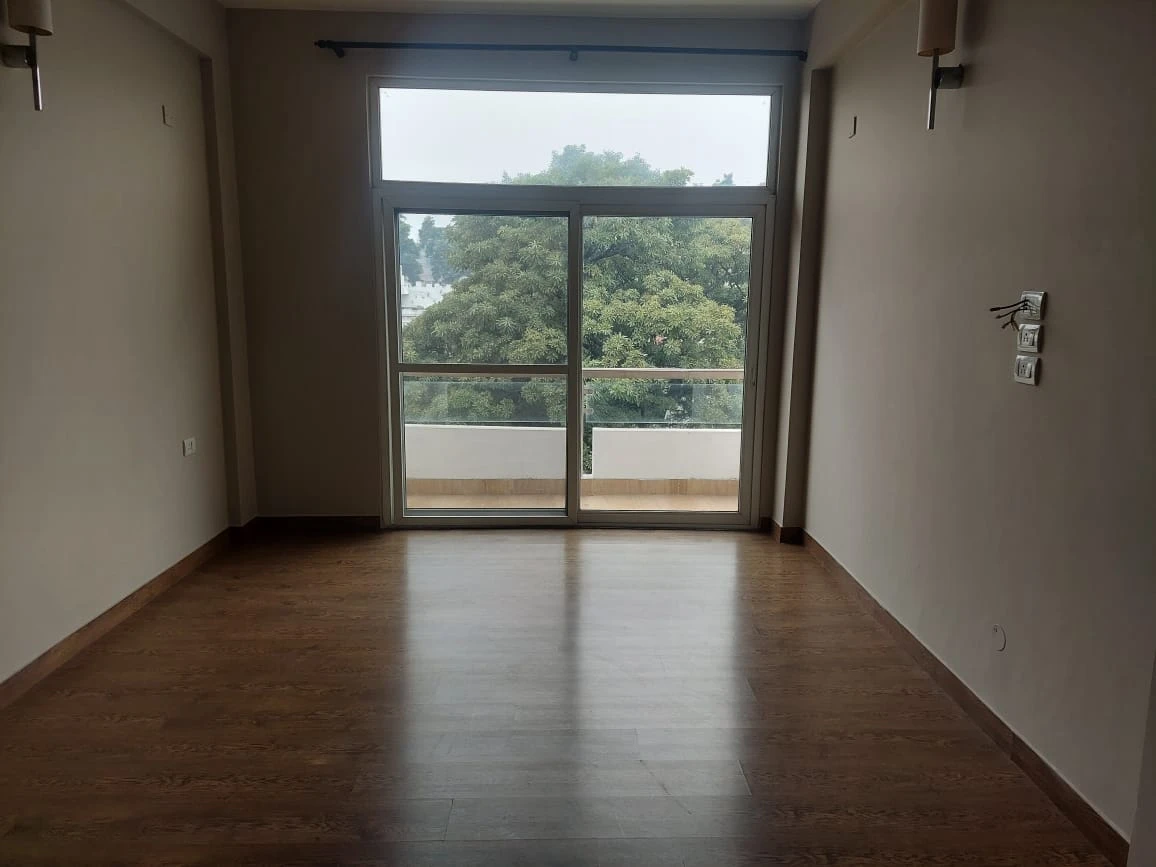
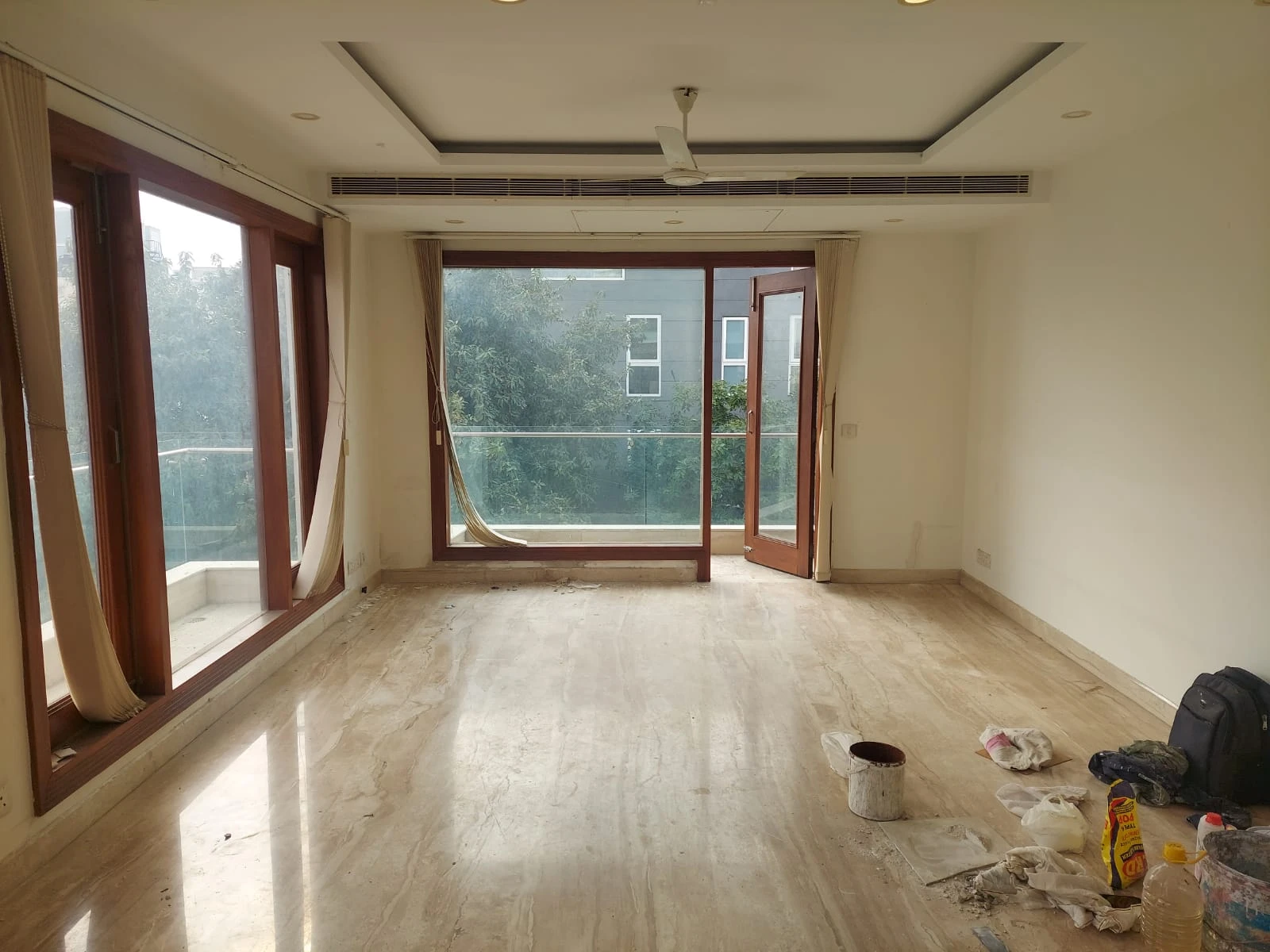
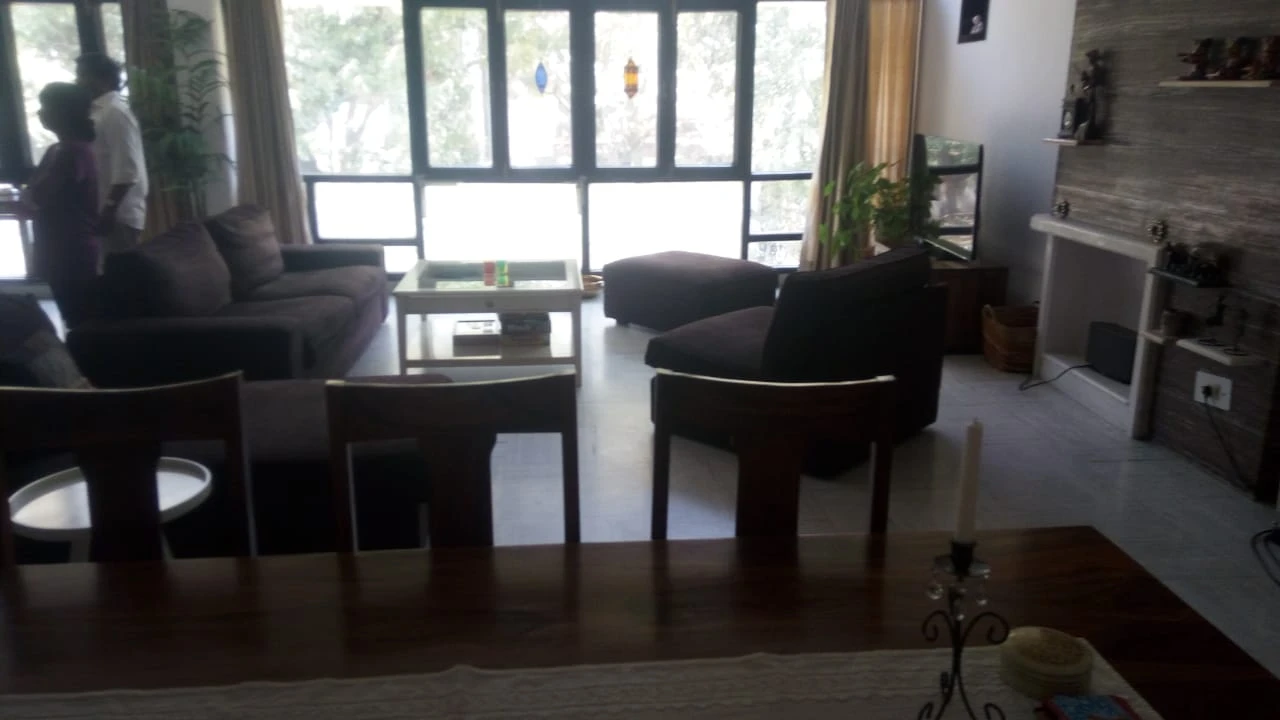
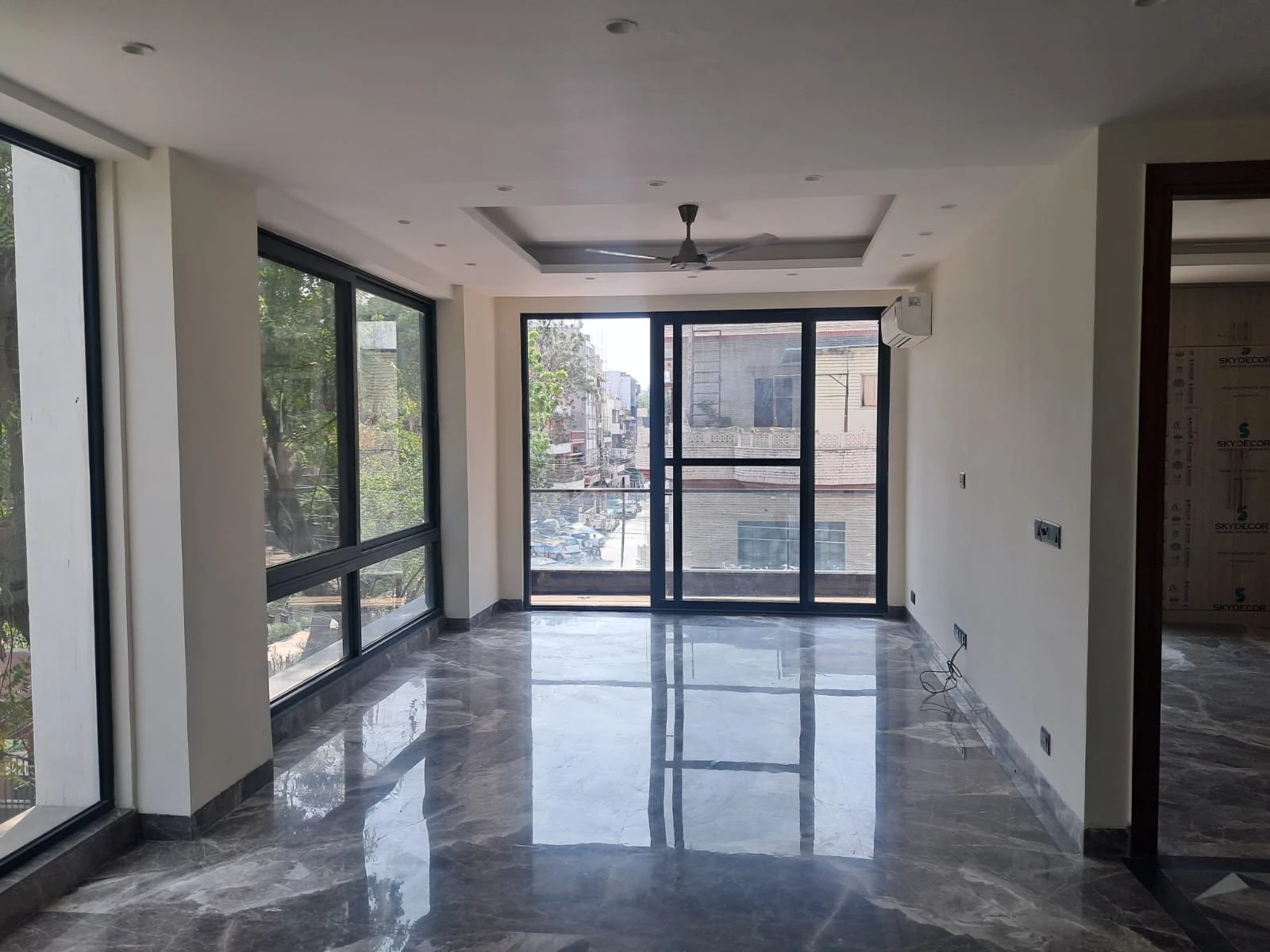
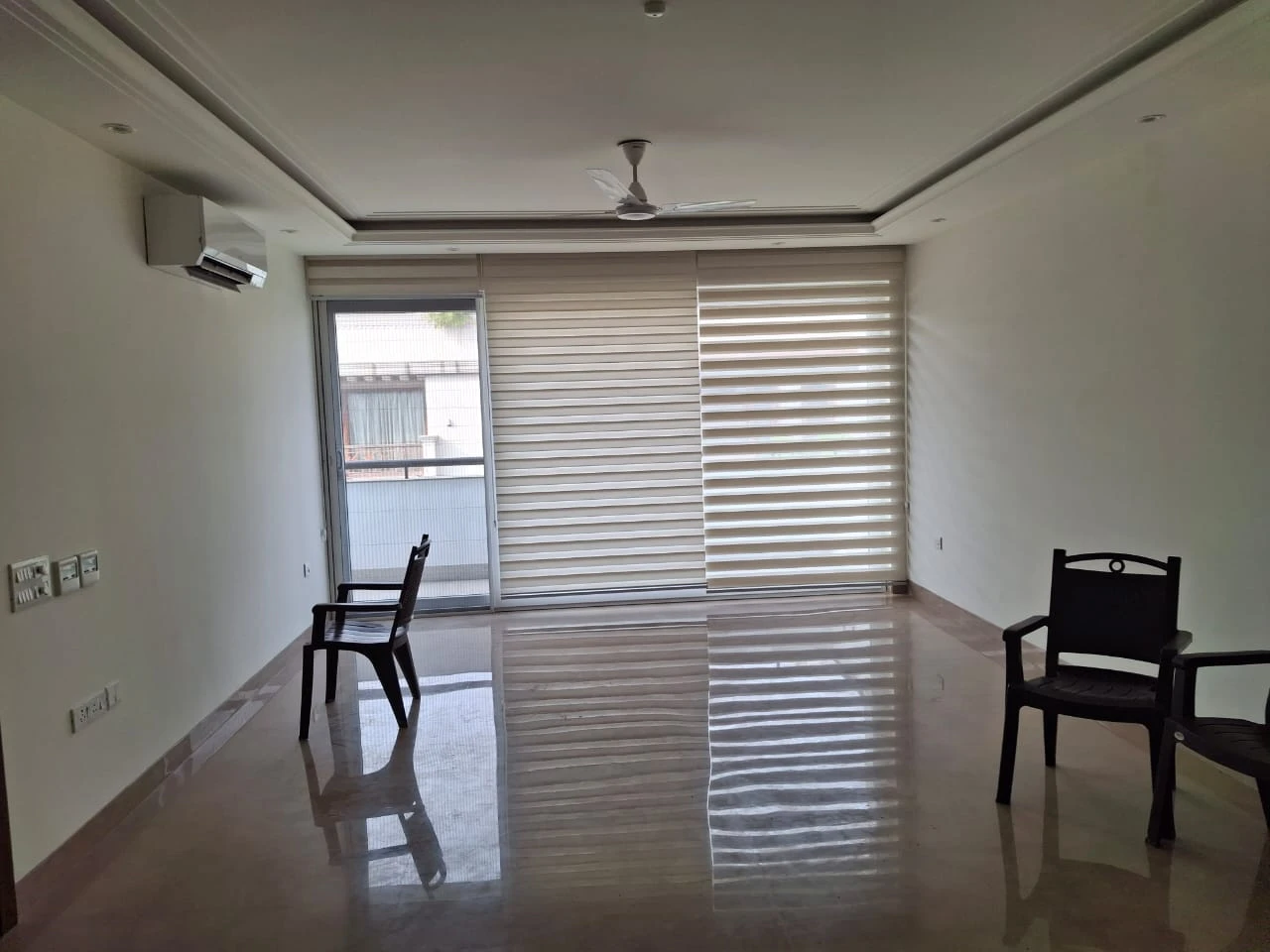
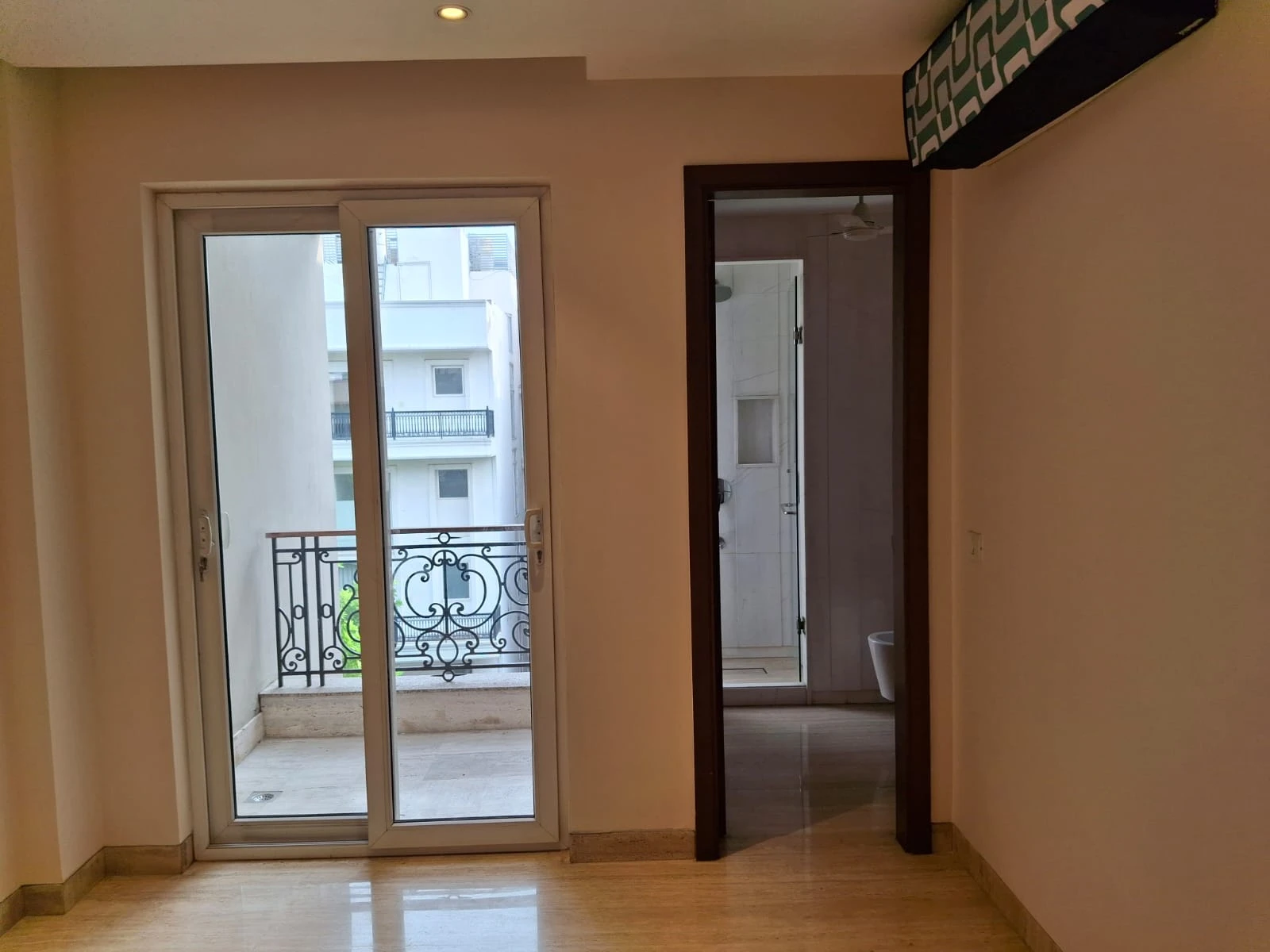
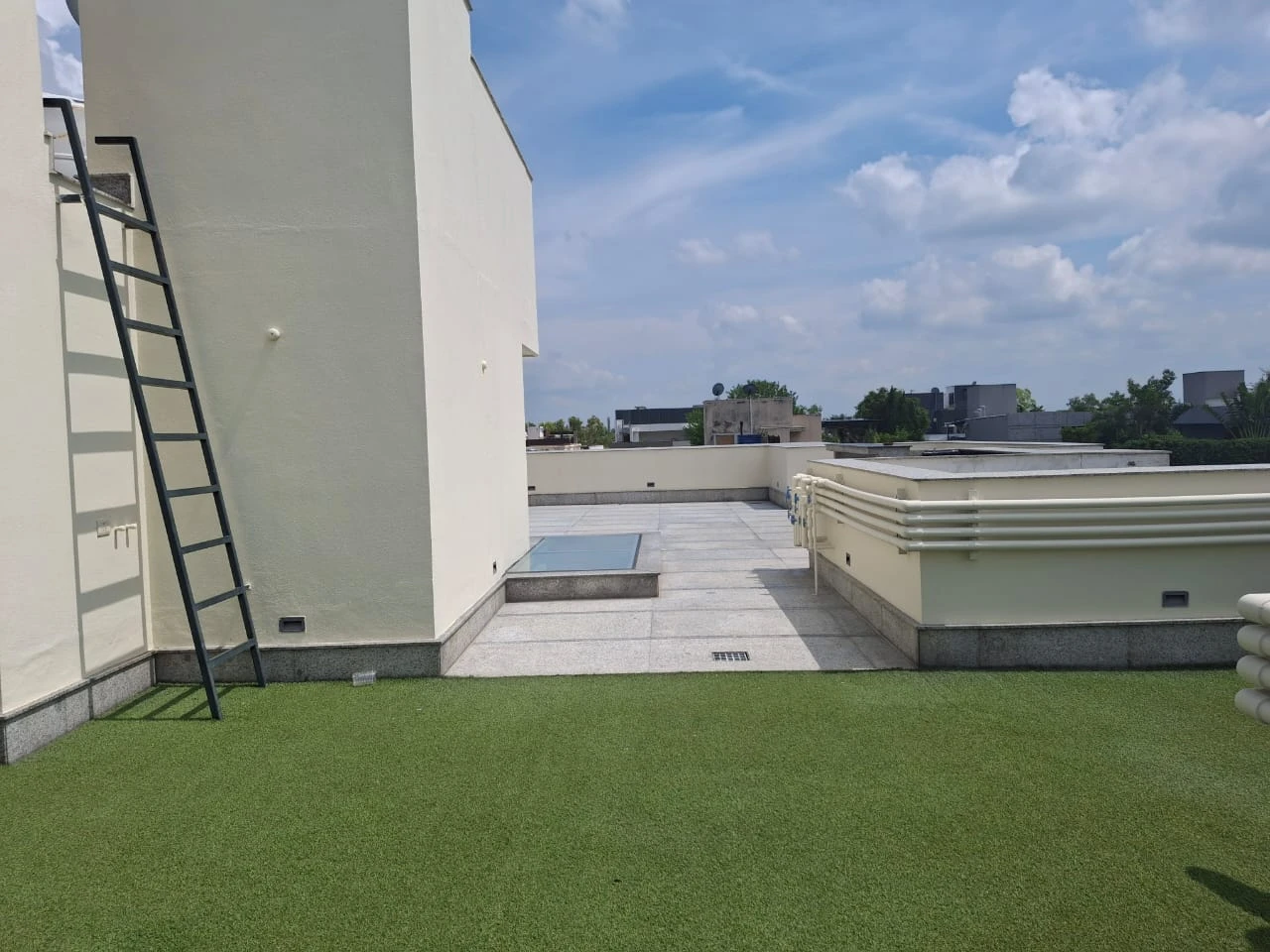
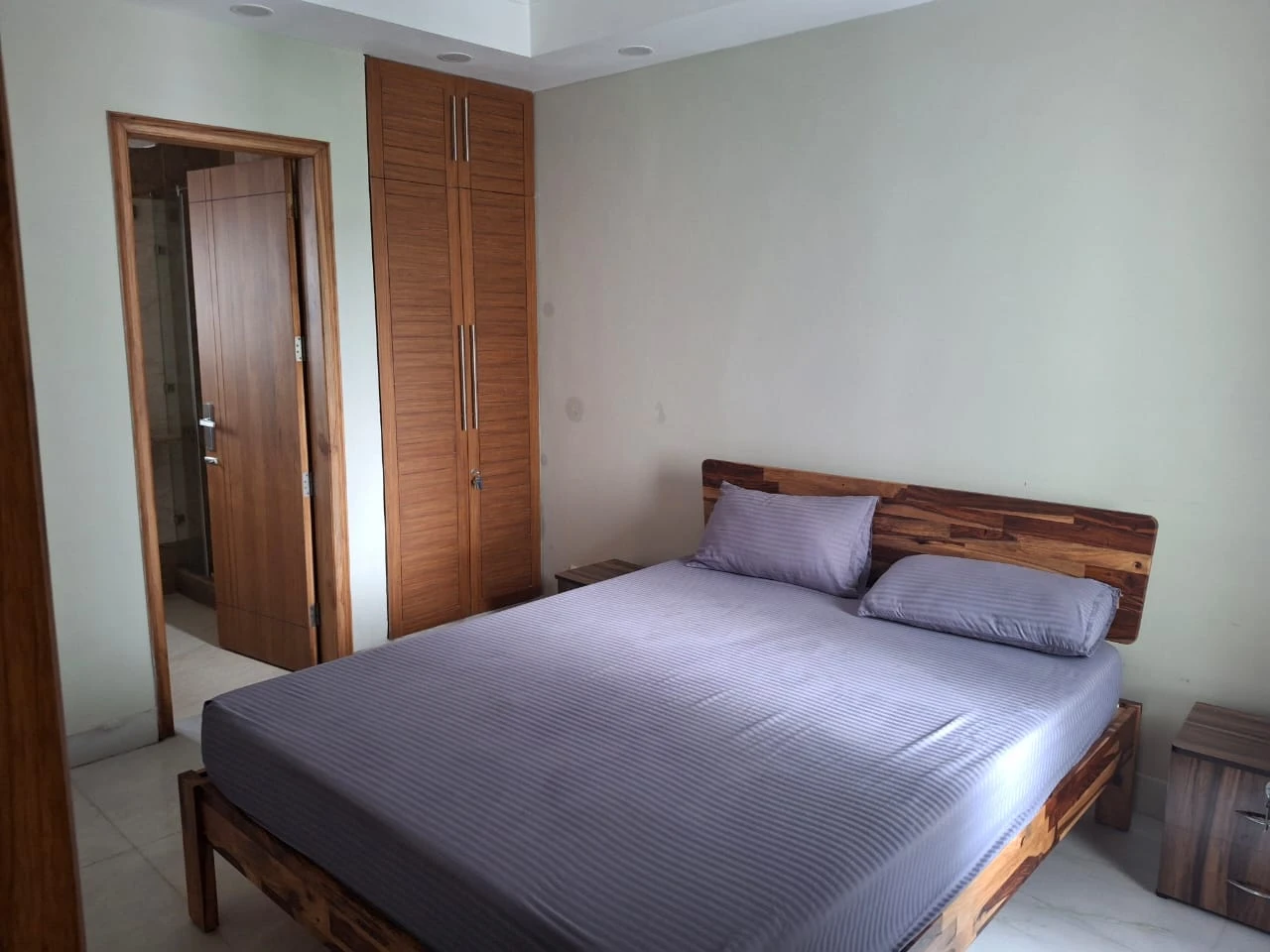
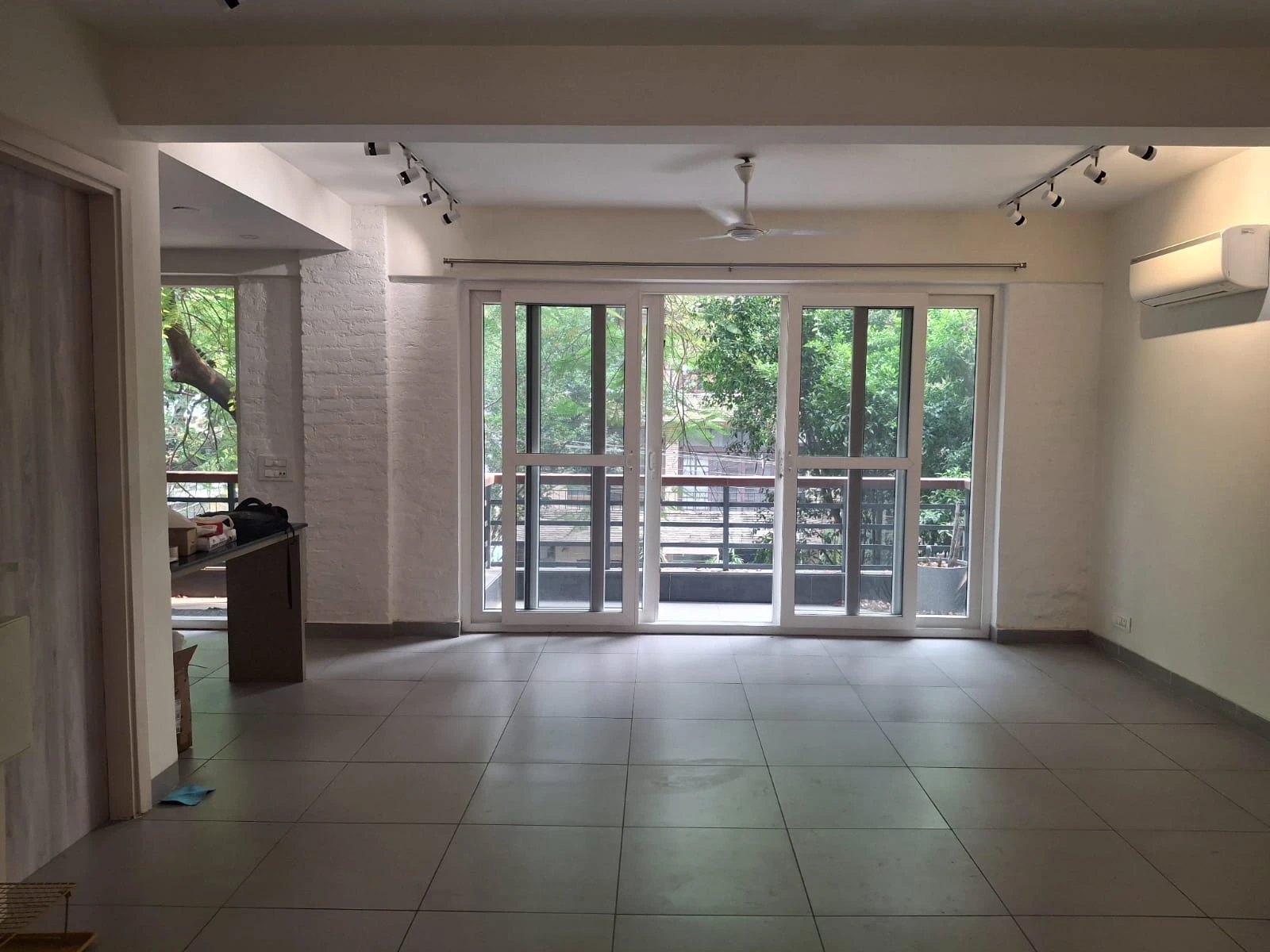
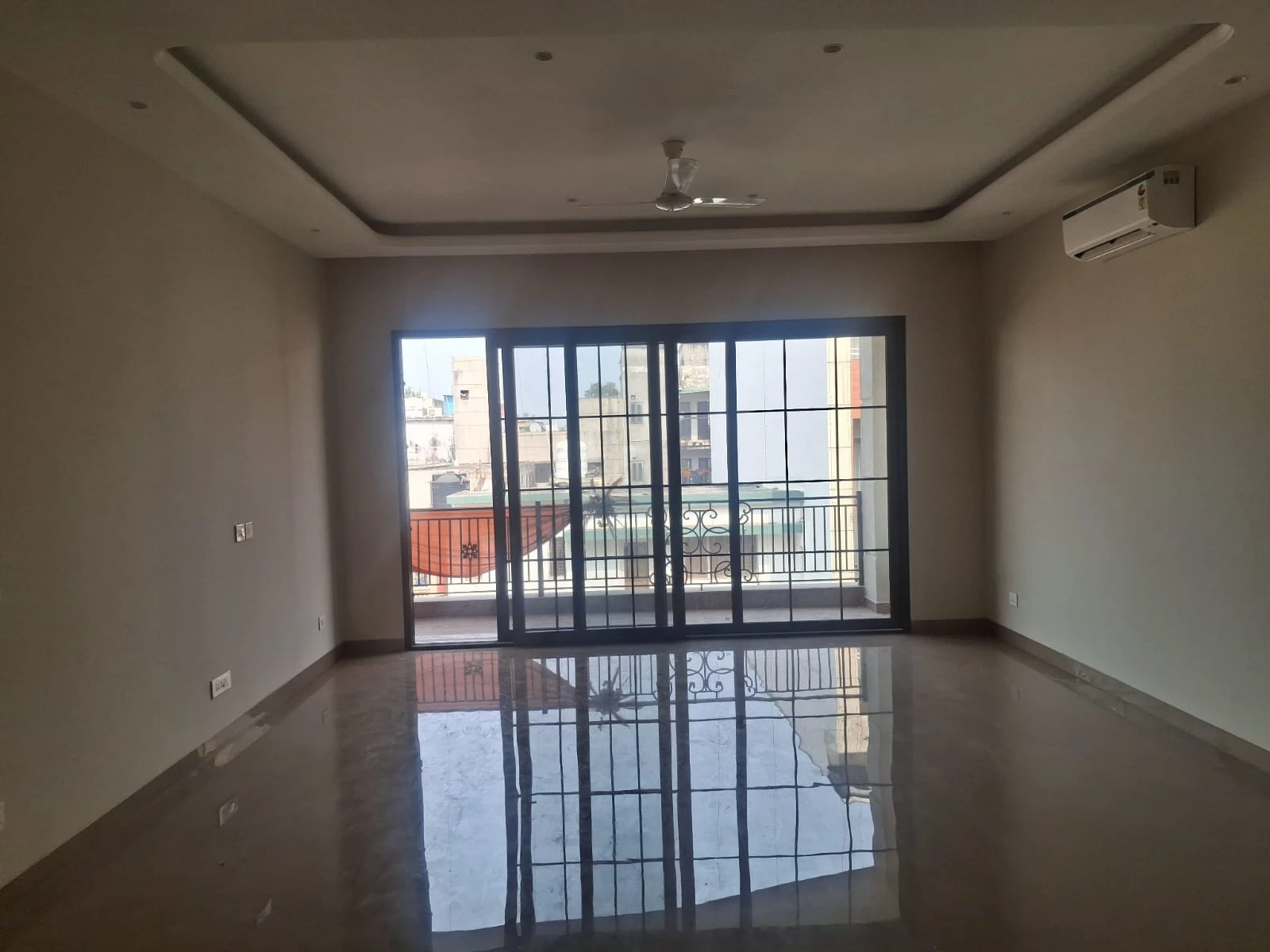
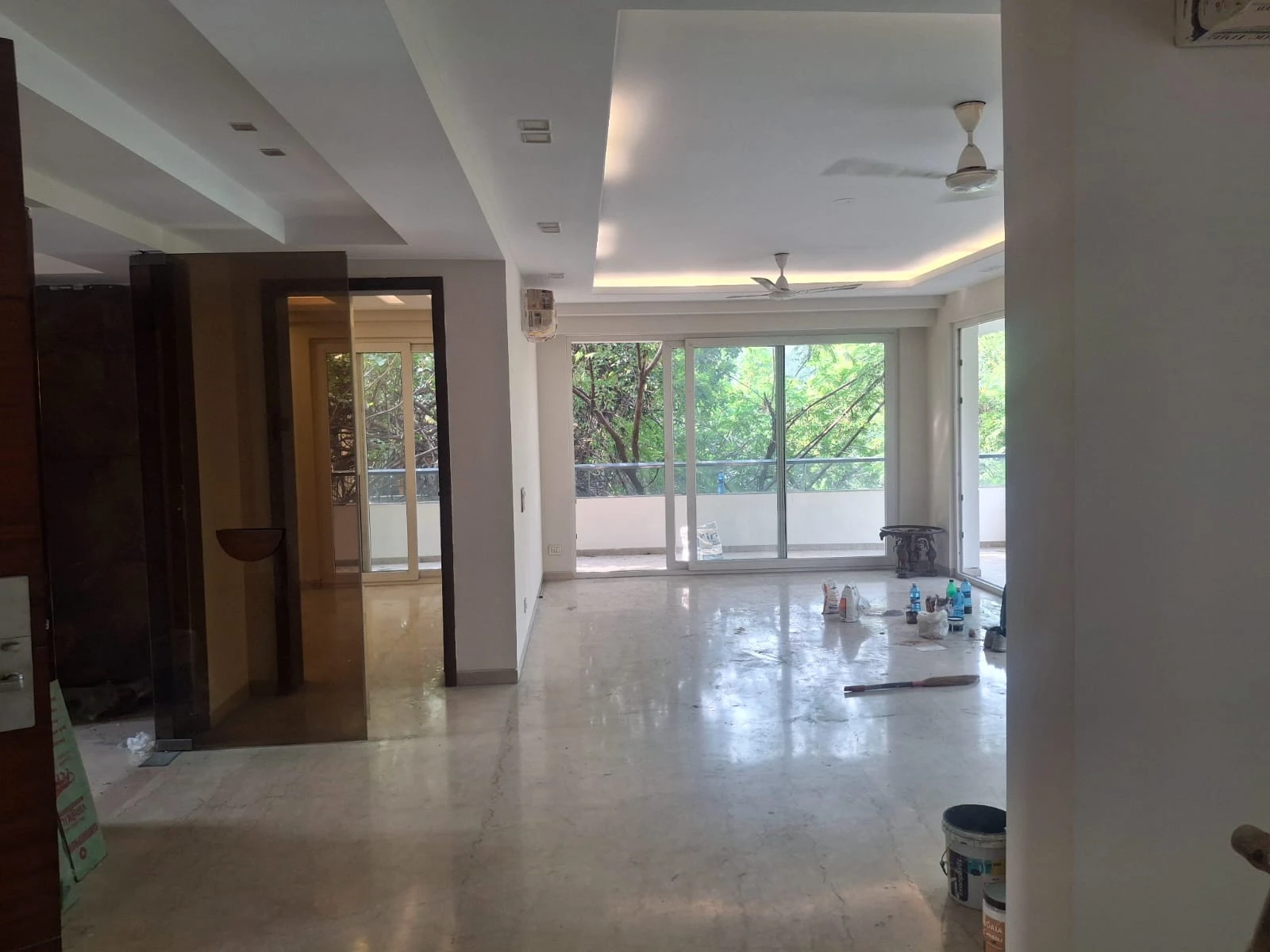
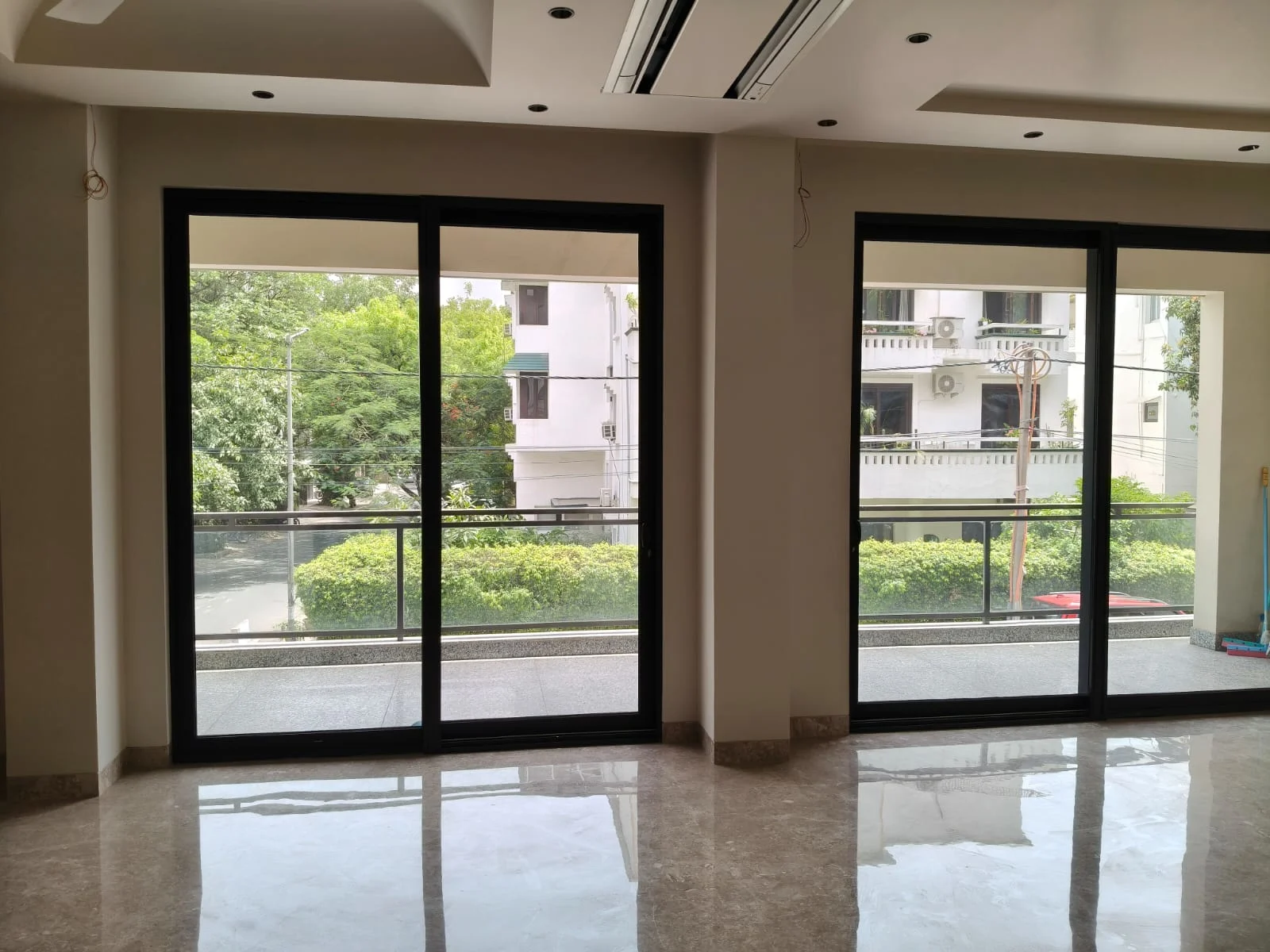
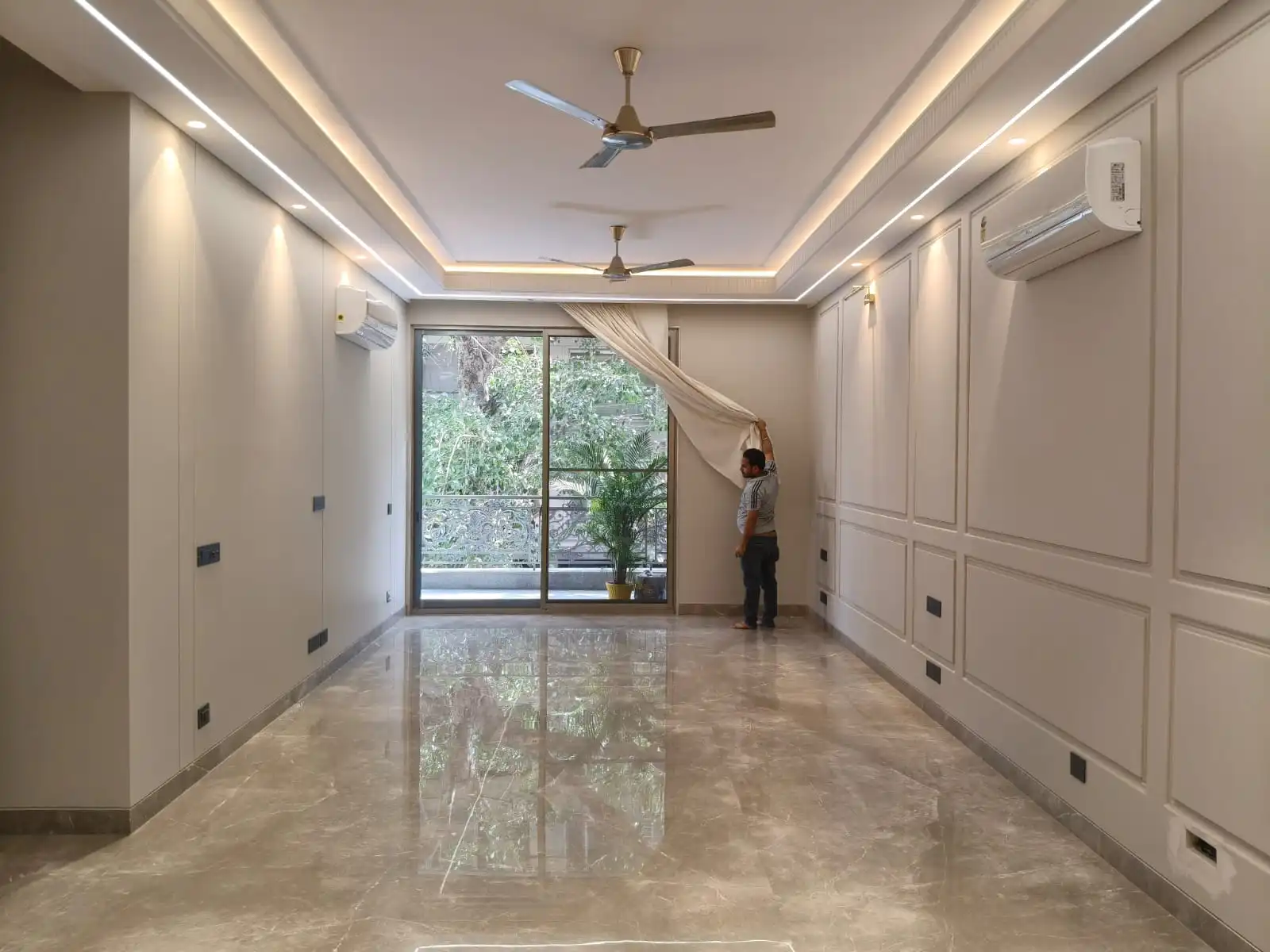
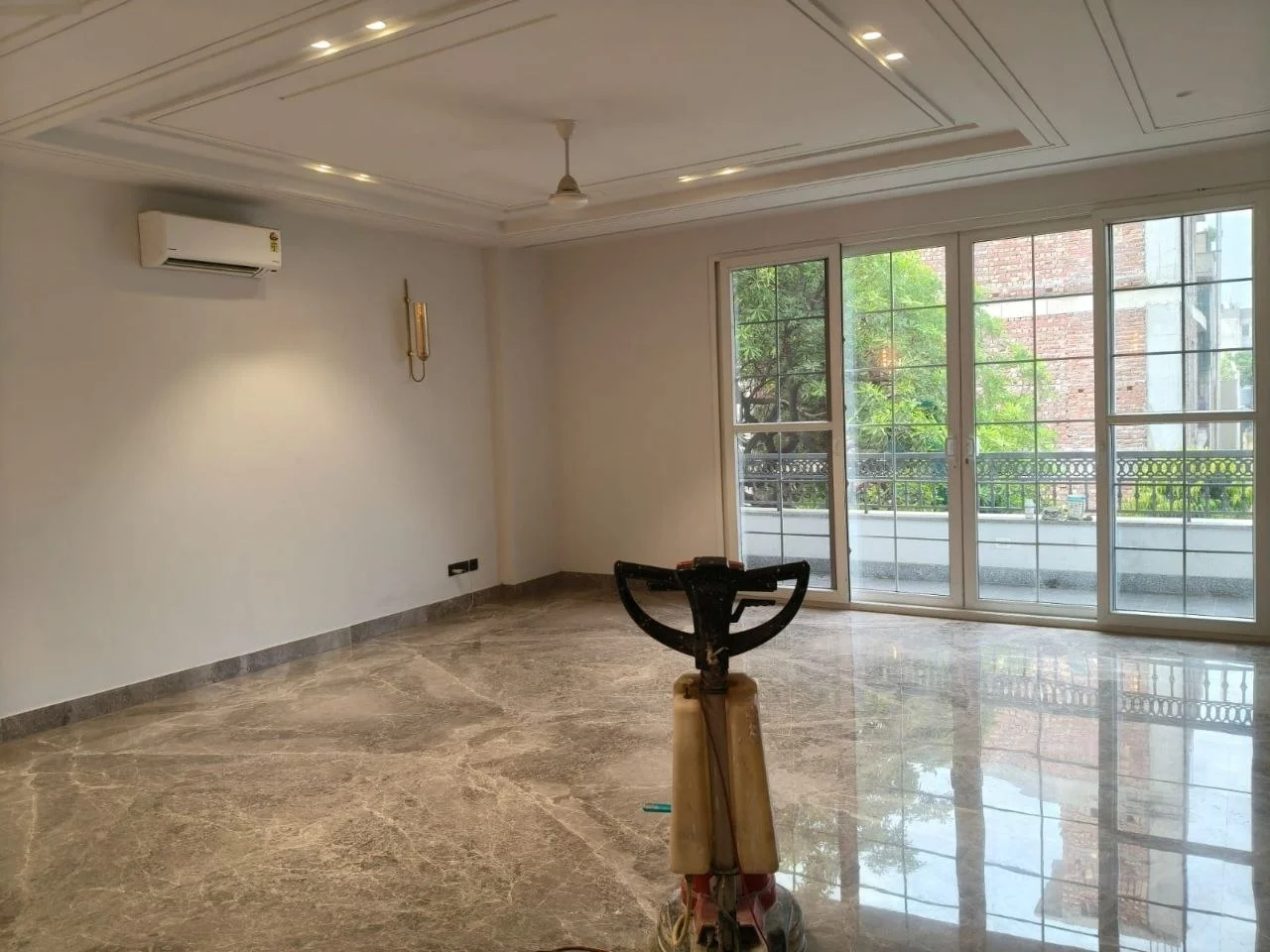
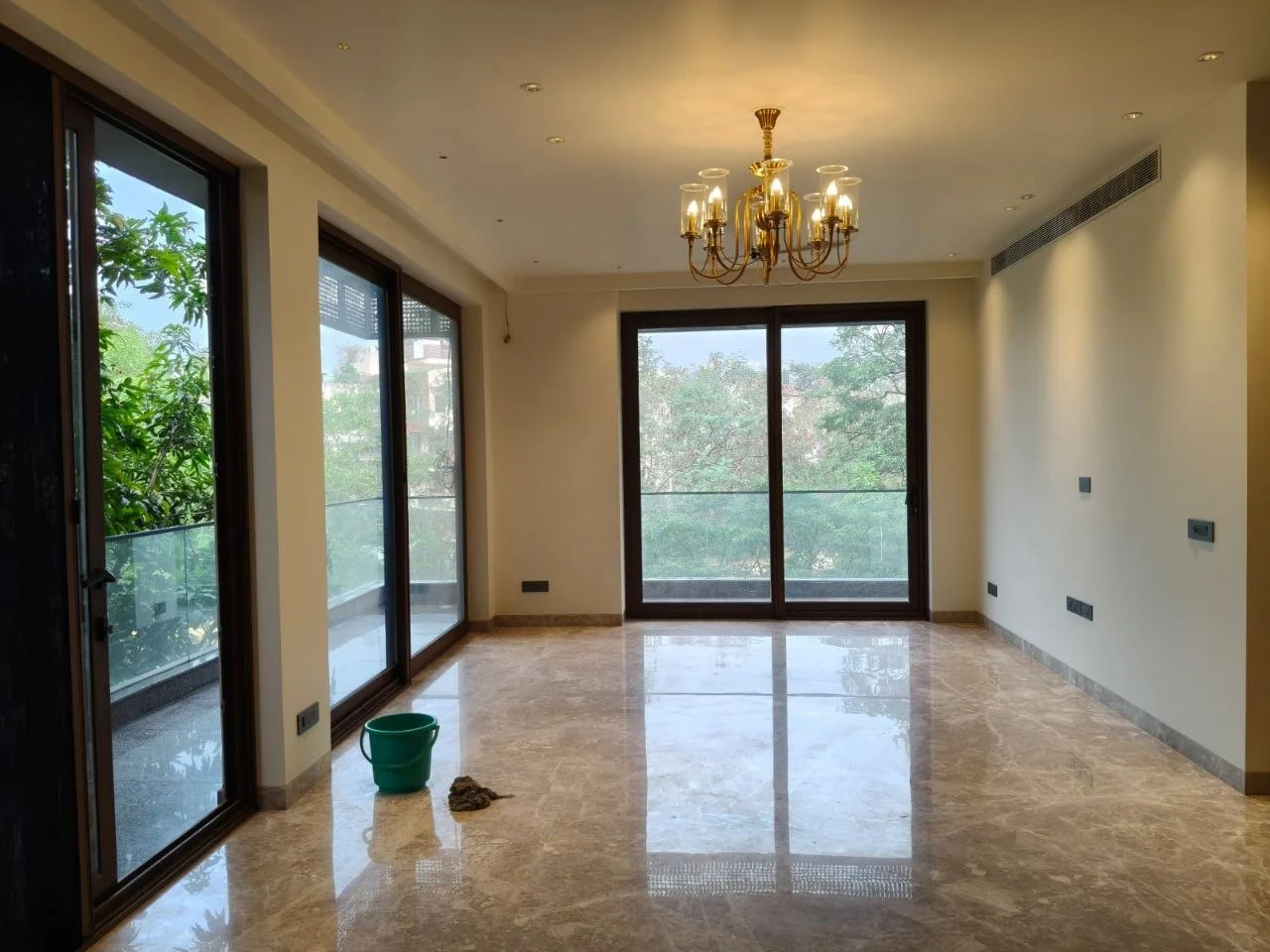
Property For Rent In Defence Colony Delhi
Property For Rent In Defence Colony Delhi: Prices, Locality And Best Options Finding the perfect property for rent in Defence Colony Delhi becomes easier when you know the locality, ren...
Read more...
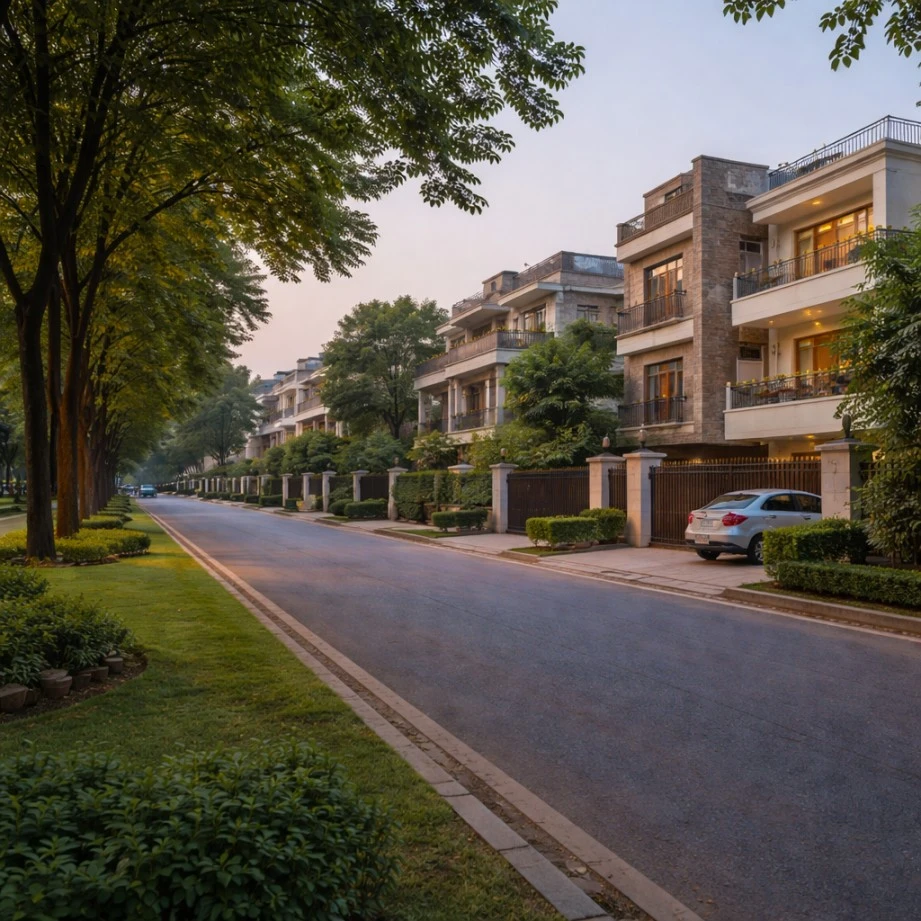
If you're searching for South Delhi real estate for foreigners, chances are you've already heard the same handful of neighborhood names over and over- Vasant Vihar, Chanakyapuri, Golf Links. There's a reason for that, and it isn't just word of mouth. It's how this part of the city has quietly organized itself around embassy staff, MNC executives, and long-term expat families for decades now.
Delhi as a whole can feel overwhelming, especially in the first few weeks. But South Delhi tends to be the exception. It's greener, better planned in most pockets, and a lot of the friction that trips up newcomers elsewhere in the city just isn't as sharp here. Still, renting in this part of town works a little differently than what most foreigners expect, and getting that wrong early on tends to cost time, money, or both.
The South Delhi rental market exists largely because of proximity. Chanakyapuri houses the bulk of the city's embassies, and the neighborhoods around it like Vasant Vihar, Shanti Niketan, Anand Niketan grew up around that diplomatic footprint.
Landlords in these pockets are used to foreign tenants, which honestly makes the whole process smoother than renting in an area where you'd be the first international tenant a landlord has ever dealt with.
There's also the matter of infrastructure. Good schools, many international ones, private hospitals nearby, wide tree lined roads, and a level of civic upkeep that's a step above most of the city. For embassy area property in Delhi, that combination of security, greenery, and access matters more than raw square footage.
Every area here has its own personality, so the "best" one really depends on what you're prioritizing.
If you're weighing luxury rental homes South Delhi has to offer, these six areas cover most of what shows up on a serious shortlist.
This is where a lot of assumptions from other cities fall apart. Rental structures here tend to be conservative by design, and that's not a bad thing once you understand why.
A few patterns that hold true across most of the South Delhi property for expats segment:
None of this is unusual once you're inside the system. It just doesn't match what people bring with them from other rental markets, and that mismatch is where most of the frustration starts.
Paperwork moves slower here than in a lot of Western rental markets, mostly because landlords and agents are careful about who they let into a property. Having your documents ready ahead of time cuts weeks off the process.
Following are usually required:
Missing Form C is a more common issue than you'd expect, and it can create real complications later, so it's worth raising early with whoever's managing the property.
Security in South Delhi isn't only about gates and guards, though there's plenty of that too.
It's more about the overall predictability of a neighborhood: how quickly a management office responds, whether the streets are well lit, whether the same faces show up in the market every week. For diplomatic families especially, that kind of quiet consistency tends to matter more than any single security feature.
Police patrolling is noticeably tighter around Chanakyapuri and Vasant Vihar given the diplomatic presence, and most gated communities across South Delhi run their own CCTV and RWA-managed security on top of that.
Combine that with proximity to international schools, private hospitals and organized shopping from Khan Market, Select Citywalk or DLF Emporio and you get a version of Delhi that's genuinely livable for a first-time expat family.
A few patterns repeat often enough that they're worth being mentioned:
None of these are dramatic mistakes on their own. But stacked together, they're usually what turns a smooth relocation into a stressful one.
South Delhi's rental market for foreigners doesn't run purely on listings and prices the way a lot of international markets do. A good chunk of the best properties here; the ones owners consider too private or too prestigious to advertise publicly, never make it onto portals at all.
A local consultant with genuine relationships in Vasant Vihar, Chanakyapuri, or Golf Links can access these directly, which matters a lot if you're on a tight relocation timeline.
At Rental South Delhi, we've spent years working exclusively within this market, helping diplomats, MNC executives, and international organizations settle into homes that fit both their budget and their expectations.
If you're relocating to South Delhi and want a shortlist that actually matches what you're looking for, be it furnished or unfurnished, independent floor or bungalow, reach out and we'll walk you through it directly.
South Delhi real estate rewards a bit of patience and the right guidance early on. Get those two things right, and the rest of the move tends to fall into place faster than most people expect.
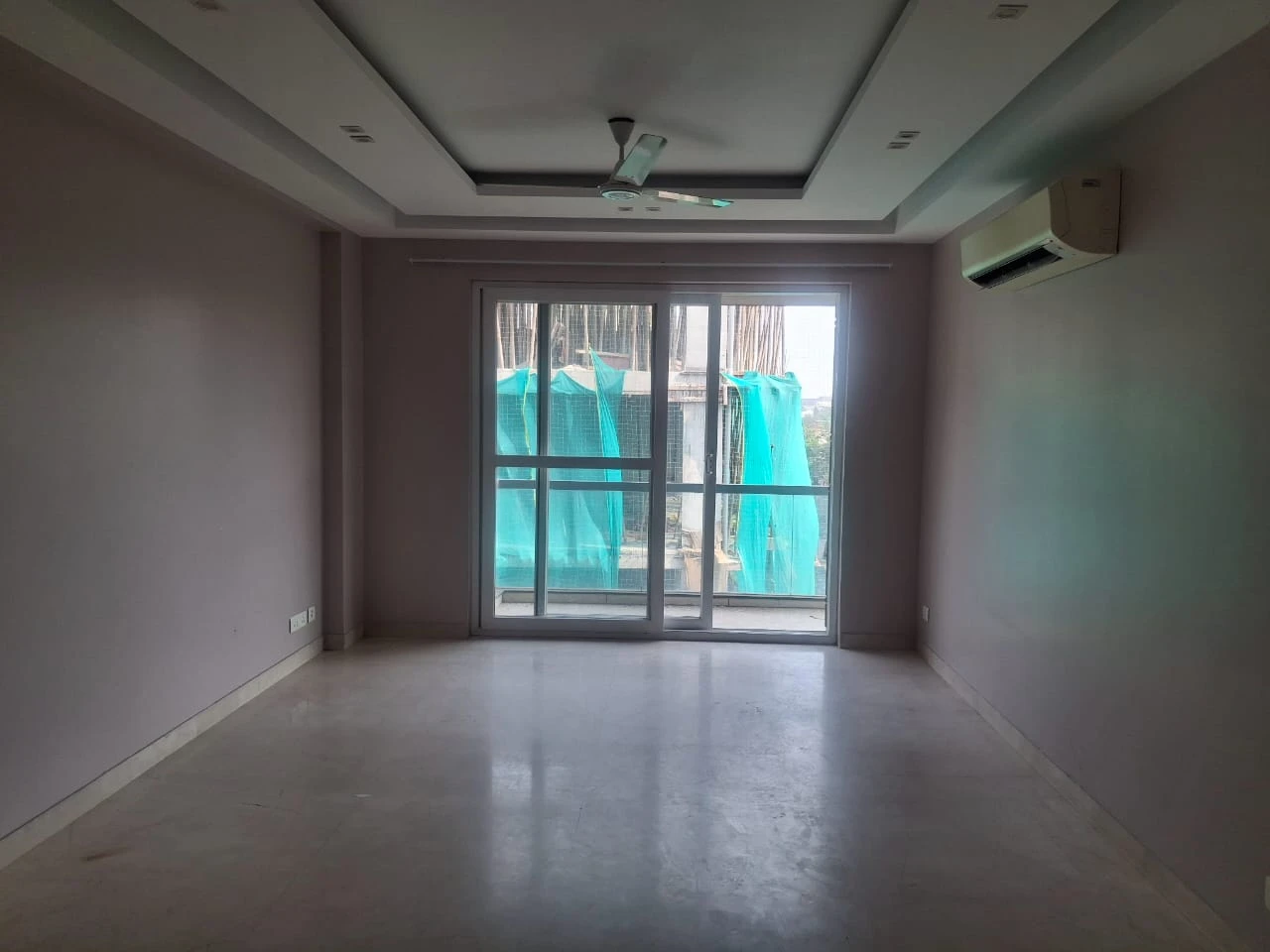
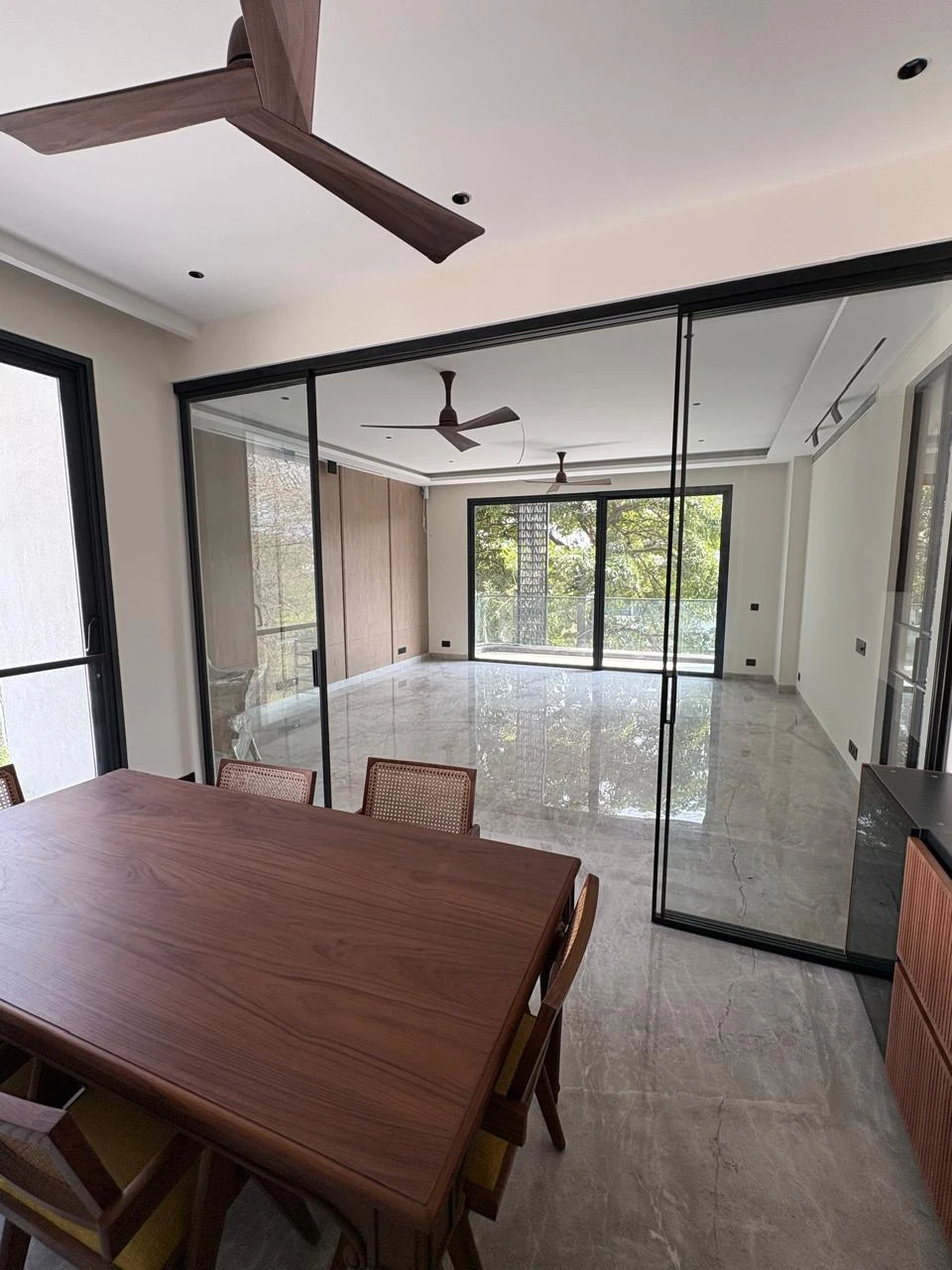
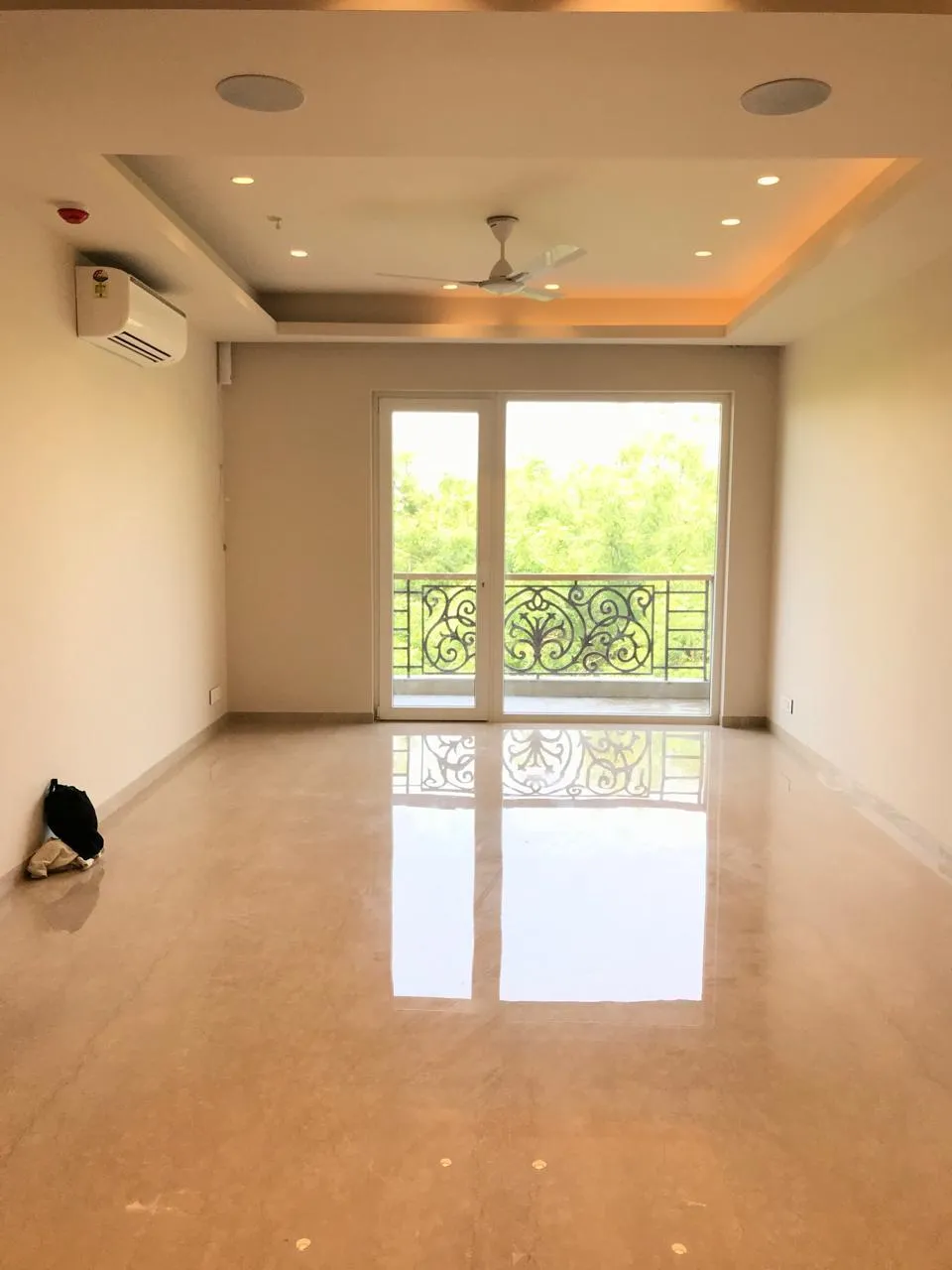
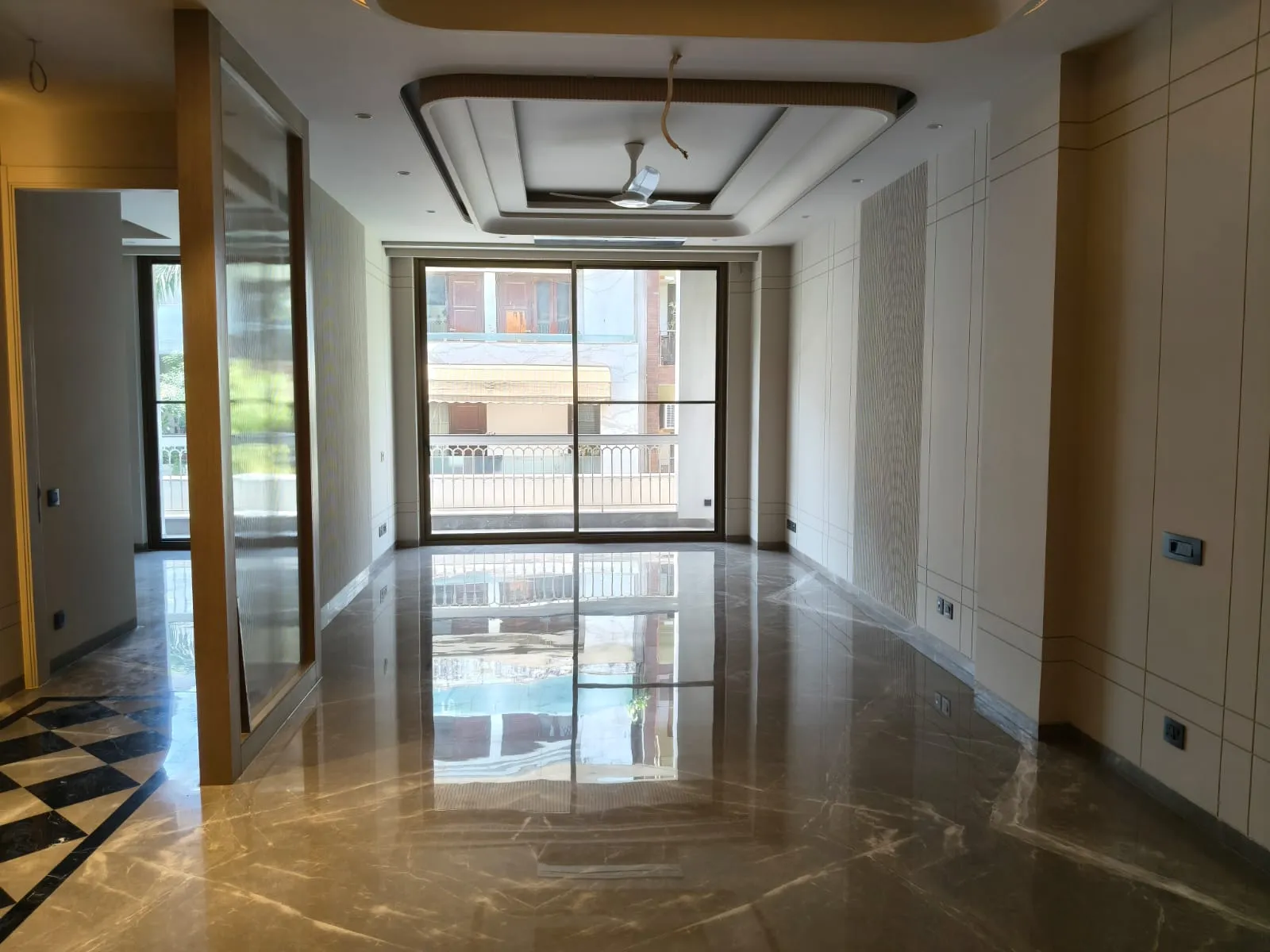
View Property: 4 BHK Apartment For Rent In South Delhi
Property For Rent In Defence Colony Delhi: Prices, Locality And Best Options Finding the perfect property for rent in Defence Colony Delhi becomes easier when you know the locality, ren...
Read more...
Find A House For Rent In Defence Colony Delhi Are you looking for a house for rent in Defence Colony Delhi? We understand it's not only about deciding on a place to live, but it'...
Read more...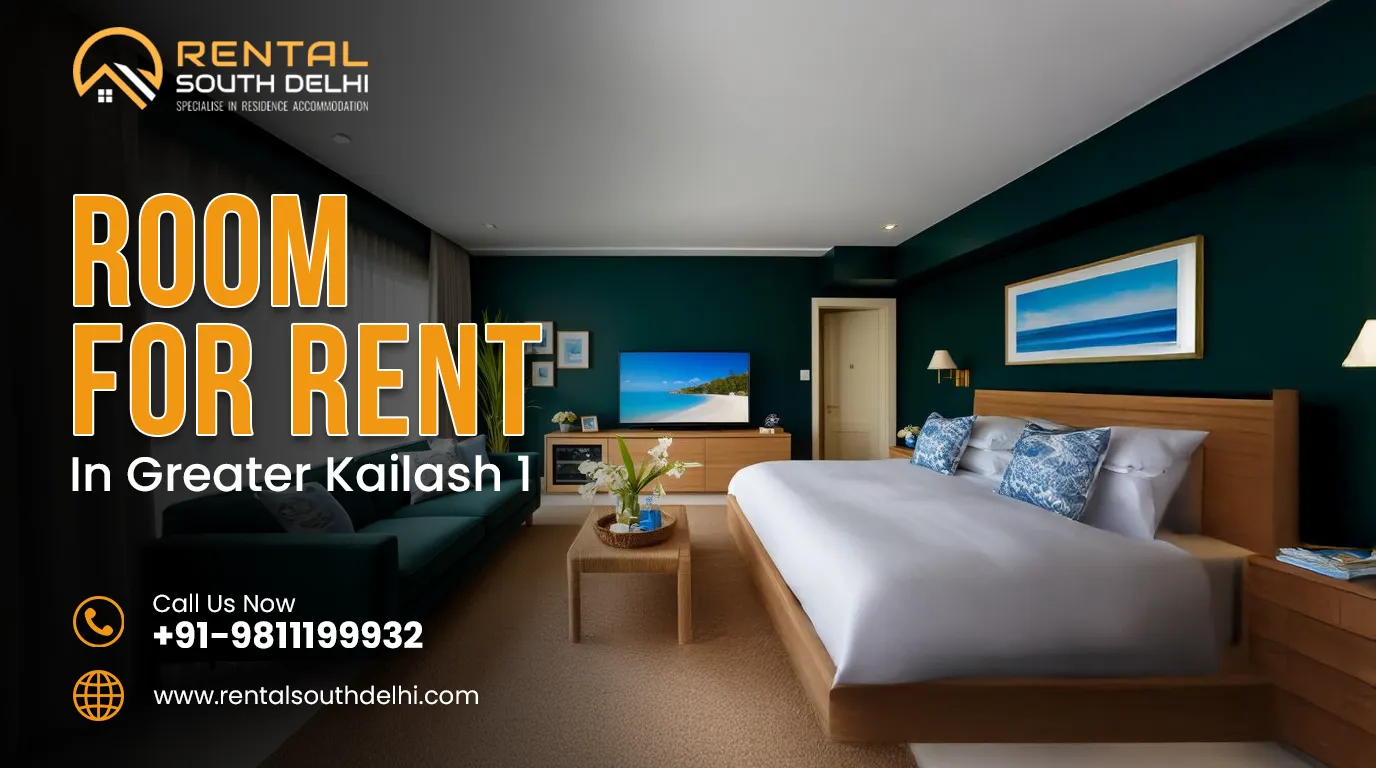
Room For Rent In Greater Kailash 1 If you've been searching for a room for rent in Greater Kailash 1 and actually finding what you want feels like it's taking forever, you'r...
Read more...Stand-Alone Apartment | Penthouse Villas | Inependent Bungalows | Un/Furnished Homes | Independent House with drive-way | Apartment with Terrace Garden