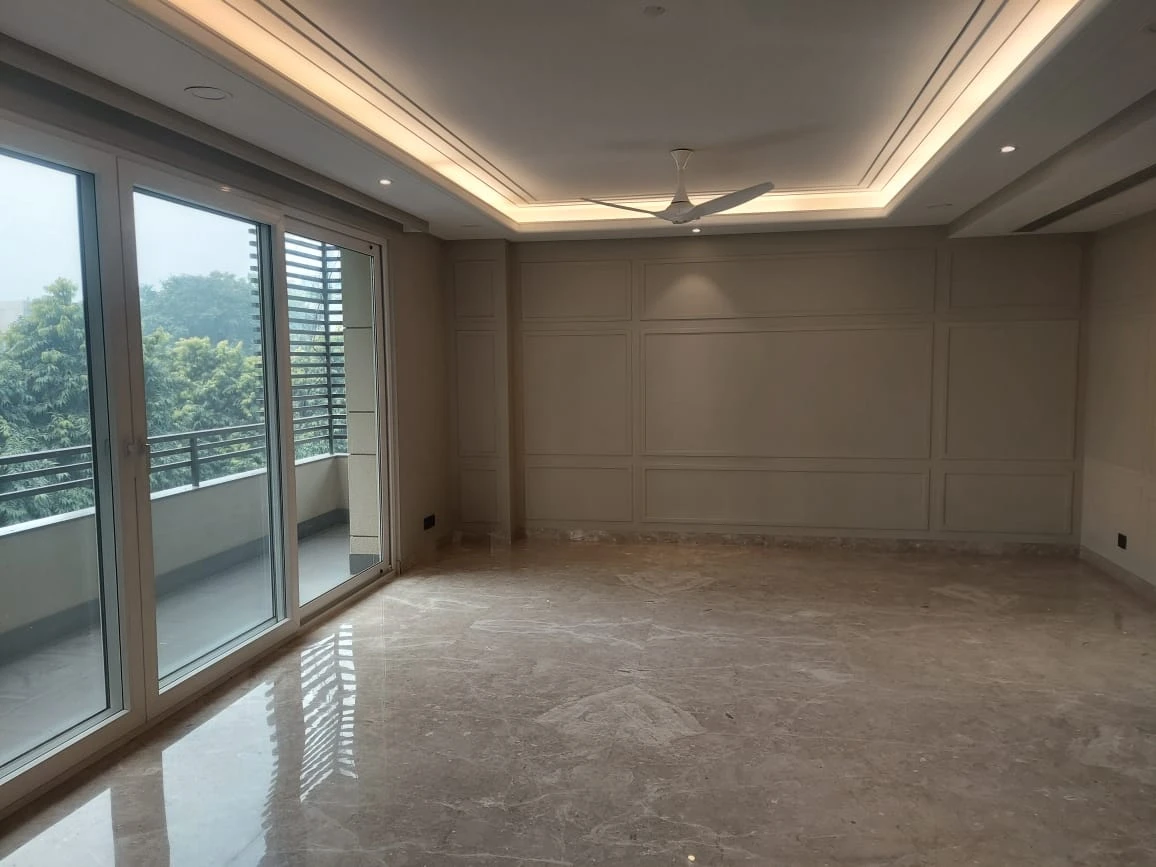
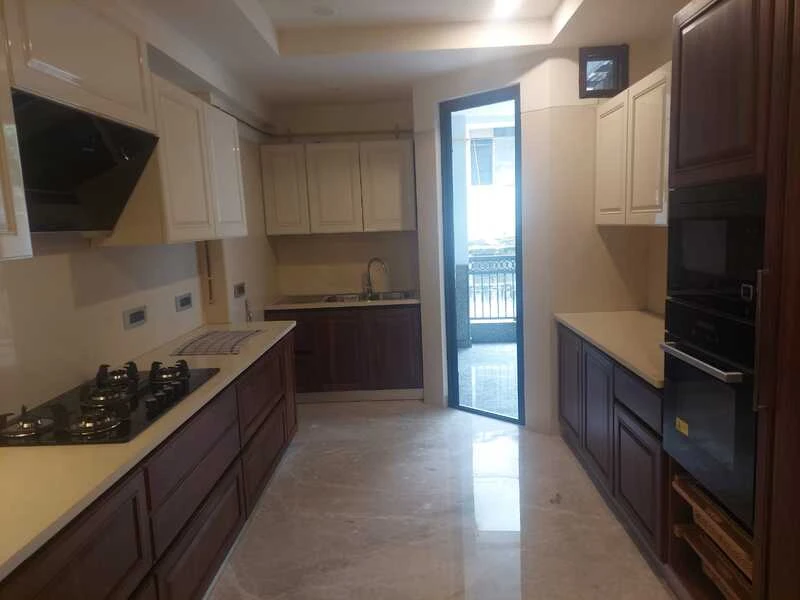
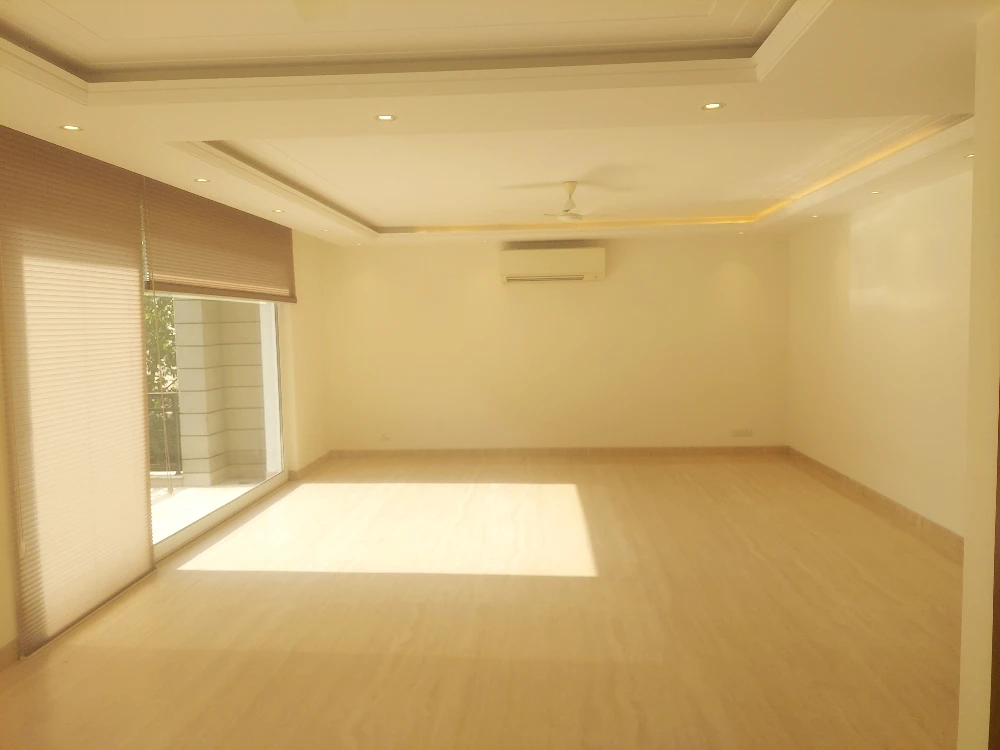
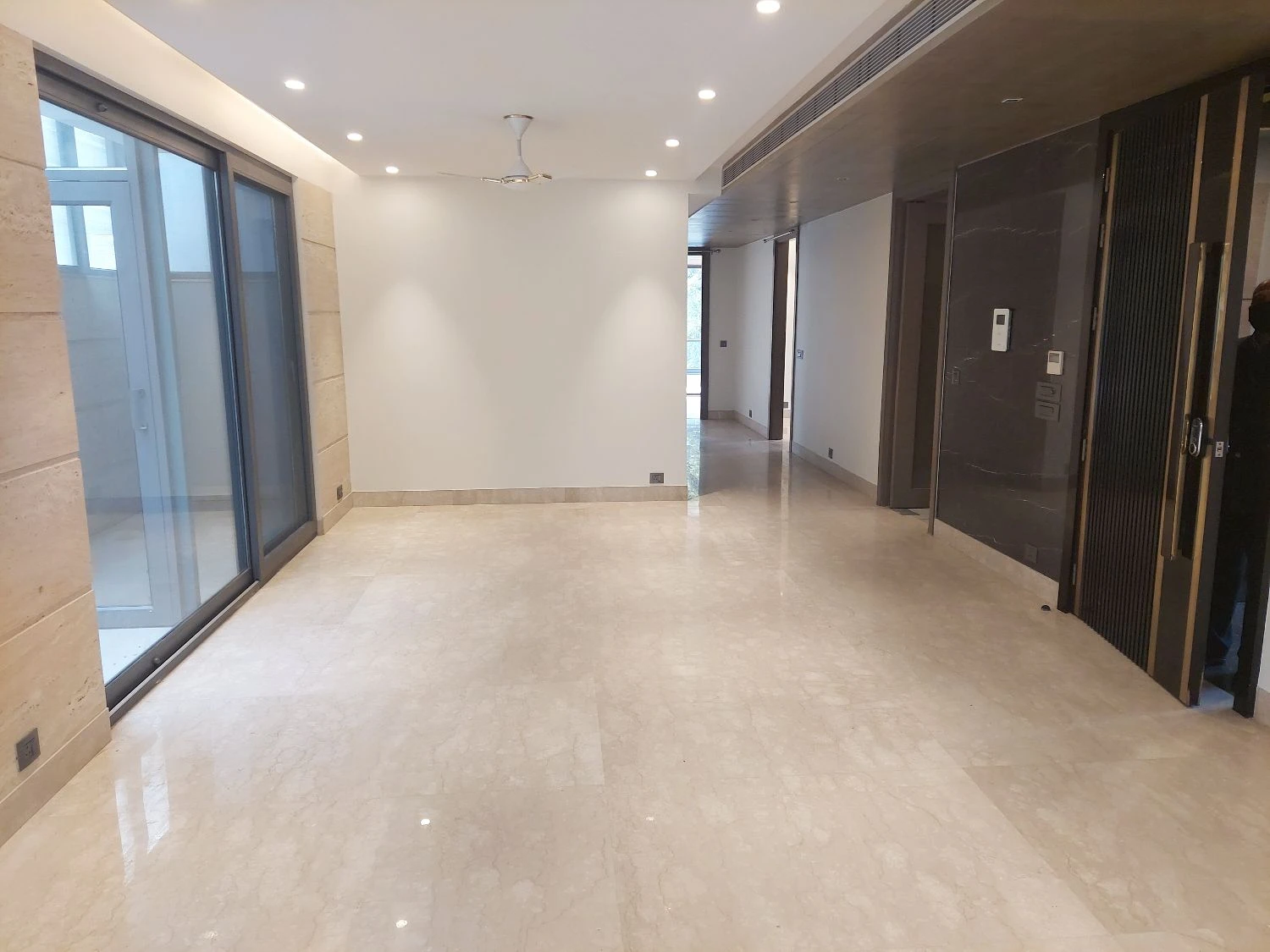
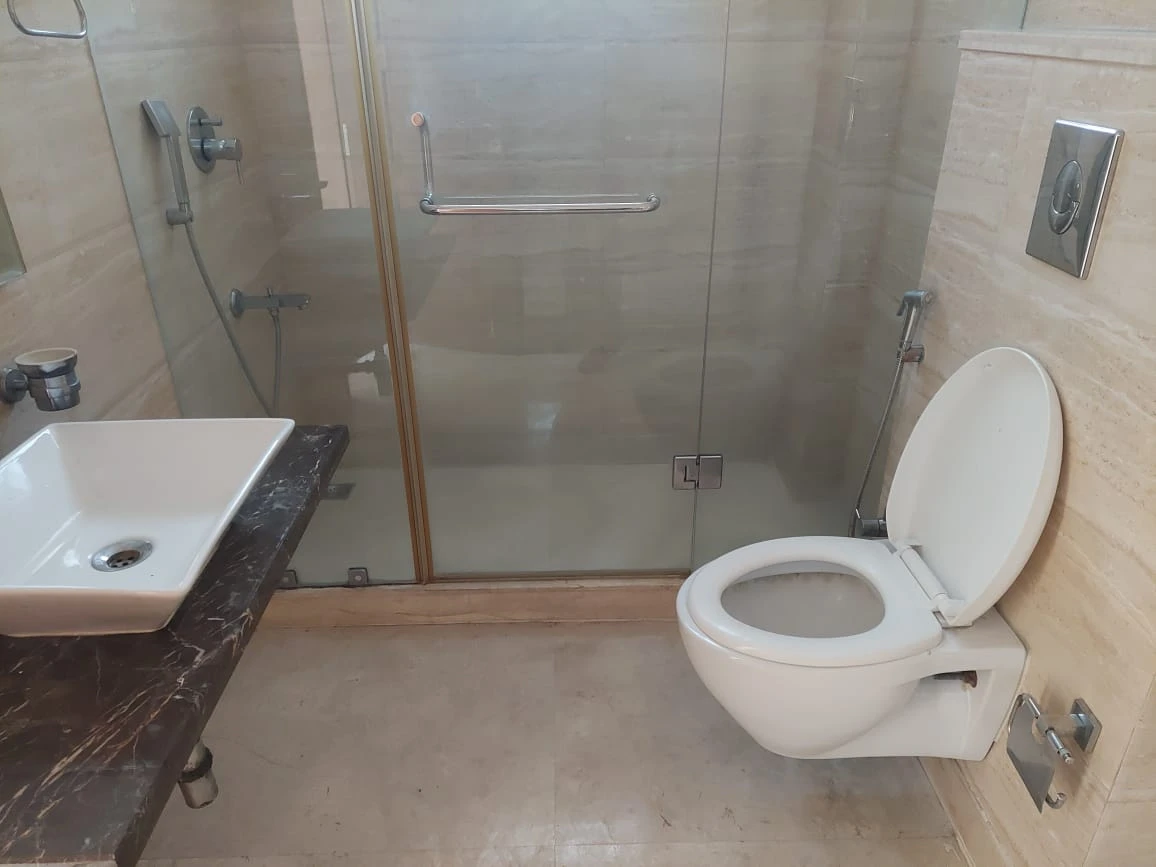
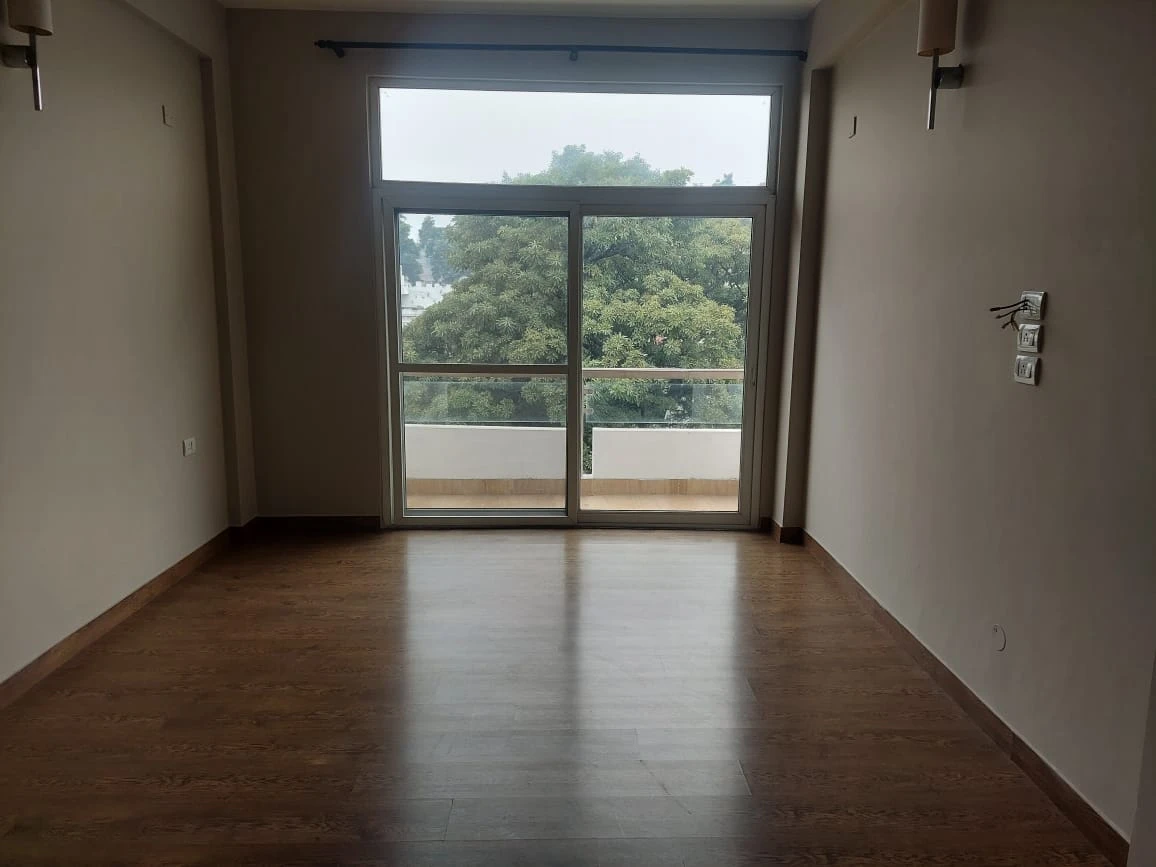
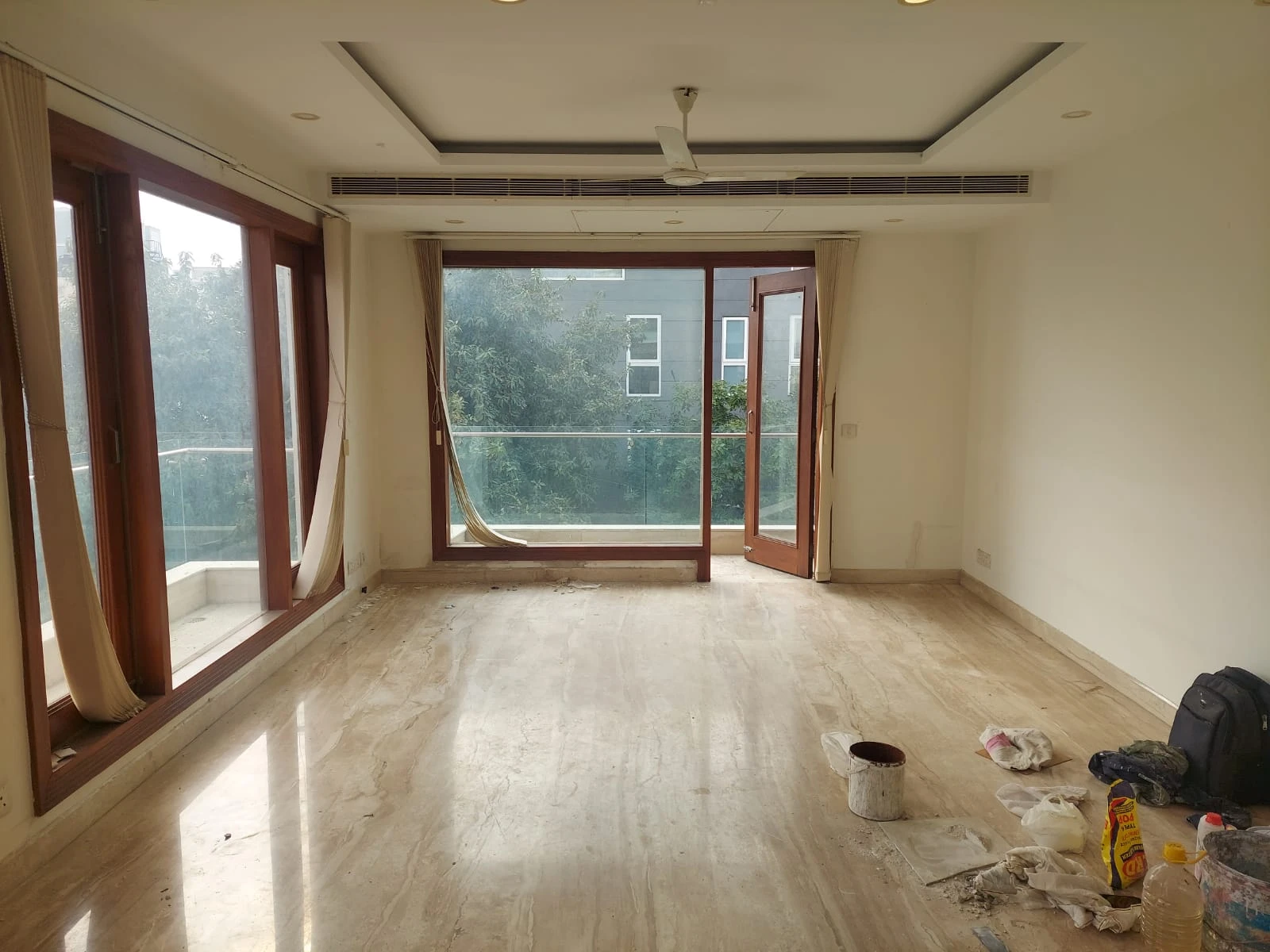
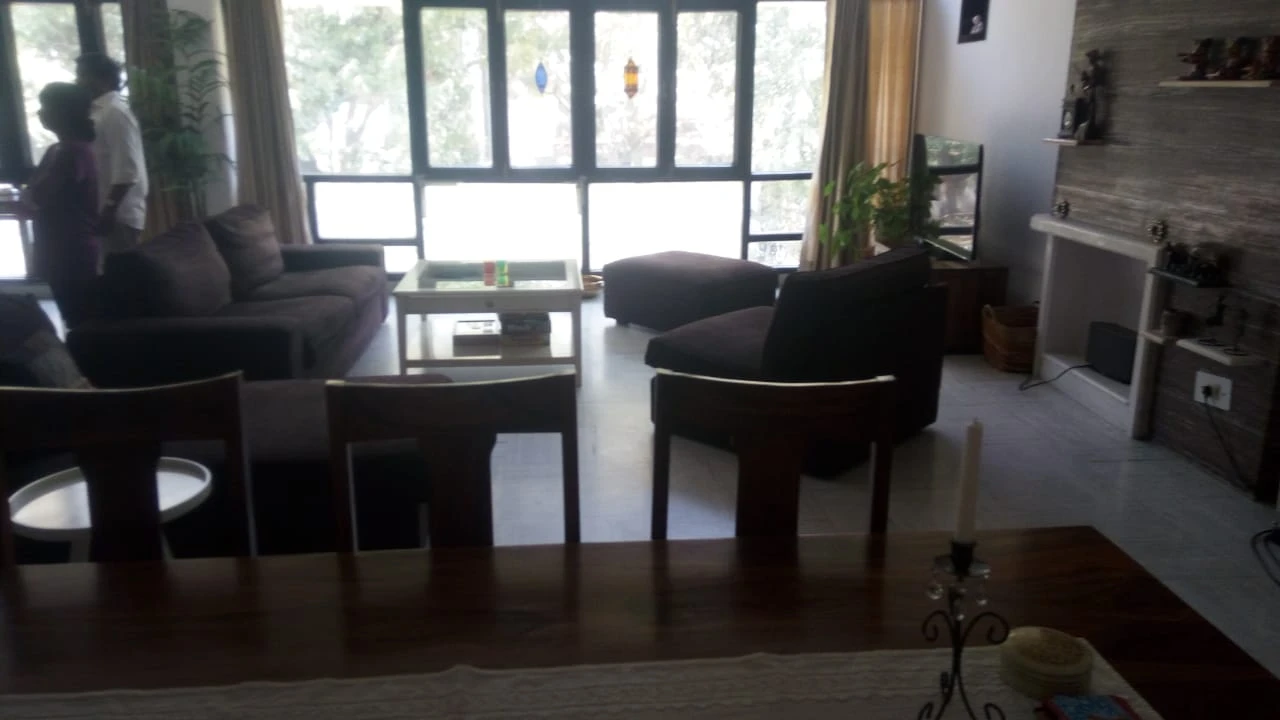
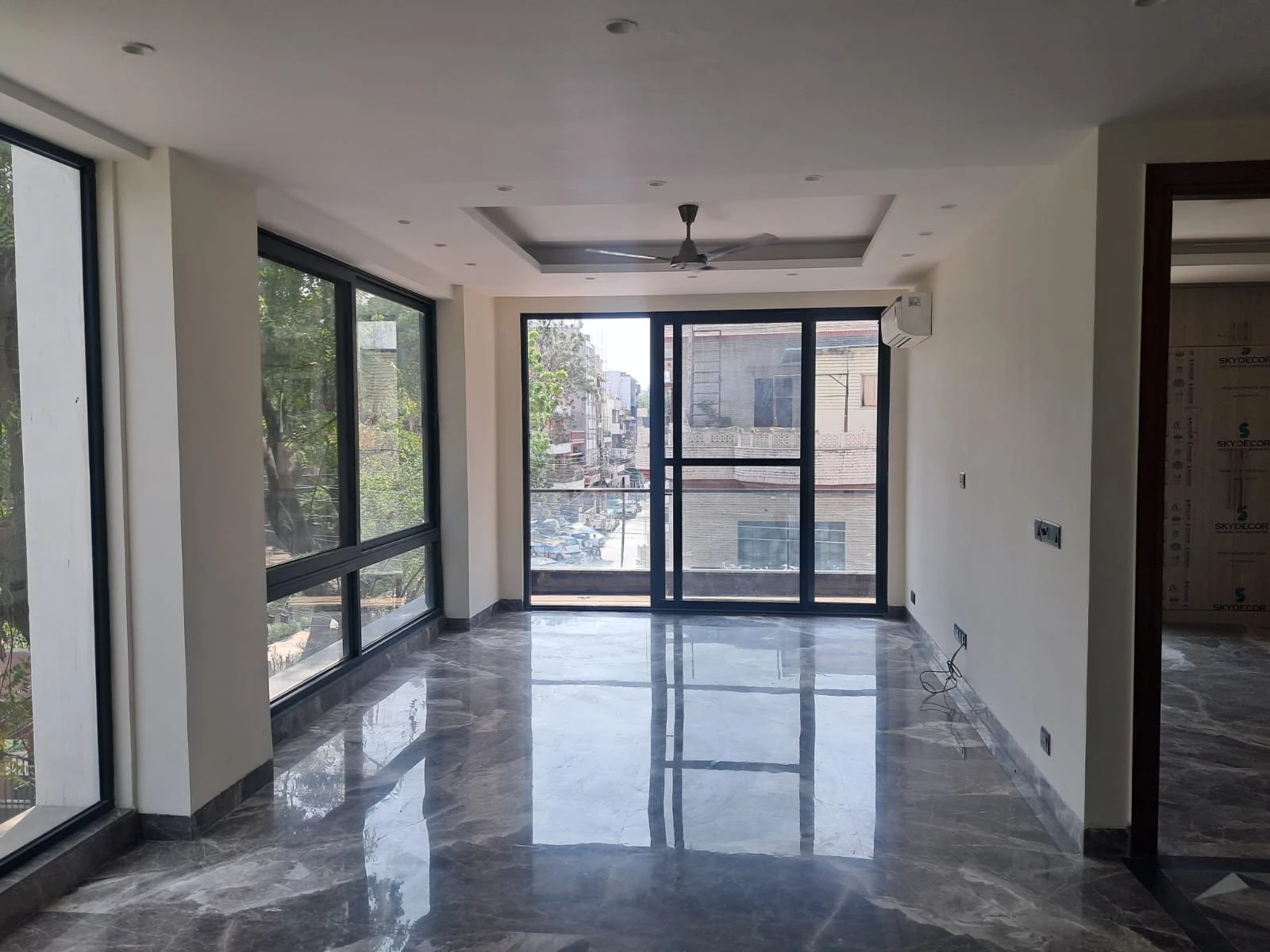
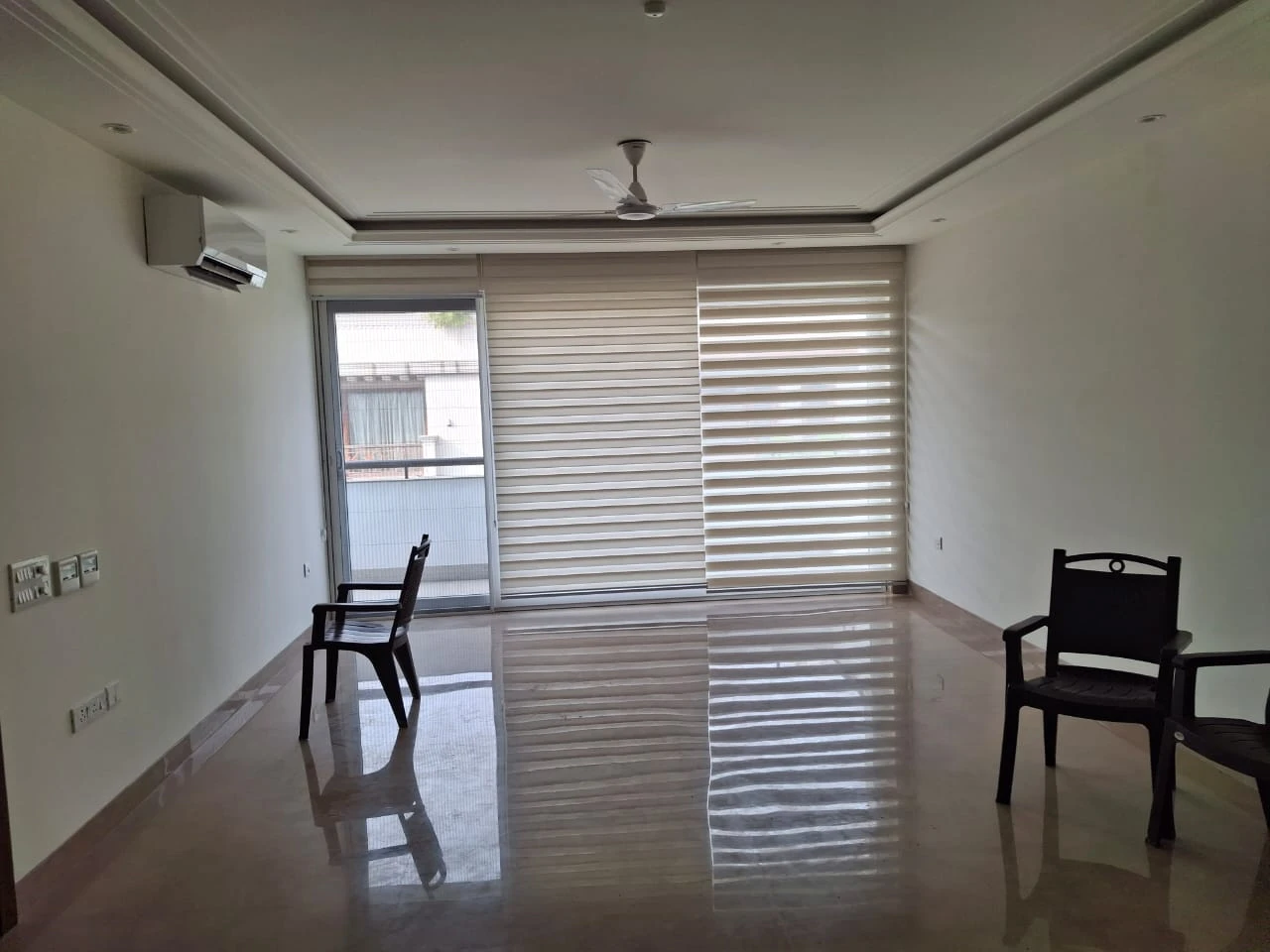
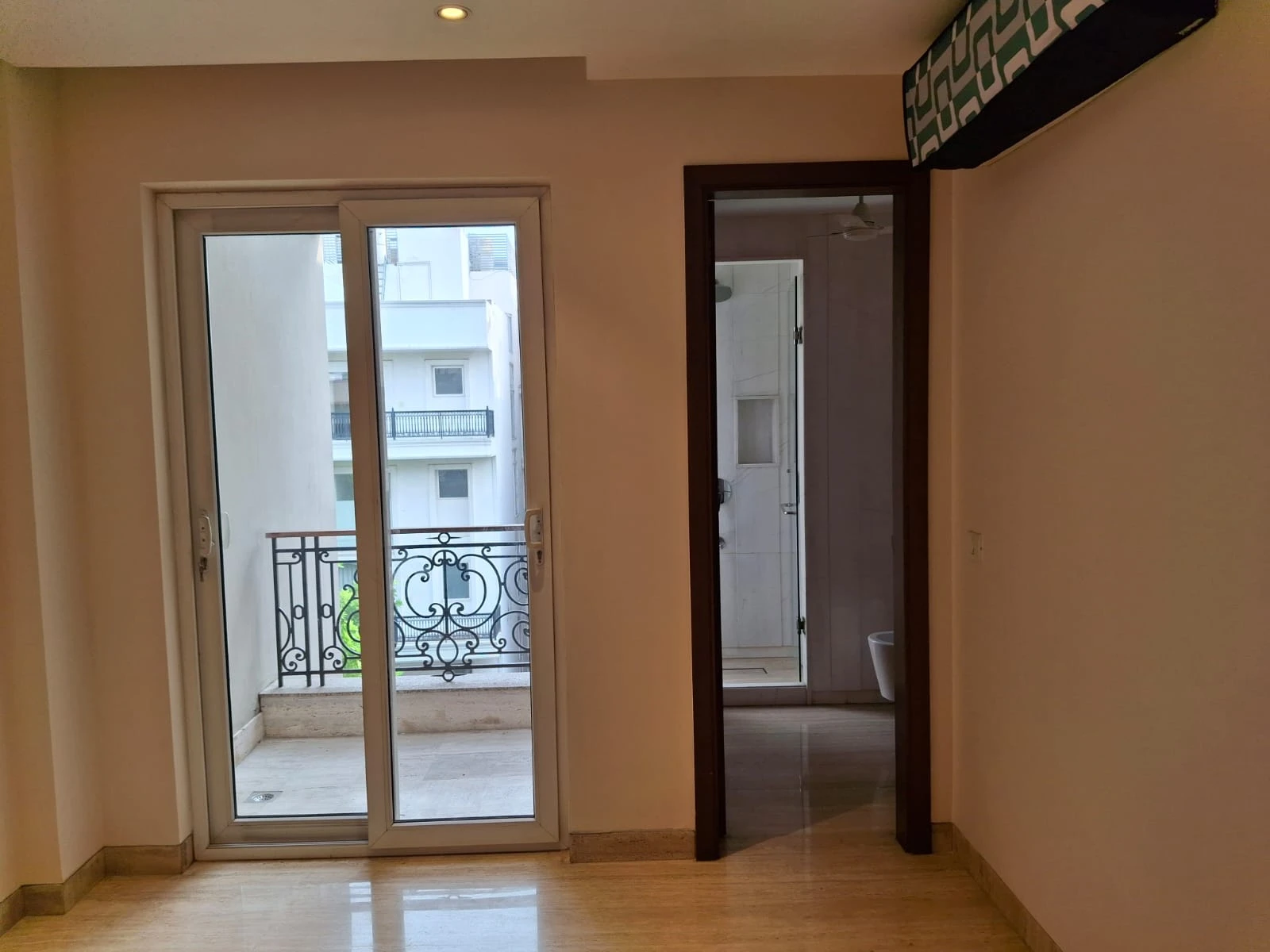
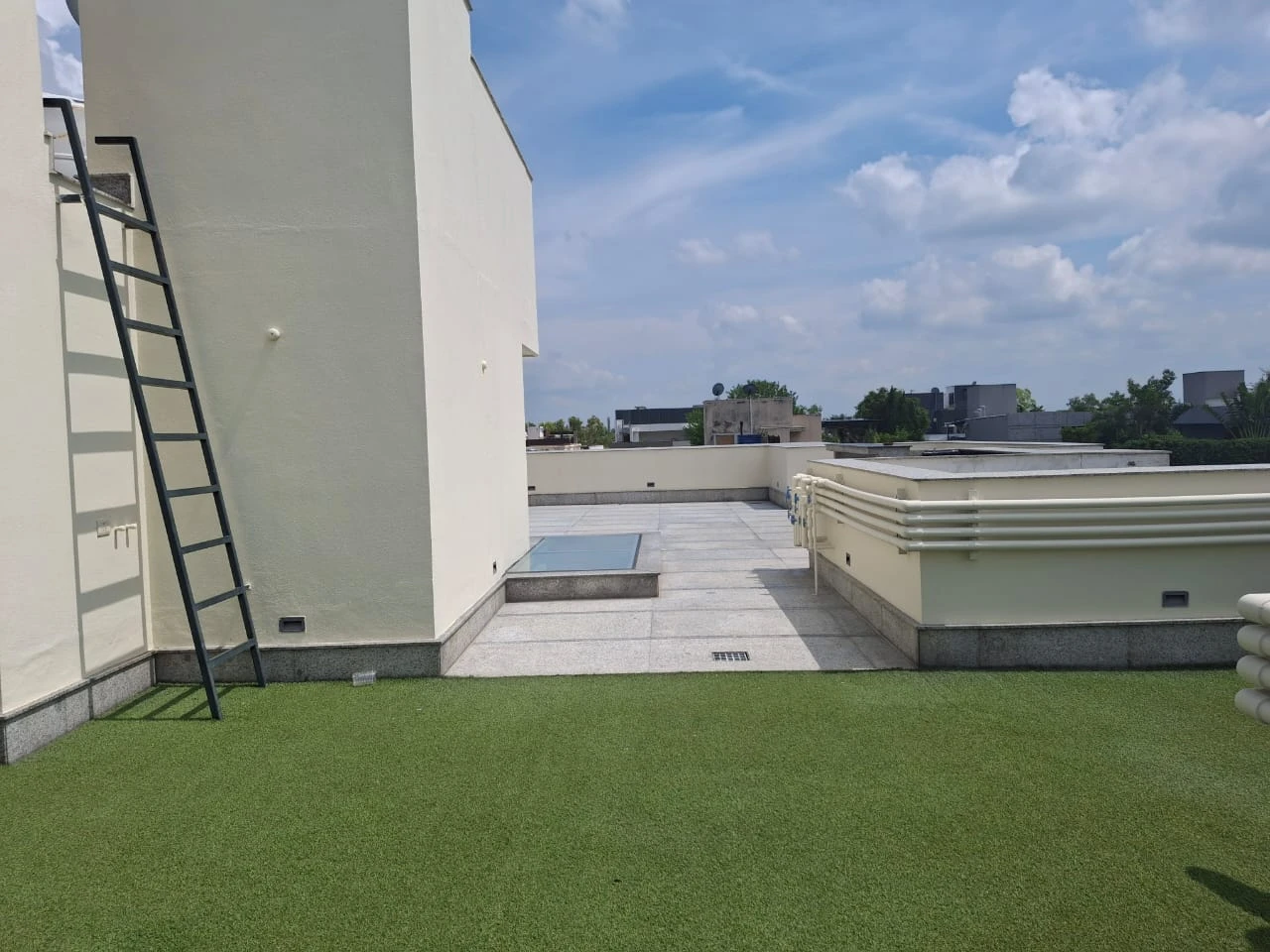
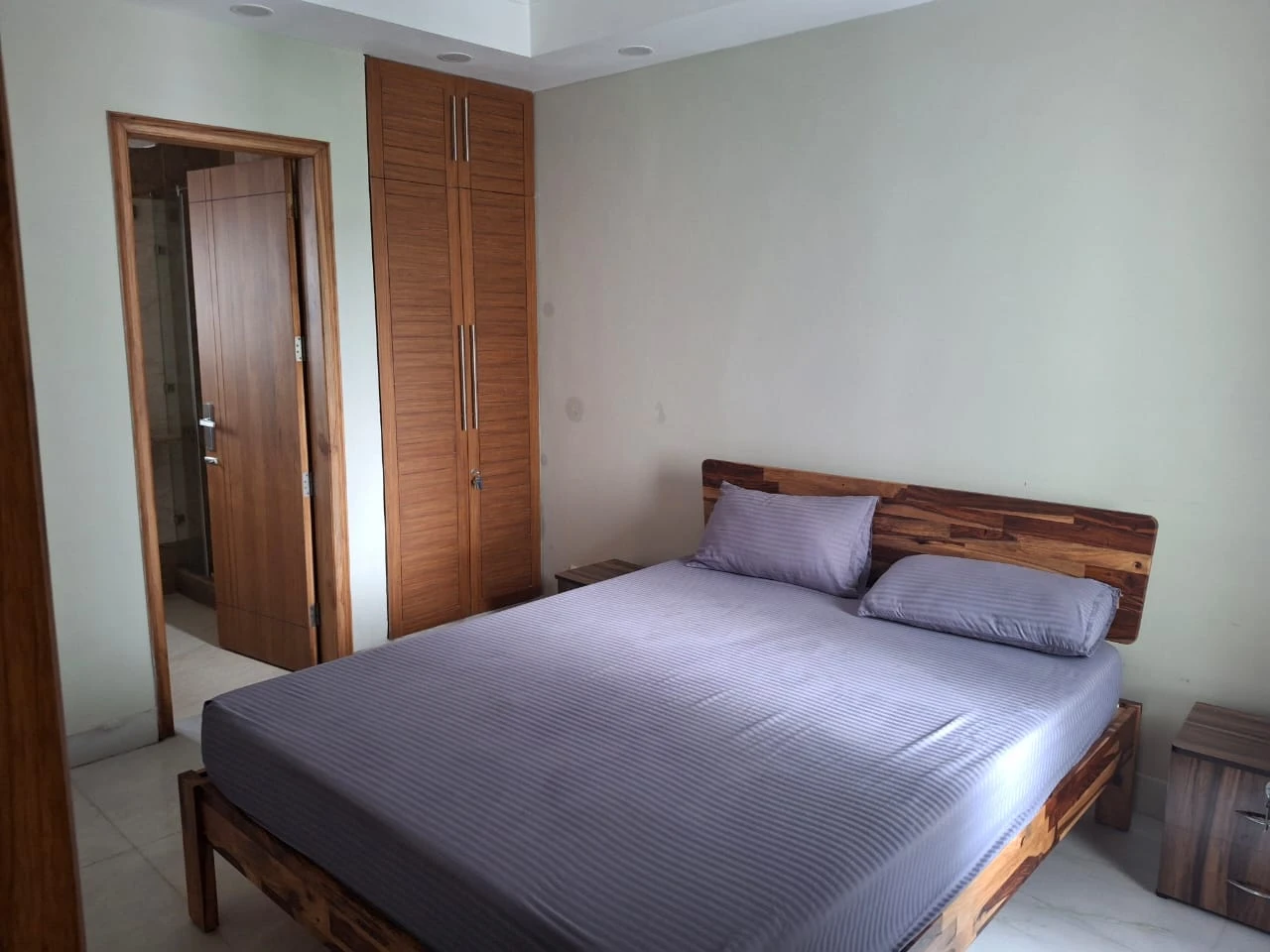
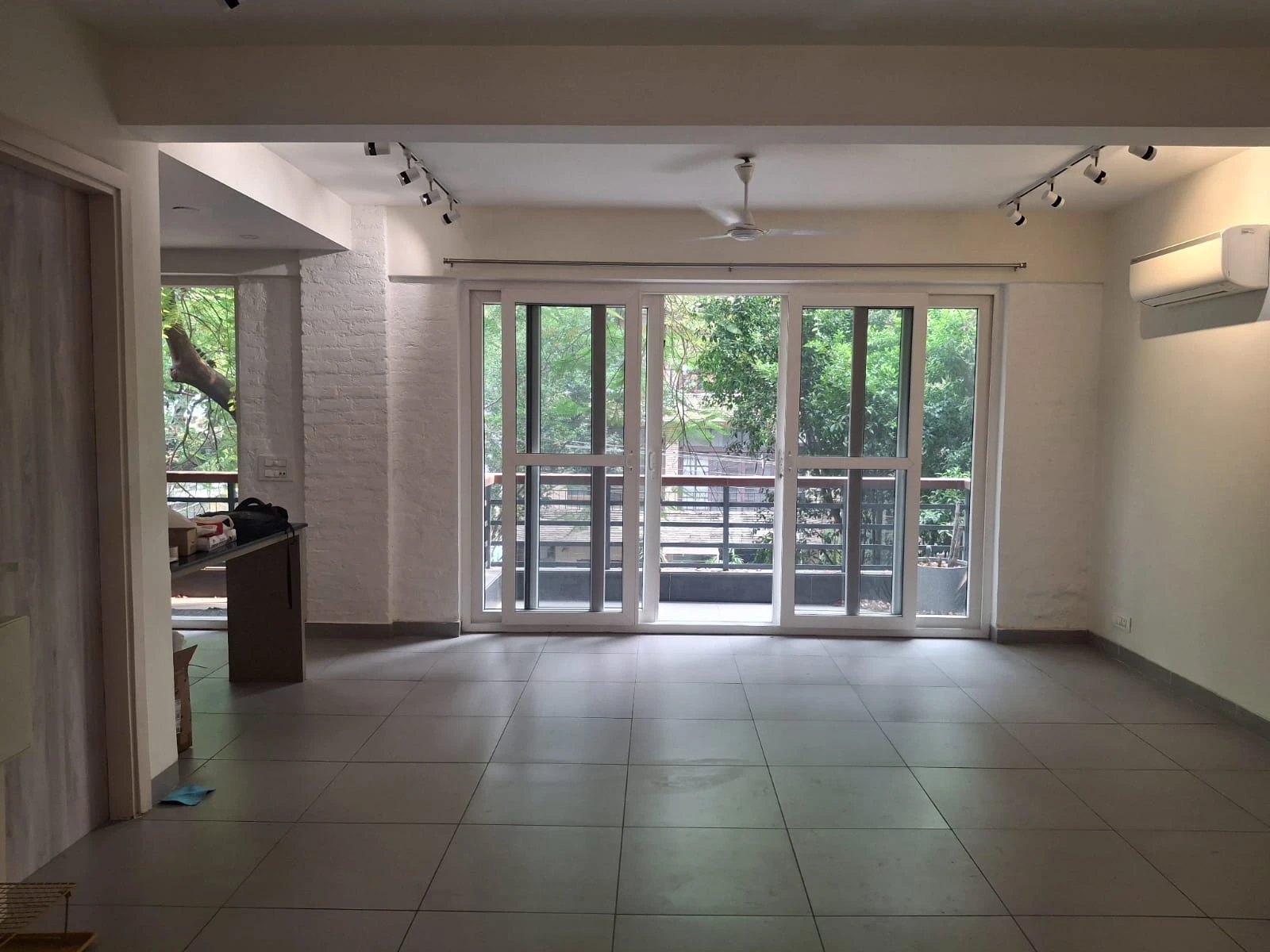
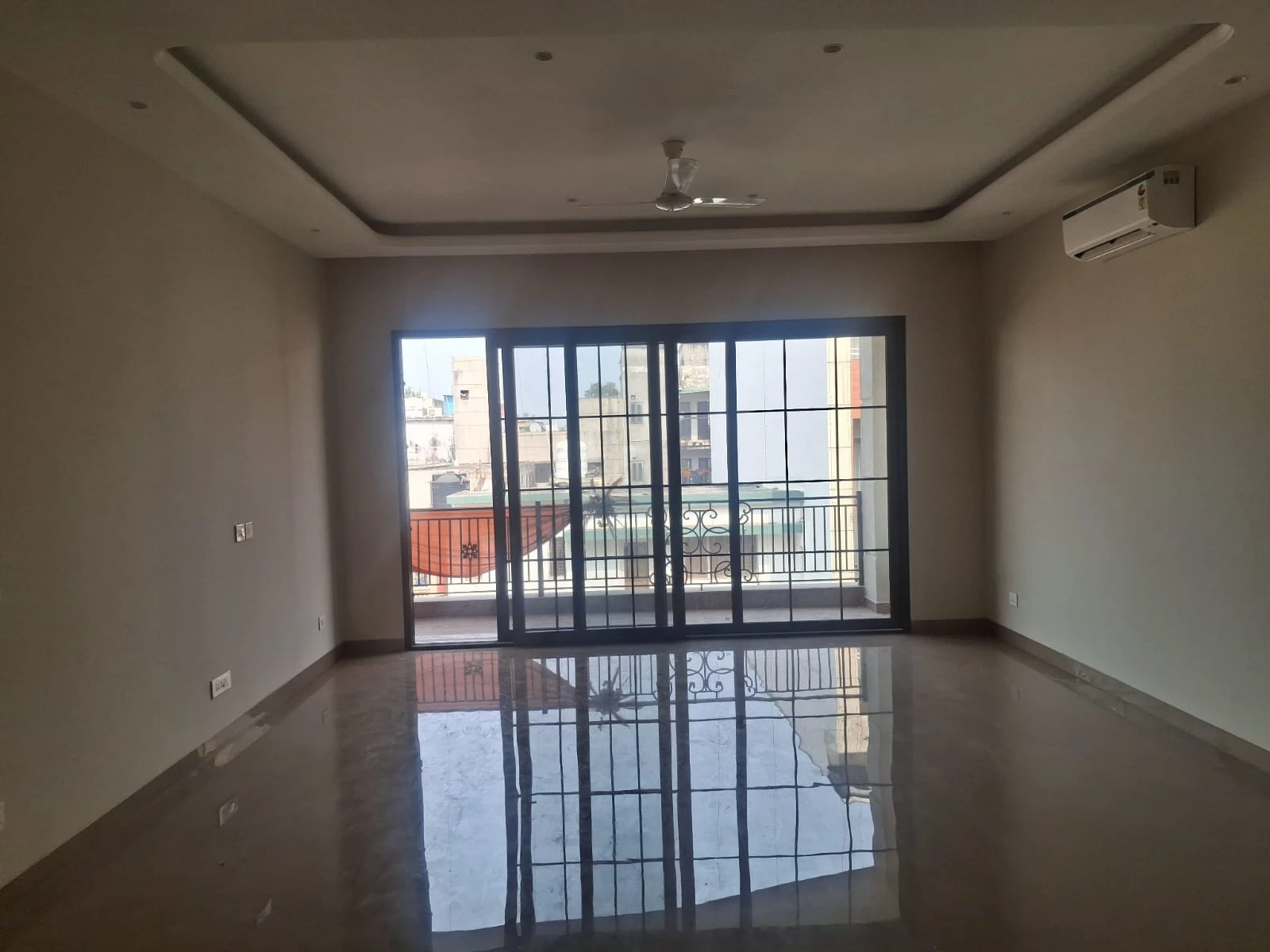
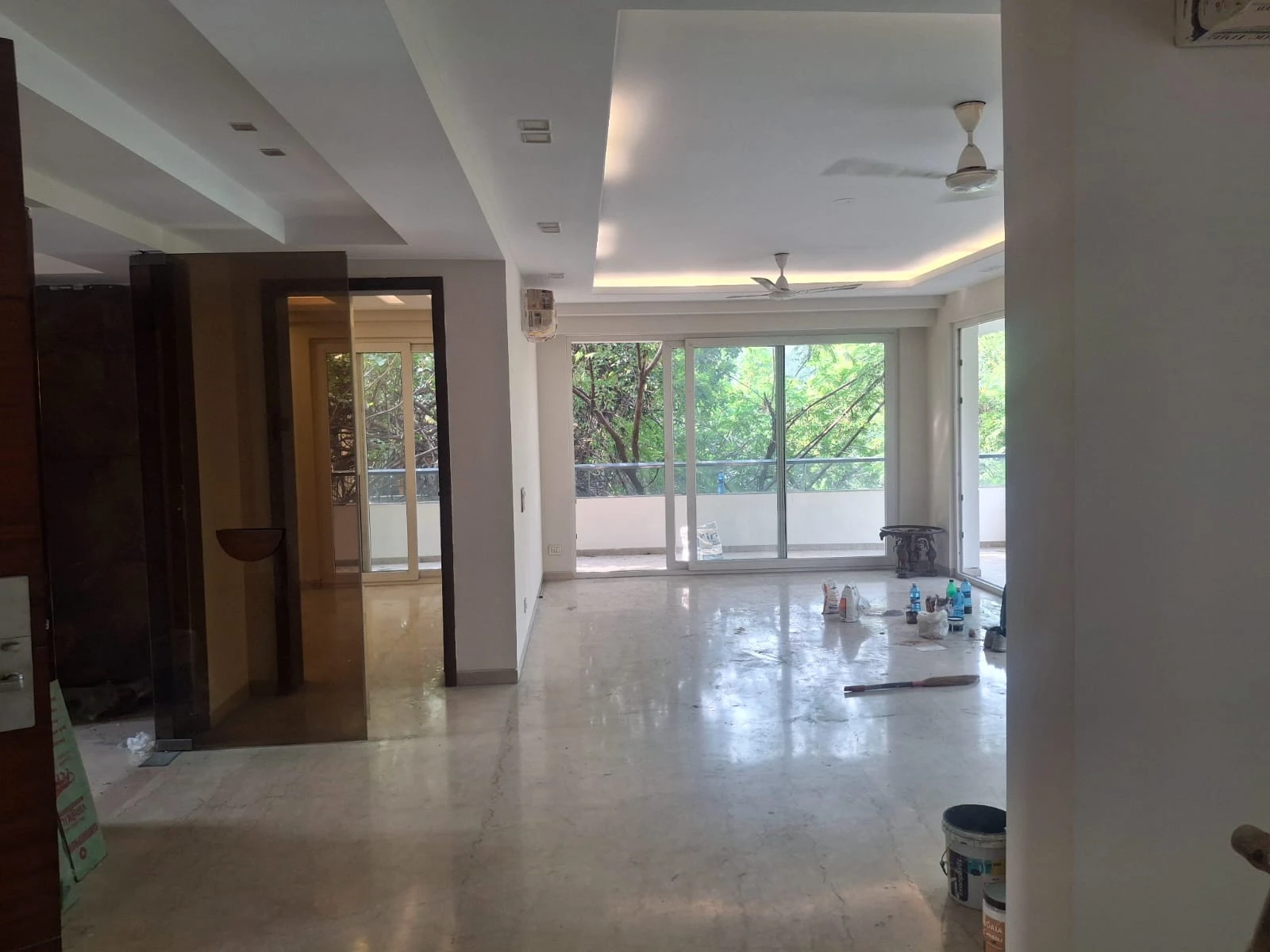
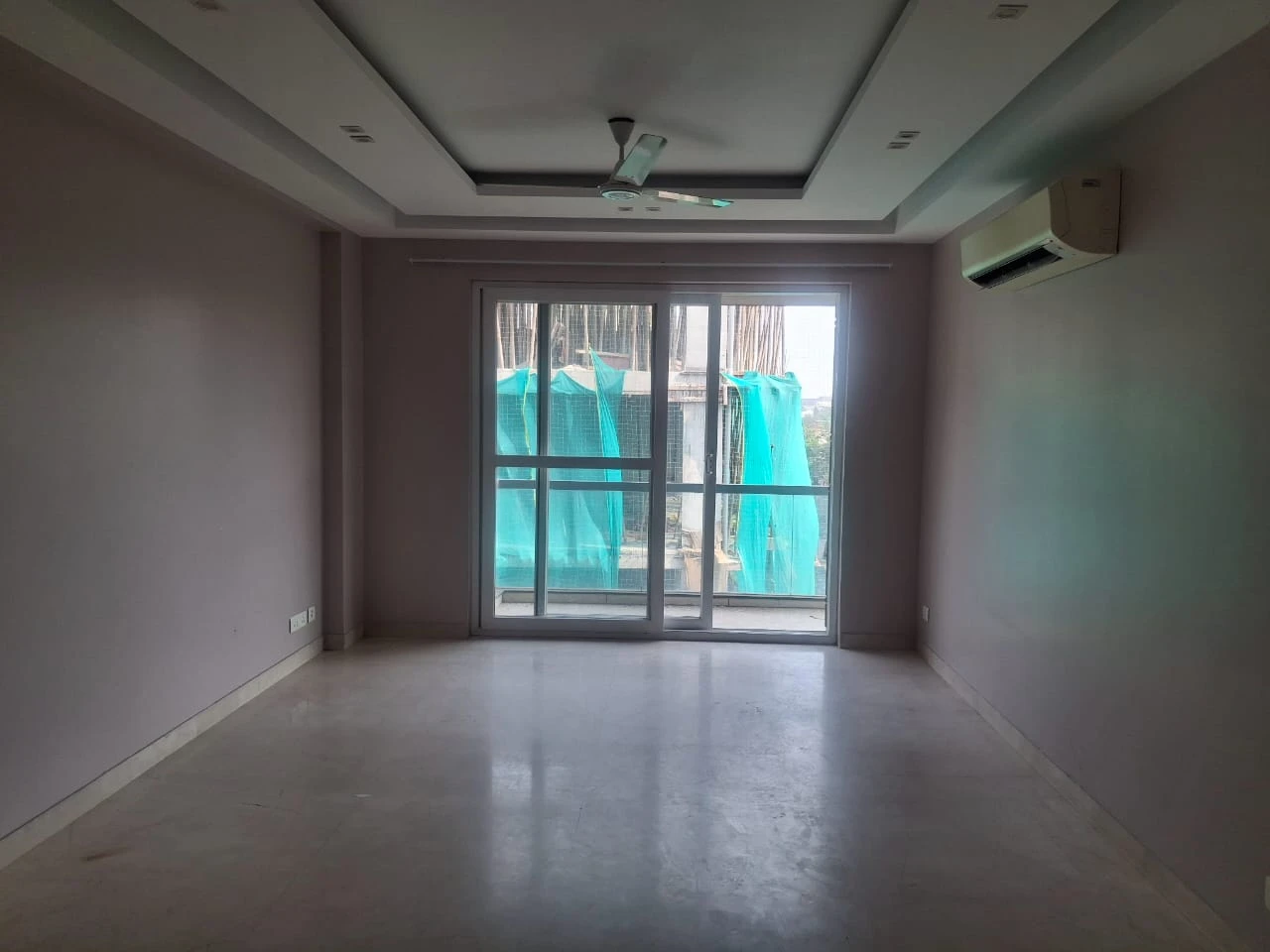
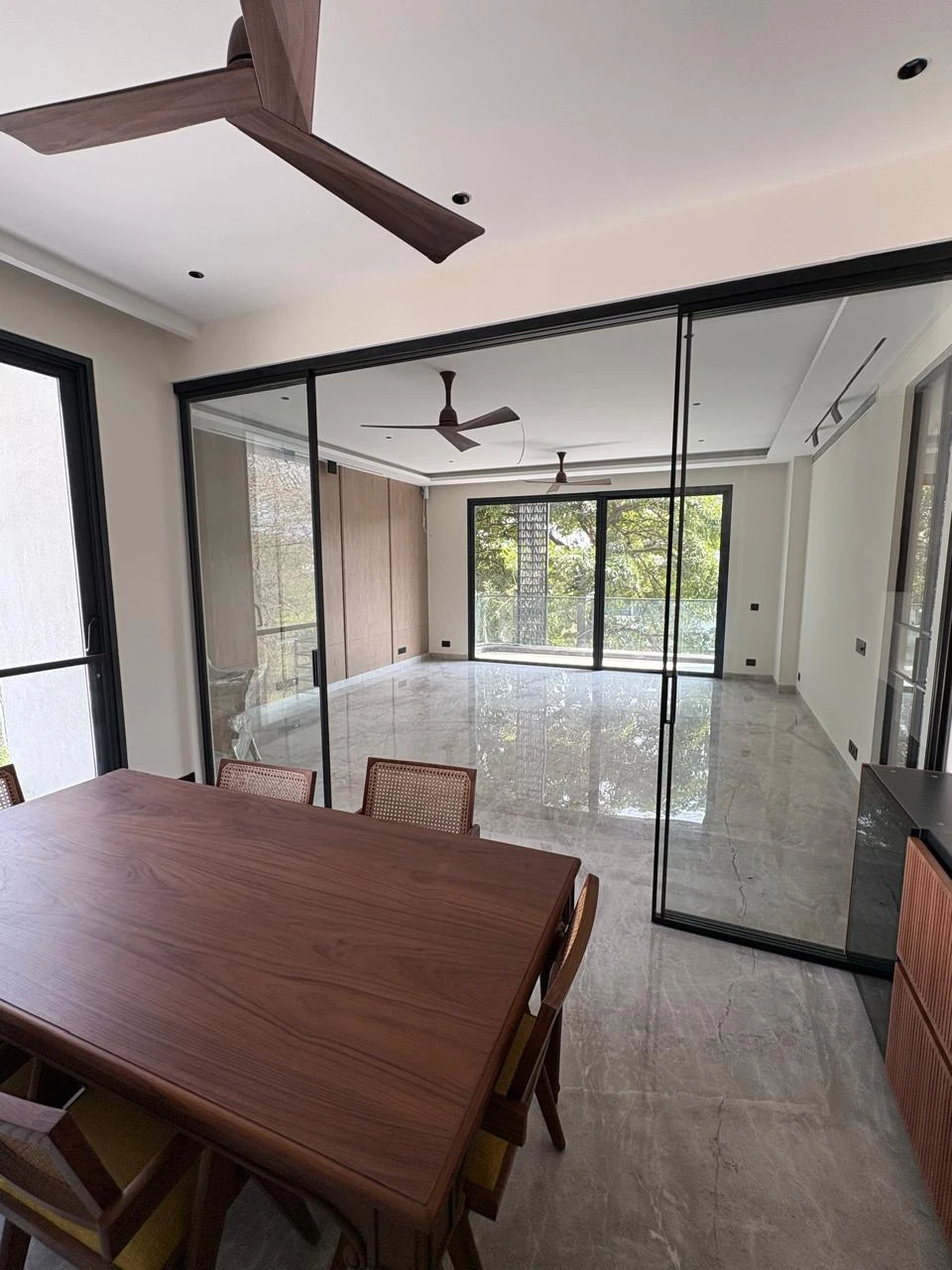
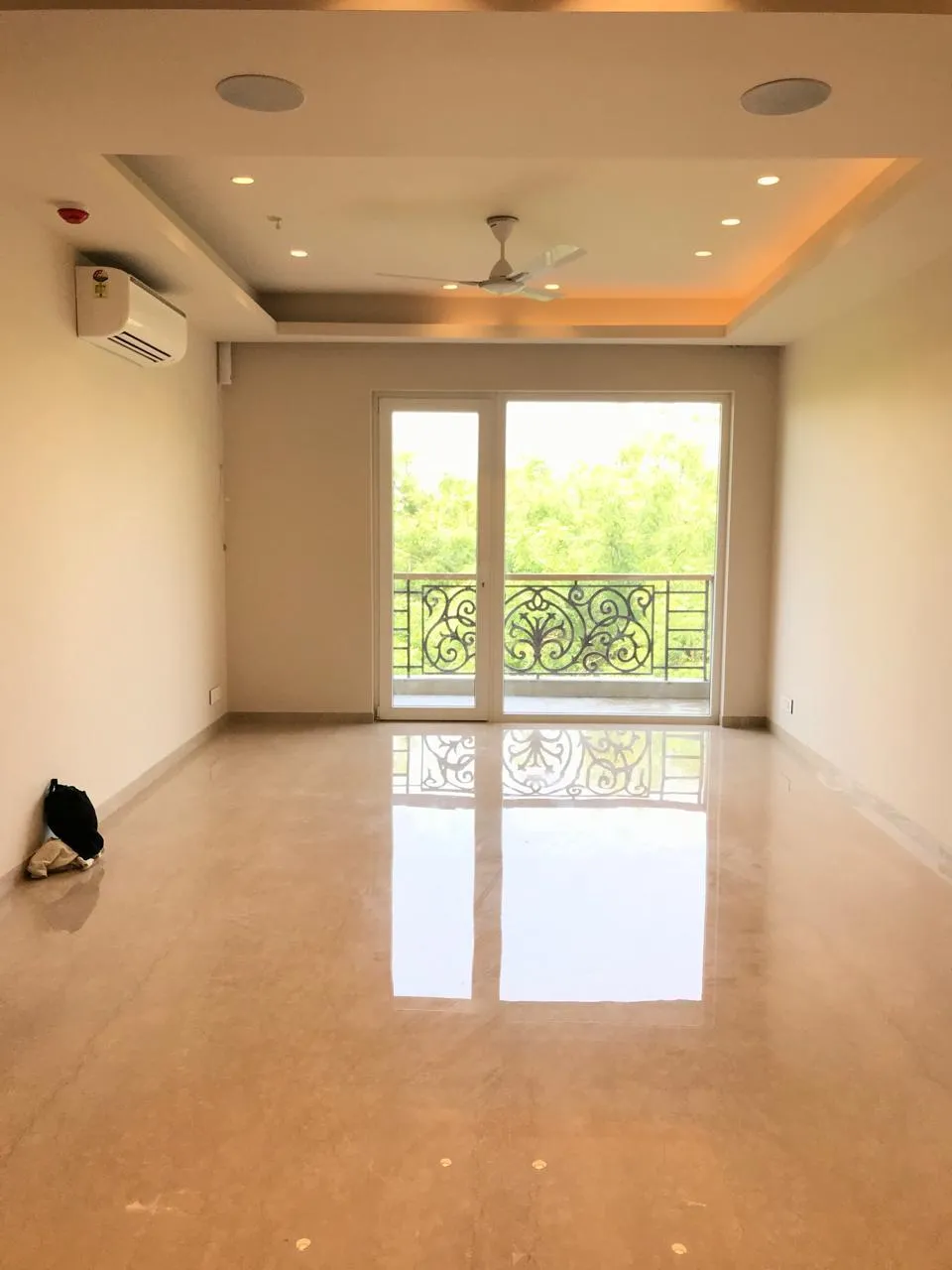
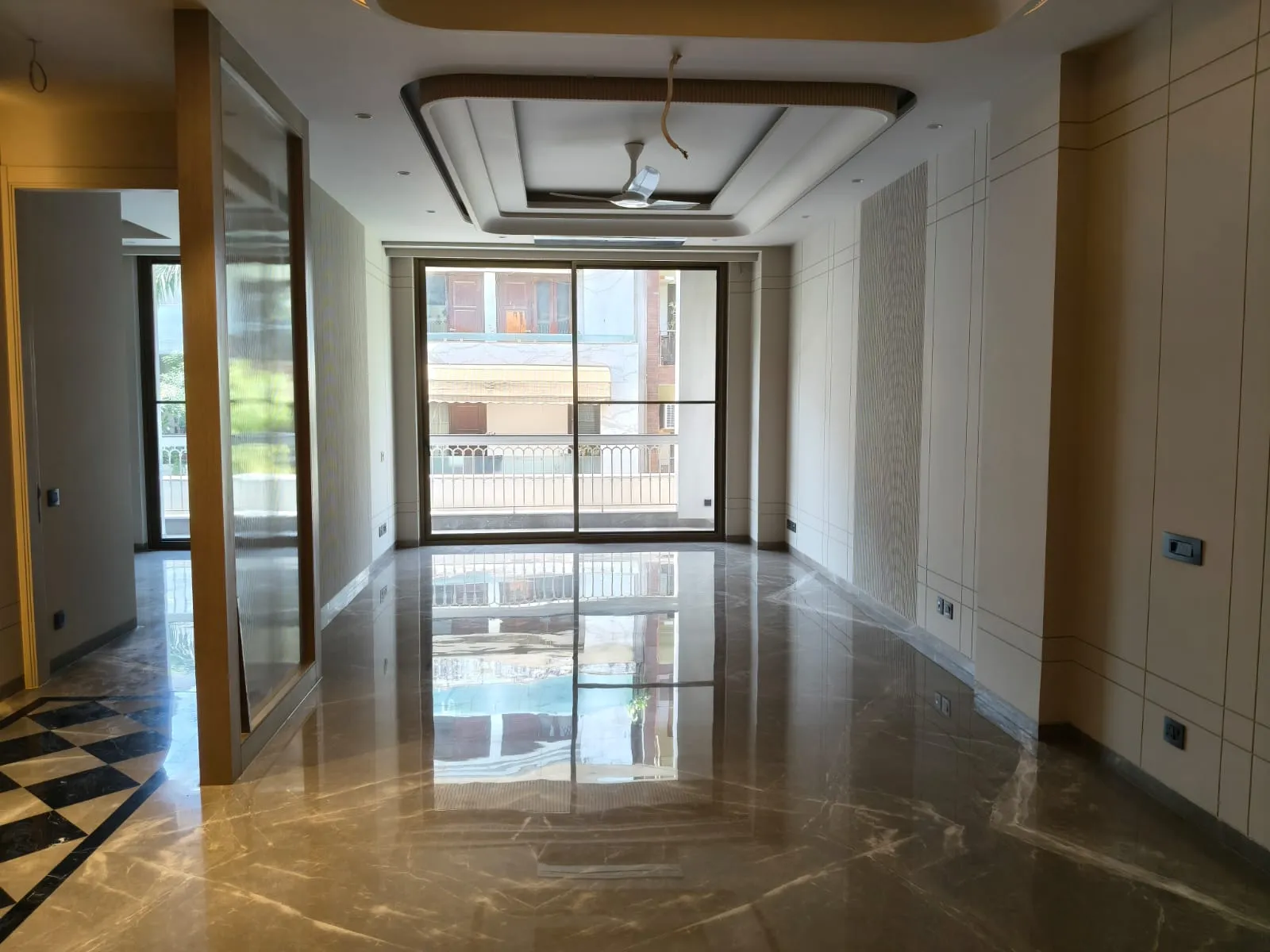
Property For Rent In Defence Colony Delhi
Property For Rent In Defence Colony Delhi: Prices, Locality And Best Options Finding the perfect property for rent in Defence Colony Delhi becomes easier when you know the locality, ren...
Read more...
Diplomatic postings come with a very specific kind of lifestyle. For diplomats and embassy staff arriving in Delhi, finding a rental home is not a casual task or a short-term arrangement. It is a decision that directly affects daily routine, security, family comfort, and overall peace of mind. Unlike regular tenants, diplomatic professionals are not only adjusting to a new city but also managing responsibilities that demand stability and discretion. In a city as large and layered as Delhi, the home they choose becomes their private retreat from an otherwise demanding public role. This is why diplomats approach renting differently. They look beyond size, interiors, or market trends and focus on how a home will support their work life and personal routine over time.
A diplomatic home in Delhi is expected to offer predictability. It should feel calm, secure, and easy to live in, without constant adjustments. That expectation shapes every decision they make during the rental search.
Diplomats and embassy staff operate under conditions that most tenants do not. Their schedules are structured, their movements are often planned, and privacy is essential. Because of this, their housing needs go beyond comfort and enter the realm of reliability.
A home that feels noisy, unstable, or unpredictable can quickly become a source of stress. Diplomatic professionals usually prefer homes that allow them to disconnect completely after work hours. The idea is simple. The home should reduce complexity, not add to it.
This is why many diplomats prefer established residential areas over newly developed zones. Familiar patterns, settled neighbourhoods, and predictable surroundings matter far more than novelty.
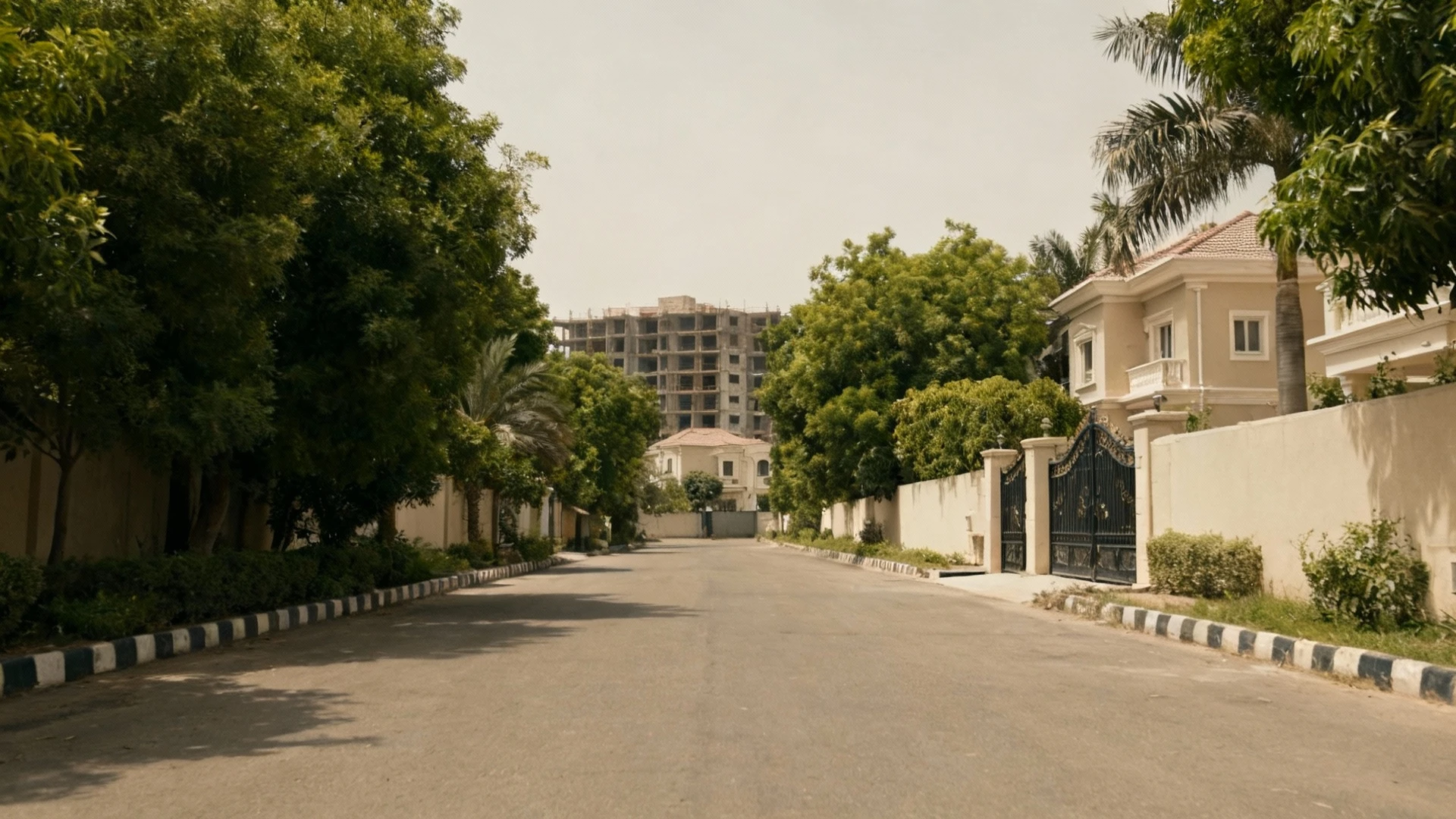
Security is usually the first filter applied during a diplomatic housing search. Gated colonies, controlled access points, and organised residential associations provide a sense of reassurance. Homes in areas with regular patrols and well-maintained infrastructure naturally rank higher.
Residential stability matters just as much as security. Diplomatic staff often avoid areas with heavy commercial activity or frequent construction. Such changes bring noise, traffic, and unpredictability. Calm residential pockets with long-term residents offer a quieter, more controlled environment.
For diplomats, the absence of disturbance is often a stronger indicator of quality than visible luxury.
While proximity to the embassy or workplace is important, it is rarely the only deciding factor. Diplomats consider how the location supports daily living. Easy access is useful, but not at the cost of living in a congested or noisy zone.
Many diplomatic professionals prefer locations that allow smooth movement without being directly inside high-traffic corridors. Areas that offer a balance between connectivity and calm are more suitable for long-term living.
Location also affects daily rhythm. Quiet streets, predictable traffic patterns, and reliable access to essential services help maintain routine. Over time, these small advantages make a noticeable difference.
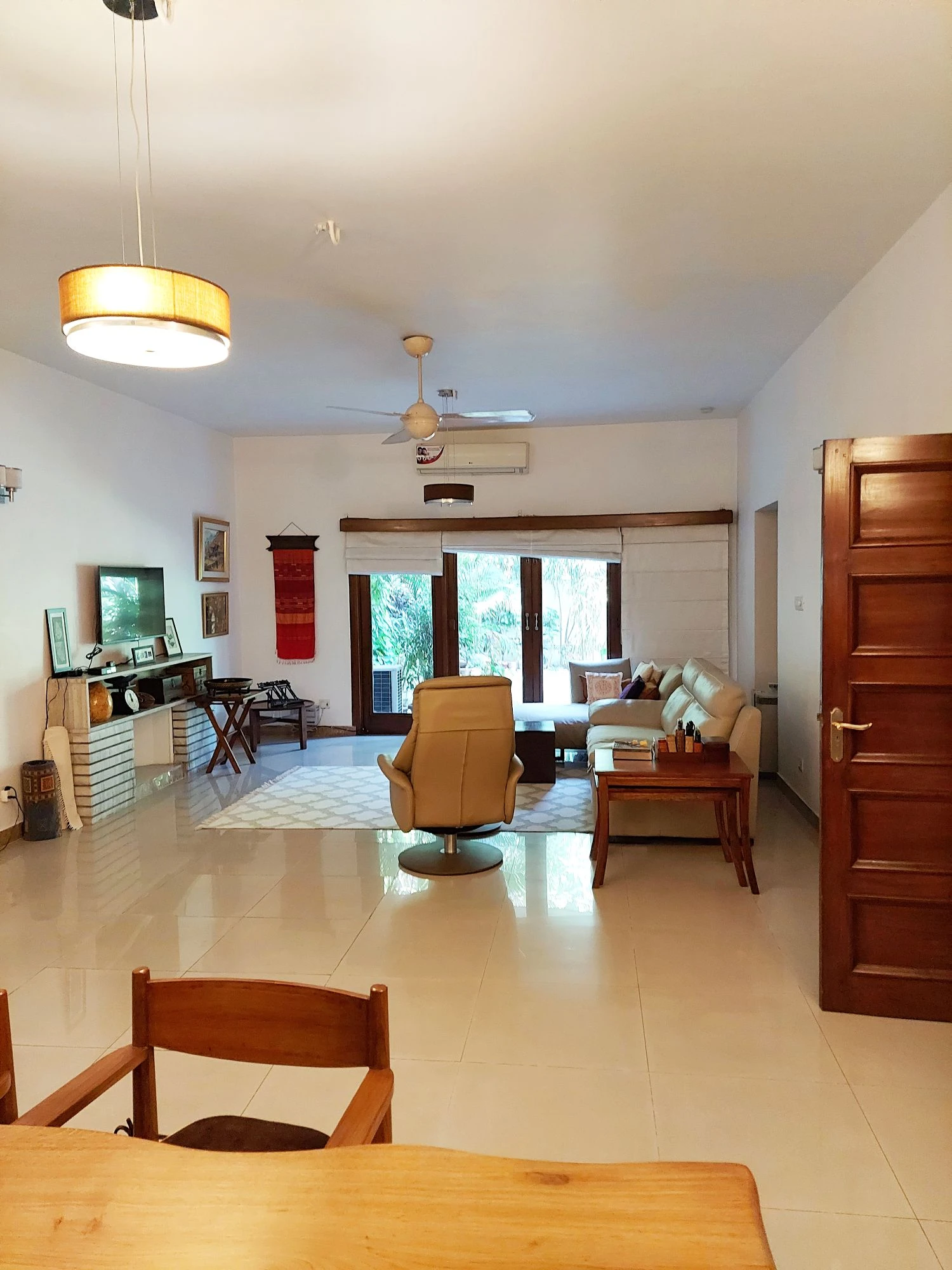
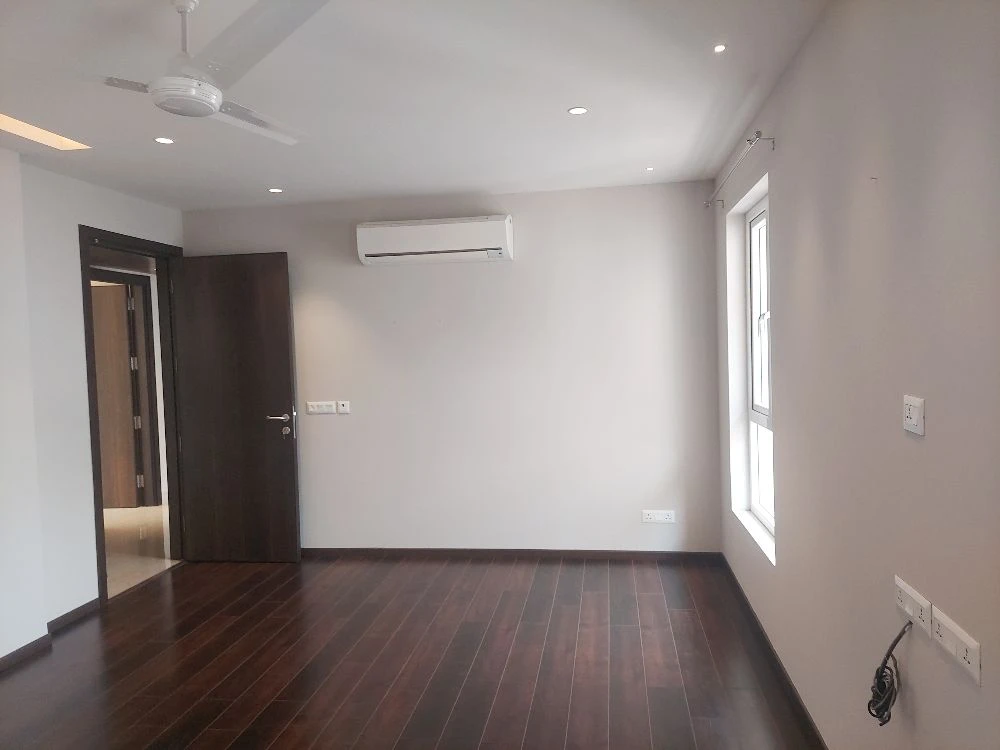
Diplomats and embassy staff tend to gravitate towards certain property types. Builder floors, independent houses, villas, and premium low-rise apartments are commonly preferred. These homes offer privacy, fewer shared spaces, and a sense of independence.
Builder floors are especially popular because they often provide one residence per floor, separate access, and limited interference from neighbours. Independent houses and villas offer even greater privacy and outdoor space, which suits senior diplomatic roles.
High-density towers are generally less preferred, as they bring shared facilities, crowding, and reduced control over the living environment.
Daily comfort plays a central role in diplomatic housing decisions. Noise levels, street activity, and neighbourhood behaviour directly affect how restful a home feels. Diplomats often prioritise quiet surroundings, especially during evenings.
Walkability is another important factor. Easy access to parks, grocery stores, and essential services allows routines to stay simple. Reliable healthcare access is also a key consideration, particularly for families.
A home that supports daily routines without constant planning or travel becomes far more valuable than one that looks impressive but feels inconvenient.
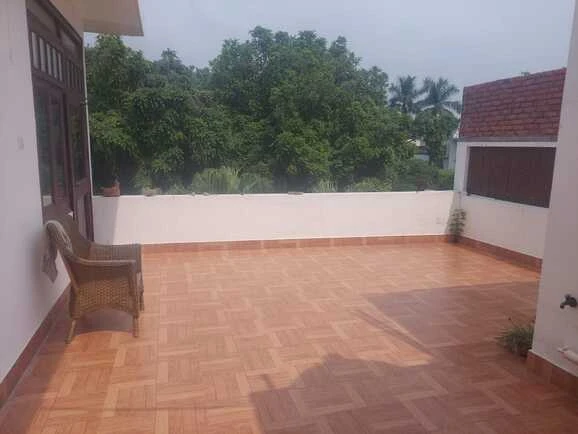
For diplomats relocating with families, lifestyle compatibility matters deeply. Access to green spaces allows children and adults alike to unwind. Parks, open areas, and calm walking routes support a balanced daily routine.
Schools and learning environments are also considered carefully. While proximity is helpful, predictability and commute ease matter more in the long run. Many diplomats choose locations that offer flexibility rather than absolute closeness.
Pet-friendly surroundings are another consideration that is often overlooked. Diplomatic families with pets prefer neighbourhoods where daily routines do not feel restrictive or stressful.
Diplomats and embassy staff usually expect clarity in rental agreements. Clear lease terms, defined maintenance responsibilities, and predictable rent structures reduce uncertainty. Ambiguity is generally avoided.
Longer lease durations are often preferred, as they offer stability and reduce frequent relocations. Transparency in documentation and professional handling are especially important in diplomatic rentals.
Many embassy professionals work with experienced relocation consultants or trusted local advisors. This ensures compliance, smoother communication, and fewer issues during the tenancy.
One common mistake diplomats consciously avoid is choosing a home based purely on visual appeal. A property may look impressive during a short visit but feel impractical during daily living.
Another avoided mistake is ignoring micro-location. The same area can offer very different living experiences depending on the street, traffic flow, and surrounding activity.
Diplomatic staff also avoid rushed decisions. They take time to understand how a home functions throughout the day before committing.
Are certain areas safer for diplomats in Delhi
Yes, established residential colonies with controlled access are generally preferred.
Do diplomats prefer furnished or semi-furnished homes
Most prefer semi-furnished homes for flexibility and personal comfort.
Is long-term leasing common for embassy staff
Yes, stability is usually preferred over short-term arrangements.
Do diplomats avoid high-rise apartments
Many do, due to privacy and density concerns.
For diplomats and embassy staff, renting a home in Delhi is a carefully considered decision rather than a quick move. The focus remains on security, privacy, and residential stability, supported by calm neighbourhoods and predictable daily routines. Location matters, but only when it balances connectivity with quiet living. Property type, layout, and noise levels often carry more weight than size or visual appeal.
Homes that support routine living, offer green surroundings, and reduce daily friction tend to work best over time. Clear lease terms, professional handling, and long-term suitability are also key expectations in diplomatic housing. By prioritising practicality over appearance and stability over trends, diplomats and embassy professionals are able to choose homes in Delhi that support both their work responsibilities and personal life with consistency and ease.
Property For Rent In Defence Colony Delhi: Prices, Locality And Best Options Finding the perfect property for rent in Defence Colony Delhi becomes easier when you know the locality, ren...
Read more...
Find A House For Rent In Defence Colony Delhi Are you looking for a house for rent in Defence Colony Delhi? We understand it's not only about deciding on a place to live, but it'...
Read more...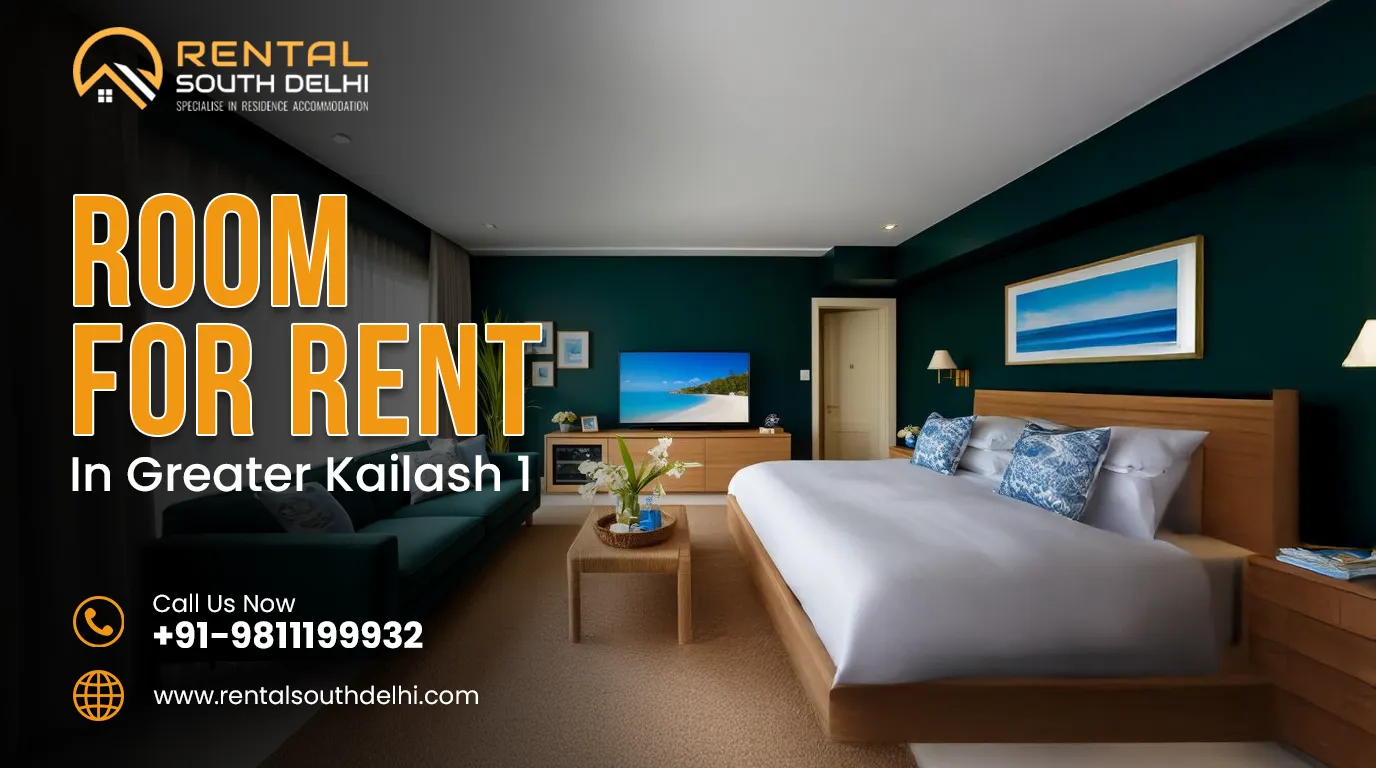
Room For Rent In Greater Kailash 1 If you've been searching for a room for rent in Greater Kailash 1 and actually finding what you want feels like it's taking forever, you'r...
Read more...Stand-Alone Apartment | Penthouse Villas | Inependent Bungalows | Un/Furnished Homes | Independent House with drive-way | Apartment with Terrace Garden